Hove Museum of Creativity
Free museum in a Victorian villa in Hove, with a toy gallery, film history of the Brighton School, craft and local history displays.
Have only individual sections read aloud
About the museum
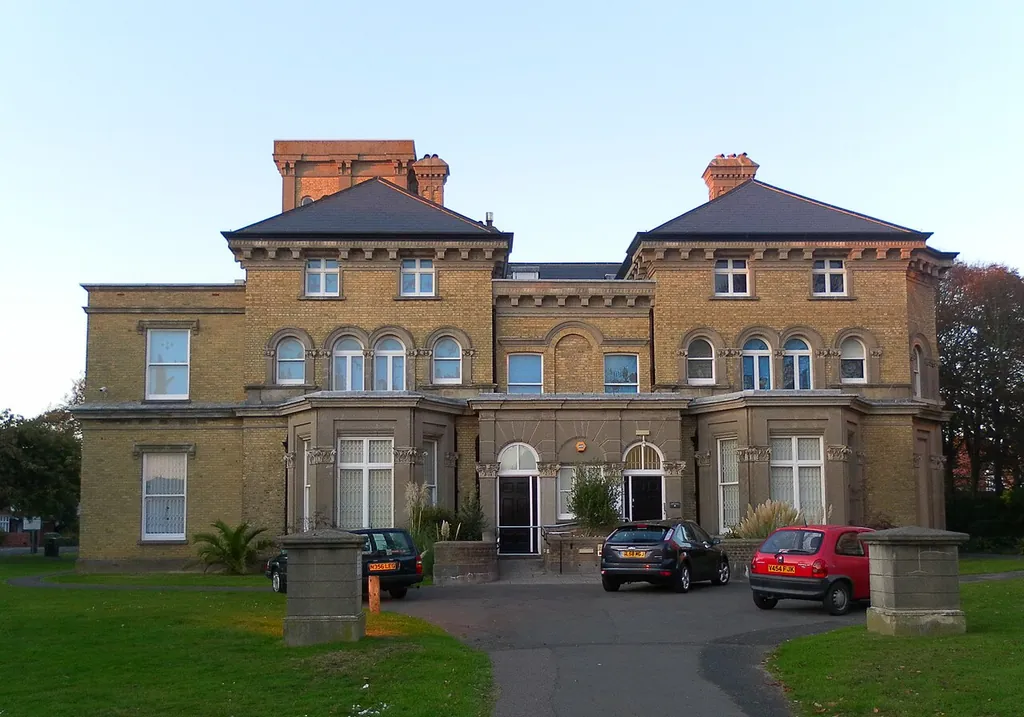
The building that houses Hove Museum of Creativity was put up in the 1870s as Brooker Hall, the home of John Olliver Vallance, a member of a prominent Hove family. He named it after his father and lived there with his wife Emma and their three children. The house was used for galas and social events, and the tradition continued after his death in 1893.
By the First World War the family had left, but the house still served the community. It was used to entertain wounded soldiers who were being treated at a nearby hospital, and by 1918 it housed German prisoners of war who worked at the local gas works. After Emma Vallance died in 1924 the empty and rather run-down hall was sold to Hove Council, and it opened as Hove Museum in 1927.
In 1926 the museum received the Jaipur Gate, which stands in the grounds. It was commissioned in 1886 for the Colonial and Indian Exhibition in South Kensington and paid for by the Maharaja of Jaipur. A major refurbishment in 2003, funded from public and private sources, included commissions by local artists and community groups, such as metal railings, gallery seating and a decorated panel in the lift.
Today the museum is one of the venues of Brighton and Hove Museums. Its displays cover toys and childhood in the Wizard's Attic, early film and the Brighton School of filmmakers, contemporary craft, fine art and the history of Hove.
Highlights
- Wizard's Attic with toys from the 18th century to today
- Film galleries on the pioneering Brighton School of filmmakers, with a mini cinema
- Jaipur Gate in the grounds, made for an 1886 exhibition
- Contemporary craft and fine art displays
- Hove history in the former Victorian family home
Permanent exhibitions
- Wizard's Attic – Toys from the 18th century to the present, including dolls, dolls' houses, model trains and a child's bedroom shown in two eras.
- Film galleries: Catch a Shadow and Pioneers – Early photography, magic lanterns and the work of the Brighton School filmmakers, with a mini cinema showing early footage.
- Jaipur Gate – A carved gate made in 1886 by Indian craftsmen for an exhibition in London and given to the museum in 1926.
- Founded
- 1927
- Operated by
- Royal Pavilion & Museums Trust
Admission & discounts
Admission is free.
Admission is free. There may be a charge for some guided tours, events and school sessions.
Accessibility
- Partially wheelchair accessible
- Elevator
- Accessible restroom
- Accessible parking
- Service dogs welcome
- Tactile models & exhibits: no information
- Sign language tours: no information
- Easy-to-read materials: no information
- Audio description: no information
The building is historic and spread over two floors. A lift serves the first-floor galleries, but the first-floor fire exit is too narrow for wheelchairs, so wheelchair access is limited to the ground floor. The entrance has three steps with handrails and a ramp in two parts. Free parking on site is for Blue Badge holders only, and there is a drop-off point at the main gate. A hearing induction loop is fitted at reception, and a braille guide, a pictogram map and large-print brochures are available. The ground floor has an accessible toilet with baby changing. Visitors with mobility scooters are asked to transfer to one of the museum's manual wheelchairs. Assistance dogs are welcome.
Kids & families
Great for kids & families
- Family tours & workshops
- Hands-on stations
The Wizard's Attic toy gallery is aimed at the whole family, and the film galleries are interactive. The museum runs family days and activities, such as storytimes and craft sessions, listed on its What's On page. Children under 13 must be accompanied by an adult; unaccompanied children aged 13 and over are welcome. Baby changing is available in the ground-floor accessible toilet.
Getting there & parking
By public transit
New Church Road bus stops
Buses from central Brighton (North Street or Churchill Square) stop on New Church Road near the entrance; the journey takes about 20 minutes. Hove station is a 20 to 25 minute walk, and the seafront is a 10 minute walk.
By car
Parking available
Free on-site parking is for Blue Badge holders only. Other visitors can use pay-and-display street parking in the adjacent streets; there is no on-street parking for coaches.
- Accessible parking
Pre-booked coach groups can be dropped off in front of the museum on New Church Road. The museum is close to National Cycle Route 2, with bike racks and a BikeShare hub nearby.
Get directionsAmenities & dining
- Café
- Museum shop
Café Rust at Hove Museum serves cakes, pastries, coffee and a family-friendly menu. The shop at the main entrance sells gifts and craft items. There is a lawned garden with level tarmac paths and benches.
Events & venue rental
- Spaces for rent
Brighton and Hove Museums offer venue hire across their sites through a central events team; enquiries go to venuehire@rpmt.org.uk.
Inquiries & detailsPlan your visit
| School programs | yes |
|---|---|
| Photography | Photography for personal, non-commercial use is welcome unless stated otherwise; flash, tripods and selfie sticks are not allowed. Professional filming and photography must be booked in advance. |
| Good to know | There may be a charge for some guided tours, events and school sessions. |