Moseley Old Hall
An Elizabethan farmhouse near Wolverhampton where Charles II hid in 1651, with period rooms, a priest hole, a knot garden and woodland play.
Have only individual sections read aloud
About the museum
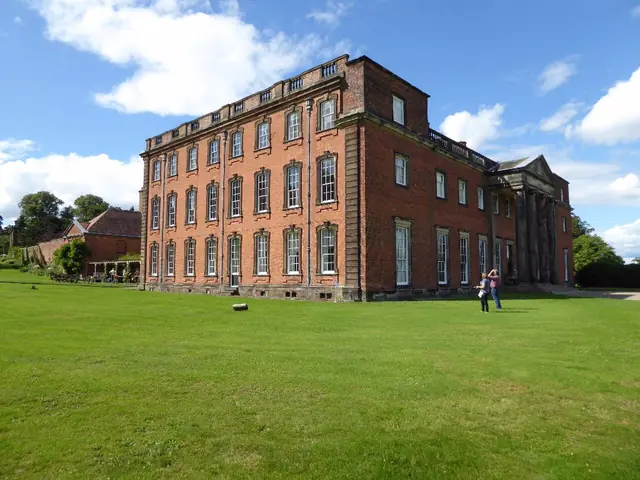
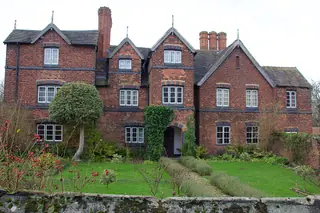
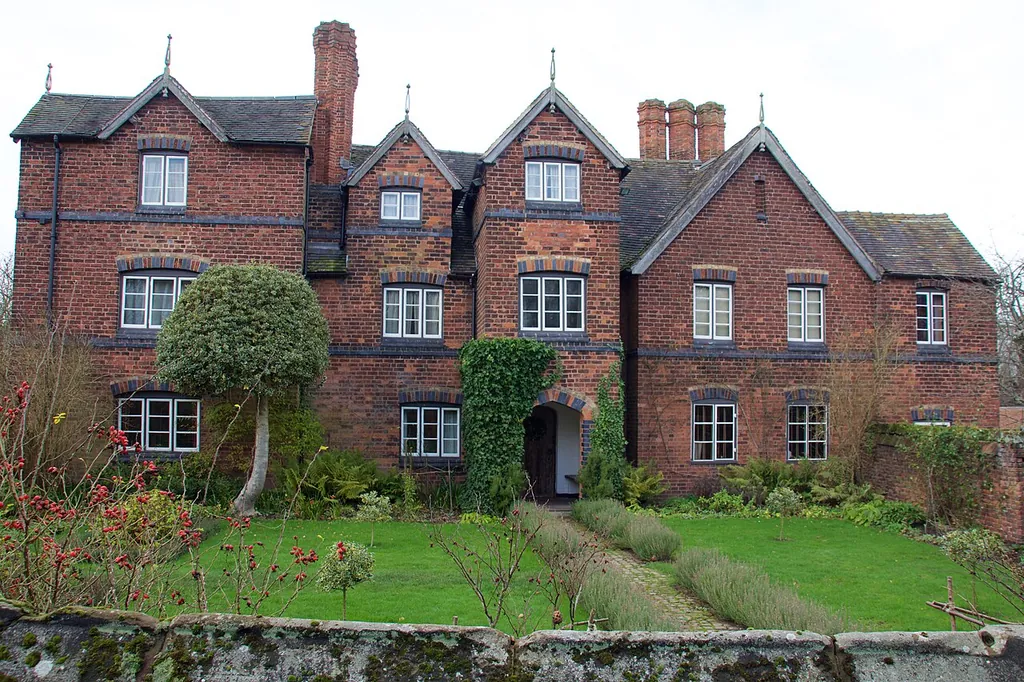
Moseley Old Hall was built around 1600 by Henry Pitt, a merchant who had bought the estate in 1583, after a fire destroyed the earlier house. After Pitt's death his daughter Alice inherited it, and she married Thomas Whitgreave. The timber-framed farmhouse, with brick chimneys, stands in the countryside north of Wolverhampton.
The house is best known for its part in the escape of Charles II. After the Royalist defeat at the Battle of Worcester in September 1651, the king fled from Cromwell's soldiers and reached Moseley at the back door in the early hours of 8 September. The Whitgreave family sheltered him for two days. He slept in the four-poster bed that is still shown, and when soldiers came to search the house he hid in a cramped space under a cupboard floor. Thomas Whitgreave later became known as the Preserver for his part in saving the king.
The hall was passed to the National Trust in 1962 and opened to the public in 1963. The Trust created the knot garden in 1962 to a seventeenth-century design, and the walled garden, orchard and woodland now surround the house. Inside, volunteers in costume describe life in the seventeenth century, and the rooms include the King's Room, the Attic Chapel and a prayer book that belonged to the priest John Huddleston, bought by the Trust in 2023.
Highlights
- The King's Room with the four-poster bed Charles II used
- The hiding place under a cupboard floor
- The Attic Chapel and 17th-century rooms with costumed interpreters
- Knot garden, heritage orchard and walled garden
- Three-storey tree hide, mud kitchen and woodland play
Permanent exhibitions
- The house that saved a King – The farmhouse where Charles II sheltered in 1651, with the door he used, the four-poster bed on which he rested and the hiding place under a cupboard floor.
- The Attic Chapel – A chapel in the roof space with a barrel-vaulted ceiling added in the late 18th century, when Catholics gained greater freedom of worship.
- Founded
- 1963
- Operated by
- National Trust
Admission & discounts
| Adults | £13 |
|---|---|
| Children & teens | £6.50free up to age 4 · Child ticket for ages 5 to 17. |
| Groups | £12.35 per personAdult price per person; the group child price is £6.18. |
| Families | £32.50Two adults and up to three children. |
| One adult and up to three children | £19.50 |
Admission is free for National Trust members and children under 5. Prices shown are standard admission; a Gift Aid ticket about 10 percent higher is offered at the admission point. Some activity sessions cost extra, for example £6 per child for a booked woodland session.
Accessibility
- Partially wheelchair accessible
- Elevator: not available
- Accessible restroom
- Accessible parking
- Service dogs welcome
- Tactile models & exhibits: no information
- Sign language tours: no information
- Easy-to-read materials: no information
- Audio description: no information
The lane to the hall is single track. Blue Badge parking is provided and a hearing loop is installed in the tea-room and visitor reception. The upper floors of the house and the tea-room, which is on the first floor of the old garden barn, are reached by stairs only; two accessible tables on the ground floor have table service. Floors in the Hall are uneven and the light is low. A drop-off point is available. Assistance dogs are allowed in the house and tea-room.
Kids & families
Great for kids & families
| Kids’ admission | free up to age 4 |
|---|---|
| Family ticket | £32.50 · Two adults and up to three children. |
- Family tours & workshops
- Hands-on stations
- Playground / play area
The grounds have a mud kitchen, den building, woodland play and a three-storey tree hide. Holiday activities include craft days, campfire sessions and marshmallow toasting, and a free digital folklore adventure for ages 7 to 12 runs until 8 November 2026. Pushchairs cannot be taken into the Hall.
Getting there & parking
By public transit
Carisbrooke Road (bus 33) · 20-min walk
Bus 33 runs hourly from Wolverhampton Bus Station towards Northwood Park (no Sunday service); get off at Carisbrooke Road and walk about 20 minutes along narrow lanes. Wolverhampton railway station is 4 miles away.
By car
Free parking
Free parking in the car park opposite the property, with Blue Badge spaces. Cycle parking is near visitor reception.
- Accessible parking
The hall is just south of the M54. From the north on the M6, leave at junction 11 and take the A460 towards Wolverhampton; from the south, take the M54 to junction 1 and the A460; from the west, leave the M54 at junction 2 and take the A449. Follow the brown signs.
Get directionsAmenities & dining
- Café
- Museum shop
- Wi-Fi
Free Wi-Fi is available in various areas around the site. The Orchard Tea-room serves hot food from noon to 3pm, with snacks, bakes and drinks all day, and a kiosk opens on busy days. The second-hand Barnyard Bookshop is in visitor reception, before the pay barrier, so it can be visited without paying admission.
Events & venue rental
The museum hasn’t published any information on this.
Plan your visit
| Audio guide | no |
|---|---|
| Good to know | Costumed interpreters and volunteers tell the story of the house in its rooms. Large bags and rucksacks are not allowed into the Hall, and pushchairs have to be left outside. Dogs are welcome in the garden, woodland and meadows, but only assistance dogs may enter the house or go upstairs in the tea-room. |