Old Bridge House Museum
Free museum in Dumfries’ oldest house, built in 1660 into the end of Devorgilla Bridge, showing rooms from everyday life in the town.
Have only individual sections read aloud
About the museum
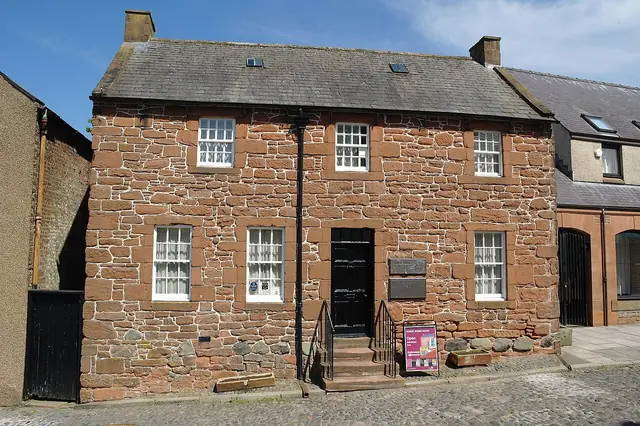
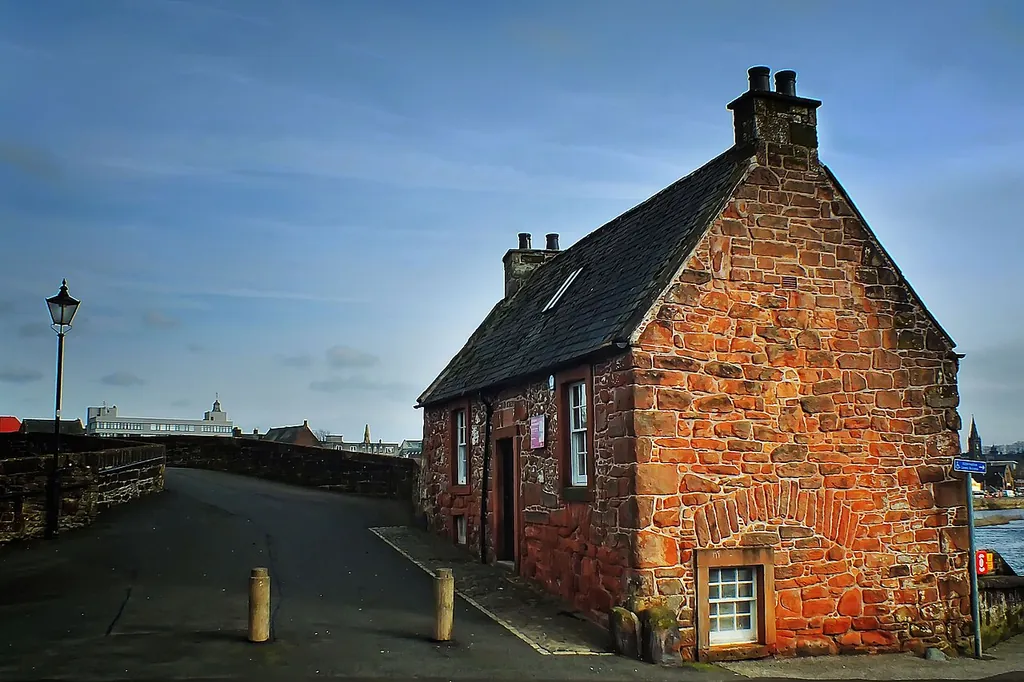
Old Bridge House was built in 1660 for a barrel maker, James Birkmyre, and is the oldest house in Dumfries. It was set into the sandstone at the western end of Devorgilla Bridge, and the town council worried at the time that its front would stick out too far over the bridge. Over the centuries it served as a cooper’s workshop, an inn, a family home and a pair of flats.
It was lived in until the 1950s. After its last resident, Granny Black, died, the curator of Dumfries Museum, Alf Truckell, turned the house into a small folk-style museum, inspired by the folk museums he had seen in Scandinavia. It is now run by Dumfries and Galloway Council as part of the local museum service.
The rooms show everyday life in Dumfries in earlier times, including a family kitchen, a Victorian nursery and bedroom, and an early dentist’s surgery. Information panels and trails also describe life beside the River Nith. Masonry, roof, chimney and window repairs were carried out in recent years without closing the museum.
Highlights
- Dumfries’ oldest house, built in 1660
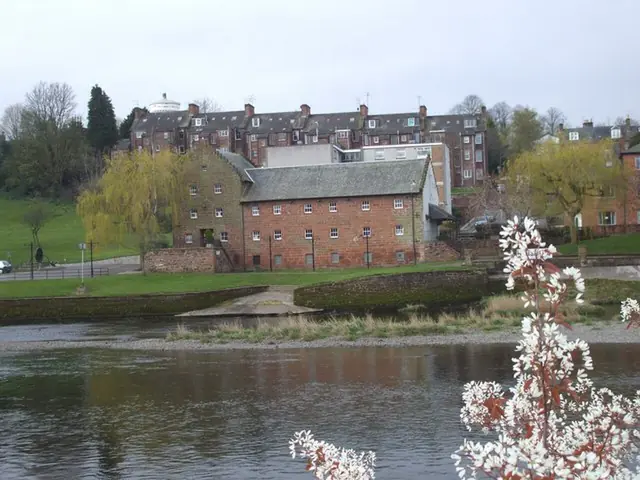
- Set into the end of medieval Devorgilla Bridge above the River Nith
- Period family kitchen
- Victorian nursery and bedroom
- Early dentist’s surgery
Permanent exhibition
- Old Bridge House – Period rooms in a house of 1660, including a family kitchen, a Victorian nursery and bedroom and an early dentist’s surgery.
- Founded
- 1959
- Operated by
- Dumfries and Galloway Council
Admission & discounts
Admission is free.
Entry is free.
Accessibility
- Partially wheelchair accessible
- Elevator: no information
- Accessible restroom: no information
- Accessible parking
- Service dogs welcome
- Tactile models & exhibits: no information
- Sign language tours: no information
- Easy-to-read materials: no information
- Audio description: no information
The upper floor, entered from the bridge side, is reached by a doorstep and four steps without a handrail; staff can help. A riverside door, reached by a slope around the house, gives level access to the three rooms on the lower floor and staff can open it on request. A staircase with a handrail links the floors. Toilets, including an accessible toilet, are in the nearby Robert Burns Centre. Only assistance dogs are allowed inside.
Kids & families
The museum has activity trails and panels about life by the river.
Getting there & parking
By car
Parking available
On-street parking on Mill Road beside the building, including one space for Blue Badge holders.
- Accessible parking
The museum is on Mill Road at the western end of Devorgilla Bridge, reached by crossing the bridge on foot.
Get directionsAmenities & dining
Public toilets are in the nearby Robert Burns Centre.
Events & venue rental
The museum hasn’t published any information on this.