Provand's Lordship
Free medieval house museum dating from 1471, the oldest house in Glasgow, with 17th-century furniture, royal portraits and the St Nicholas Garden.
Have only individual sections read aloud
About the museum
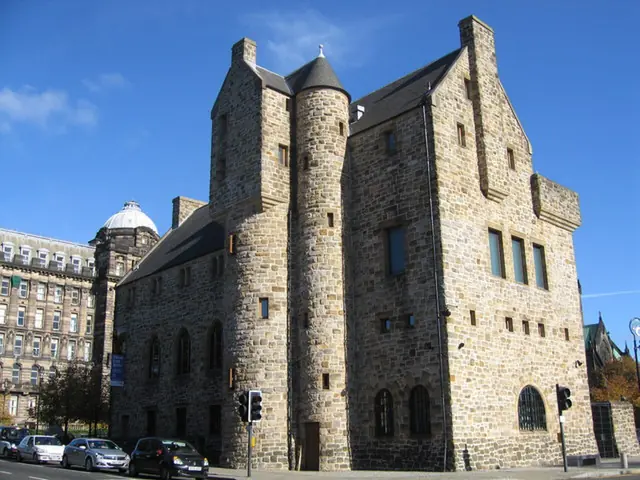
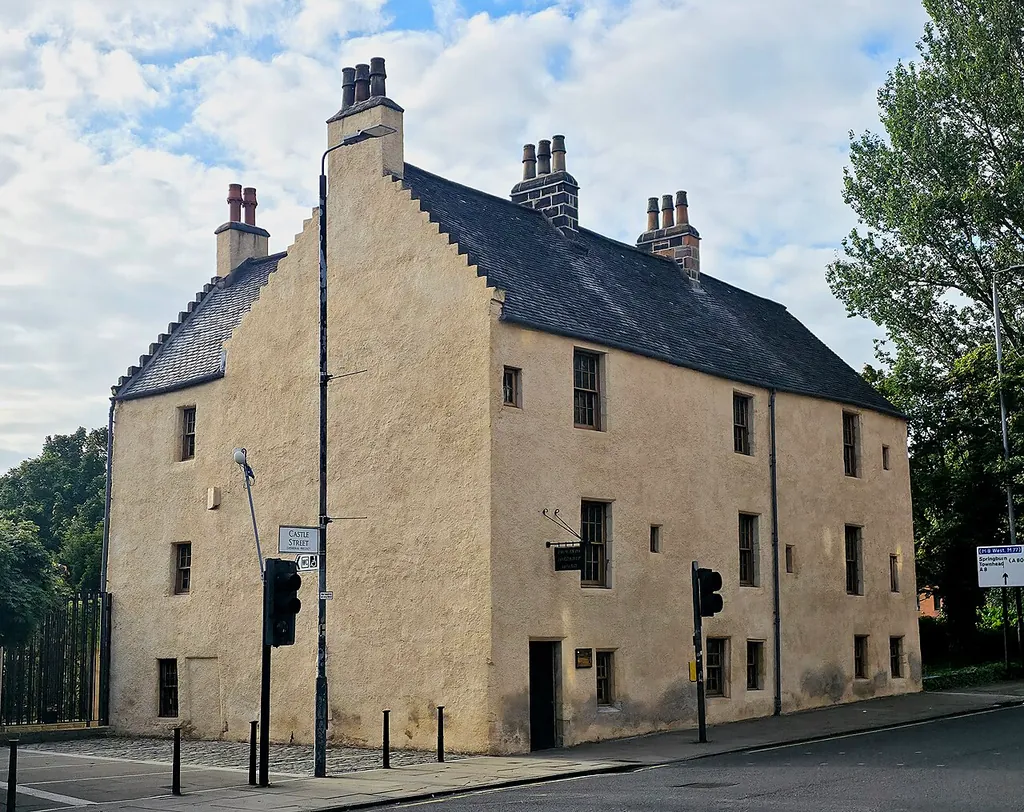
Provand's Lordship was built in 1471 by Andrew Muirhead, Bishop of Glasgow, as part of St Nicholas's Hospital next to the cathedral. It is the oldest house in Glasgow and one of only four medieval buildings in the city that survive. A western extension designed by William Bryson was finished in 1670.
Over the centuries the house served as a shop, a pub and a family home; in the nineteenth century the Morton family ran it as a sweet shop. In the late 1920s Sir William Burrell gave money and a collection of seventeenth-century Scottish furniture, and a society formed to protect the house bought it. The city council acquired it in 1978 and restored it, and it opened to the public in 1983, with a further restoration reopening it in 2000. A repair and improvement programme costing £1.6 million was completed more recently, which included a new roughcast render intended to look closer to its fifteenth-century appearance.
Today the house is furnished with a selection of seventeenth-century historic furniture and royal portraits, and its displays explain the history of the building and the surrounding area. Behind it lies St Nicholas Garden, with the curious sculptures known as the Tontine Heads. Provand's Lordship forms part of the medieval Cathedral Precinct and is run by Glasgow Life as part of Glasgow Museums.
Highlights
- Oldest house in Glasgow, built in 1471
- Rooms furnished with 17th-century Scottish furniture
- Royal portraits and Scottish portraits
- St Nicholas Garden with the Tontine Heads
- Next to Glasgow Cathedral in the medieval Cathedral Precinct
Permanent exhibitions
- Provand's Lordship house displays – The history of the building and its surroundings, shown in rooms furnished with seventeenth-century furniture and royal portraits.
- St Nicholas Garden – A small garden behind the house with the sculptures known as the Tontine Heads.
- Founded
- 1471
- Operated by
- Glasgow Life (Glasgow Museums)
Admission & discounts
Admission is free.
Entry is free; donations are welcome at the venue or online. A free digital welcome pack is available on the website.
Accessibility
- Wheelchair accessible: no information
- Elevator: no information
- Accessible restroom: no information
- Accessible parking
- Service dogs welcome
- Tactile models & exhibits: no information
- Sign language tours: no information
- Easy-to-read materials: no information
- Audio description: not available
Guide dogs and assistance dogs are welcome. The exhibits are not audio described and there is no hearing assistance system. An autism-friendly visual storyboard can be downloaded, and a British Sign Language introduction to the house is available online. Free disabled parking is provided in the Castle Street car park.
Kids & families
A baby feeding facility is listed among the venue facilities.
Getting there & parking
By car
Paid parking
Pay-and-display parking is available in the car park on Castle Street, with free parking for disabled visitors.
- Accessible parking
The house stands at the top of Castle Street, within sight of Glasgow Cathedral and next to the St Mungo Museum of Religious Life and Art.
Get directionsAmenities & dining
The museum hasn’t published any information on this.
Events & venue rental
The museum hasn’t published any information on this.
Plan your visit
| School programs | yes |
|---|---|
| Photography | Glasgow Life publishes photography, filming and sketching guidelines that apply in all of its museums. |
| Good to know | A floor plan can be downloaded before the visit. Educational and community groups can book visits through the Glasgow Museums learning team. |