Mary Queen of Scots Visitor Centre
Free museum in a 16th-century tower house in Jedburgh, with displays on the life, legend and last letter of Mary, Queen of Scots.
Have only individual sections read aloud
About the museum
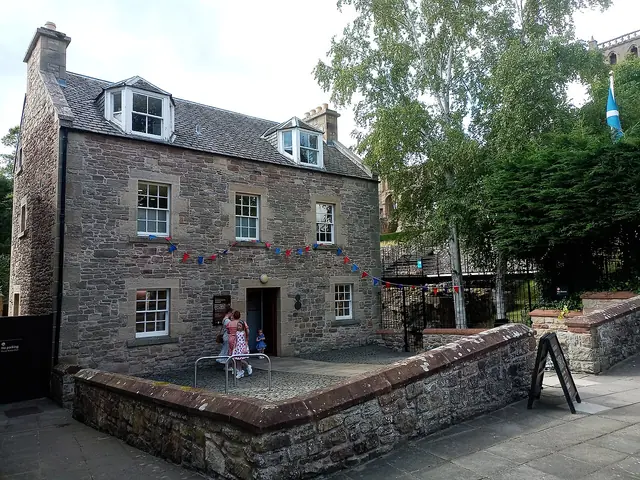
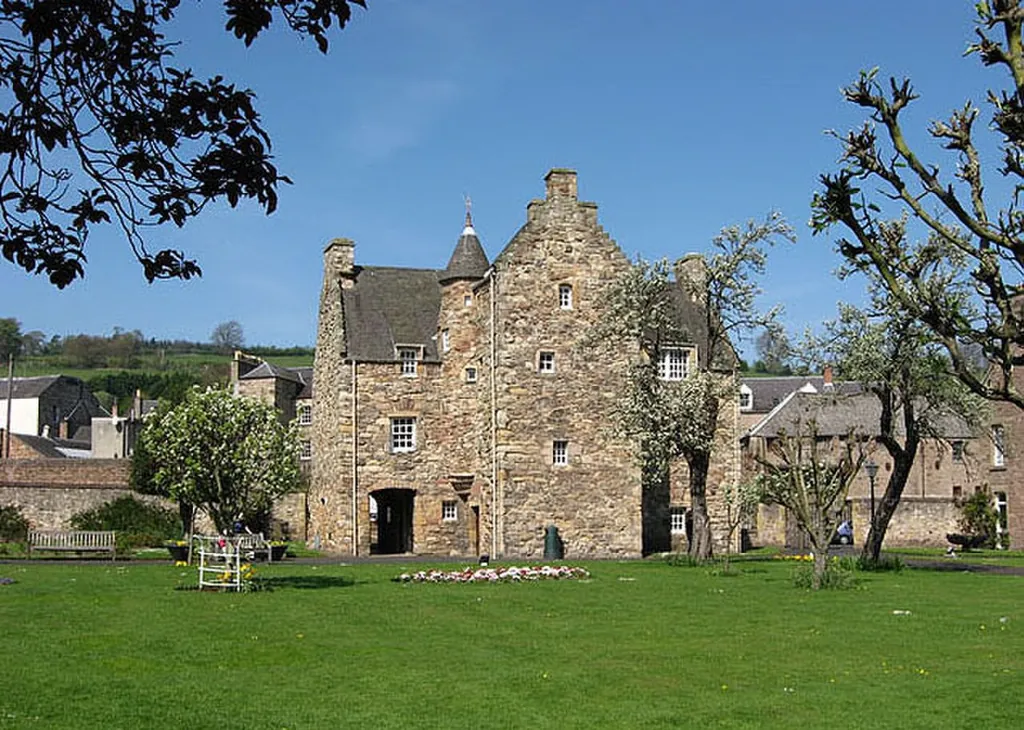
The visitor centre occupies a tower house in the centre of Jedburgh whose oldest parts date from the 16th century. Mary, Queen of Scots spent about a month in the town in 1566, a stay that is remembered as a turning point in her life. During it she rode out to Hermitage Castle to meet the Earl of Bothwell and returned gravely ill. Historians have doubted whether she actually lodged in this particular house, but the building has been linked with her story ever since.
The house was given to the town in 1928 and restored under the Edinburgh architect John Wilson Paterson. It opened to the public as a museum in 1930 and has been listed in the highest category for historic buildings since 1971. Visitors still climb its stone spiral stair, and the garden contains pear trees descended from trees once planted around Jedburgh Abbey.
Today the museum is run by Live Borders and concentrates on Mary's life and on the legend that grew up around her. Paintings, objects and textiles are displayed in rooms that include a Rogues Gallery introducing the people in her story and a Last Letter Room about her final thoughts before her execution. Because the upper floors can only be reached by stairs, a touchscreen virtual tour on the ground floor lets everyone see them.
Highlights
- Rogues Gallery introducing the people in Mary's story
- Last Letter Room on her final thoughts before her execution
- Paintings, objects and textiles linked to Mary and her legend
- Touchscreen virtual tour of the upper floors on the ground floor
- Audio tours in several languages
- Garden with pear trees descended from trees at Jedburgh Abbey
Permanent exhibition
- Mary, Queen of Scots: life and legend – Displays of paintings, objects and textiles tell the story of Mary and the legend that grew up around her, including the Rogues Gallery and the Last Letter Room.
- Founded
- 1930
- Operated by
- Live Borders
Admission & discounts
Admission is free.
Admission is free. Donations are welcome and help to keep the museum free. Online booking is offered through the Live Borders website.
Accessibility
- Partially wheelchair accessible
- Elevator: not available
- Accessible restroom: not available
- Accessible parking
- Service dogs welcome
- Tactile models & exhibits: no information
- Sign language tours: no information
- Easy-to-read materials: no information
- Audio description: no information
The ground floor is fully accessible, but the upper floors of this historic tower house are reached by stairs only. A touchscreen virtual tour on the ground floor shows the upper rooms. A hearing loop is available at the welcome desk. Guide dogs, hearing dogs and other recognised assistance dogs are welcome. There are no toilets on site. A free car park about three minutes away on Queen Street has two spaces for badge holders. Staff can discuss individual needs in advance.
Kids & families
- Activity booklet, scavenger hunt or kids’ audio guide
- Stroller-friendly
A printed children's guide is available. Pushchairs are welcome in the museum and grounds, but the upper floors are reached by stairs only.
Getting there & parking
By public transit
The centre is about a 5-minute walk from public transport. Traveline Scotland can be used to plan a journey.
By car
Free parking · 3-min walk to the entrance
Free car park about three minutes away on Queen Street, with two spaces for disabled badge holders only.
- Accessible parking
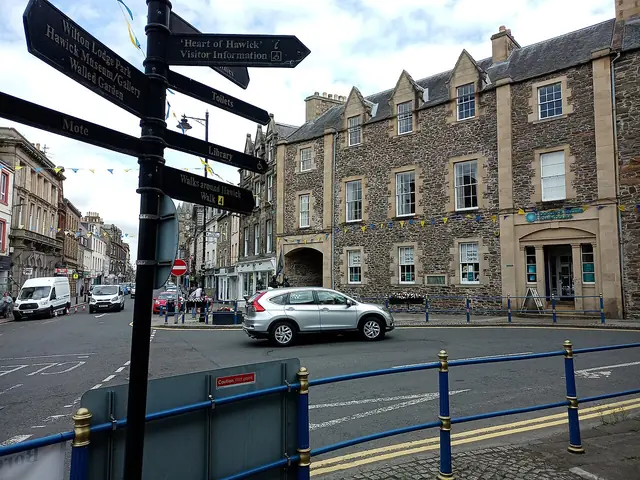
The centre is on Queen Street in the middle of Jedburgh.
Get directionsAmenities & dining
- Museum shop
There is a gift shop. There are no toilets in the building; the nearest public toilets are at the tourist information centre next to Canongate car park.
Events & venue rental
The museum hasn’t published any information on this.
Plan your visit
| Audio guide | yes |
|---|---|
| School programs | yes |
| Good to know | The displays are explored with a self-guided audio tour, which is available in several languages, and a printed guide for children is available. Schools and tour groups are welcome. |