Norris Museum
Free museum in St Ives telling the story of Huntingdonshire from 160 million years ago to today, founded on Herbert Norris’s collection.
Have only individual sections read aloud
About the museum
The Norris Museum opened in 1933 together with its library. It grew from the collection of Herbert Ellis Norris, a St Ives-born amateur historian who was born in 1859 and spent many years gathering objects that told the history of Huntingdonshire. Norris died in 1931, before the museum opened, and it carries his name.
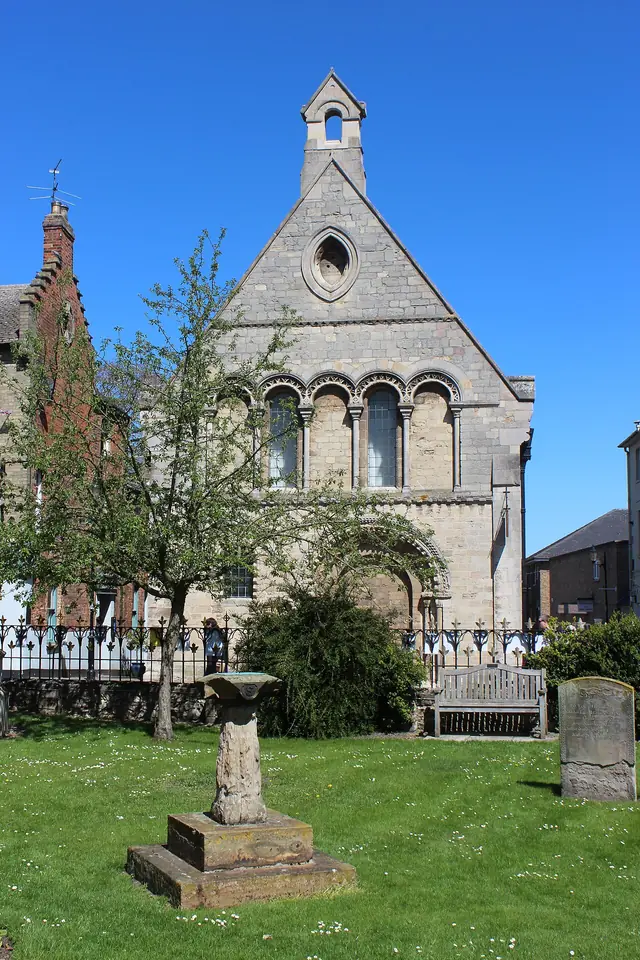
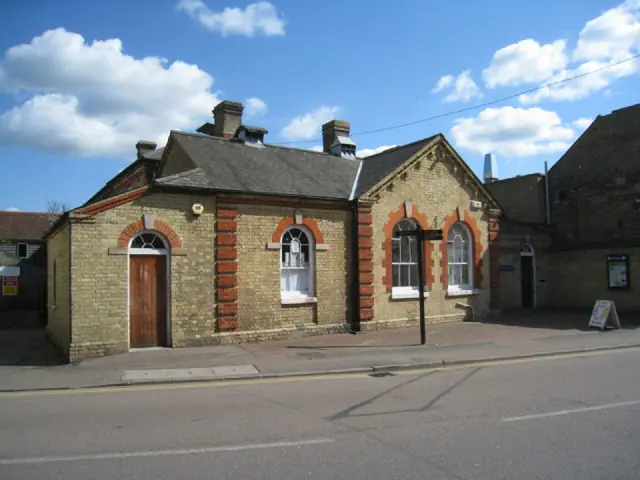
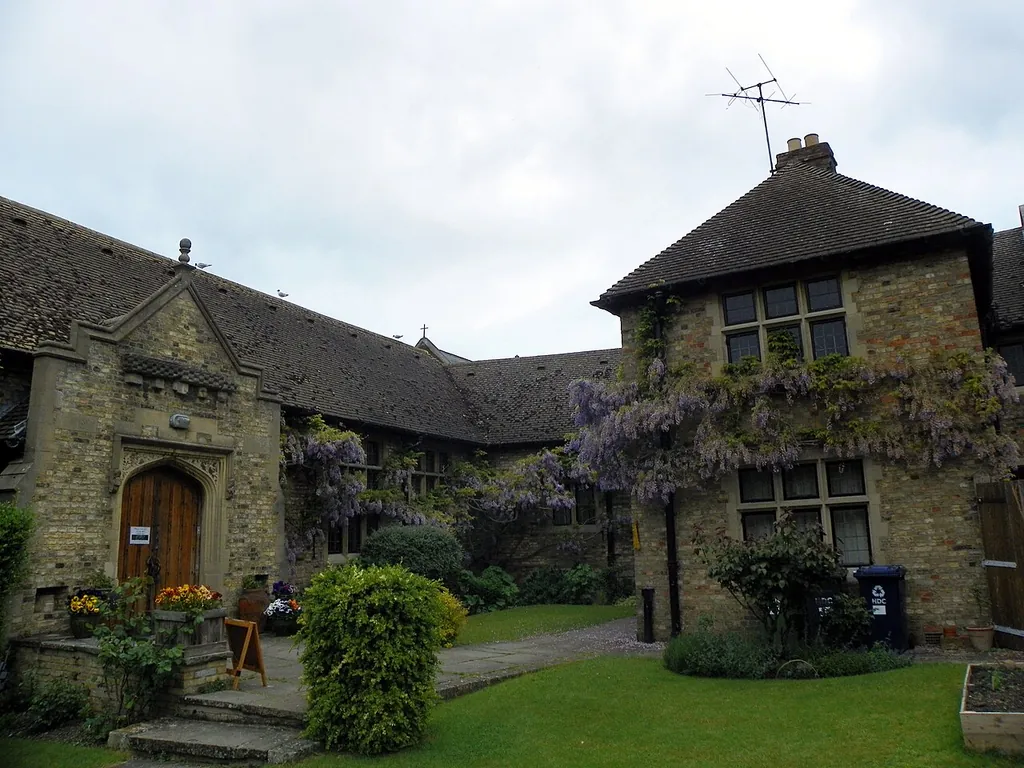
The museum stands in a riverside garden in the centre of St Ives, which the museum counts as a major asset for the town and its surroundings. Its collection has grown steadily since 1933 and still concentrates on the area of the old county of Huntingdonshire. It now holds just over 33,000 items, ranging from archaeology and local history objects to a library of books, manuscripts, newspapers, photographs and prints, and a collection of maps of Huntingdonshire.
Today the main gallery covers 160 million years of the county’s story with interactive activities and games, and includes a recreation of Herbert Norris’s study. A separate gallery shows temporary exhibitions. The museum also runs family craft days, reminiscence sessions, talks and learning programmes for schools and community groups.
Highlights
- Main gallery covering 160 million years of Huntingdonshire
- Herbert Norris’s study
- Interactive activities and games for visitors of all ages
- Curious Collectors gallery trail and free Explorer, Story and Sensory Bags
- Library and map collection of Huntingdonshire
Permanent exhibition
- Main gallery: Huntingdonshire from 160 million years ago to today – The permanent gallery follows the history of the area with interactive activities and games and includes the study of Herbert Norris.
- Founded
- 1933
Admission & discounts
Admission is free.
Entry to the museum is free.
Accessibility
- Wheelchair accessible
- Elevator: no information
- Accessible restroom
- Accessible parking: no information
- Service dogs welcome: no information
- Tactile models & exhibits
- Sign language tours: no information
- Easy-to-read materials: no information
- Audio description: no information
Entry to the museum and galleries is step free and wheelchair accessible. There are two unisex toilets, a small one and a larger accessible one. The museum offers tactile objects, supported and guided visits arranged in advance, a quiet window-seat area, a visual story guide, a sensory map and quiet openings. Explorer and Sensory Bags can be borrowed free of charge. Subtitles and transcripts are available for interactive activities.
Kids & families
Great for kids & families
- Family tours & workshops
- Activity booklet, scavenger hunt or kids’ audio guide
- Hands-on stations
- Baby changing facilities
Family craft days and workshops, a gallery trail, and free Explorer, Story and Sensory Bags. Baby changing is in the larger accessible toilet.
Getting there & parking
By public transit
East Street (Guided Busway)
Guided Busway services A and B run from Cambridge and Huntingdon to the East Street stop in St Ives. From there walk towards West Street and through the passage called St George’s Yard to The Broadway.
By car
Paid parking · 100 m to the entrance
Paid car parks: Globe/East Street (about 100 m), the Dolphin Hotel car park (about 500 m) and the Guided Busway Park and Ride (small charge, about 500 m). A few short-stay spaces are on The Waits, outside the museum.
From the A14 take the St Ives junction. Passengers can be dropped off directly outside the entrance on The Broadway.
Get directionsAmenities & dining
- Museum shop
The museum has a shop and its website lists nearby places to eat and drink.
Events & venue rental
The museum hasn’t published any information on this.
Plan your visit
| Guided tours | yes |
|---|---|
| School programs | yes |
| Good to know | School and youth groups should book at least a term ahead (learning team: learning@norrismuseum.org.uk). Guided town tours and local history talks are offered. Groups have a reserved community room; the galleries and courtyard garden are shared with other visitors. |