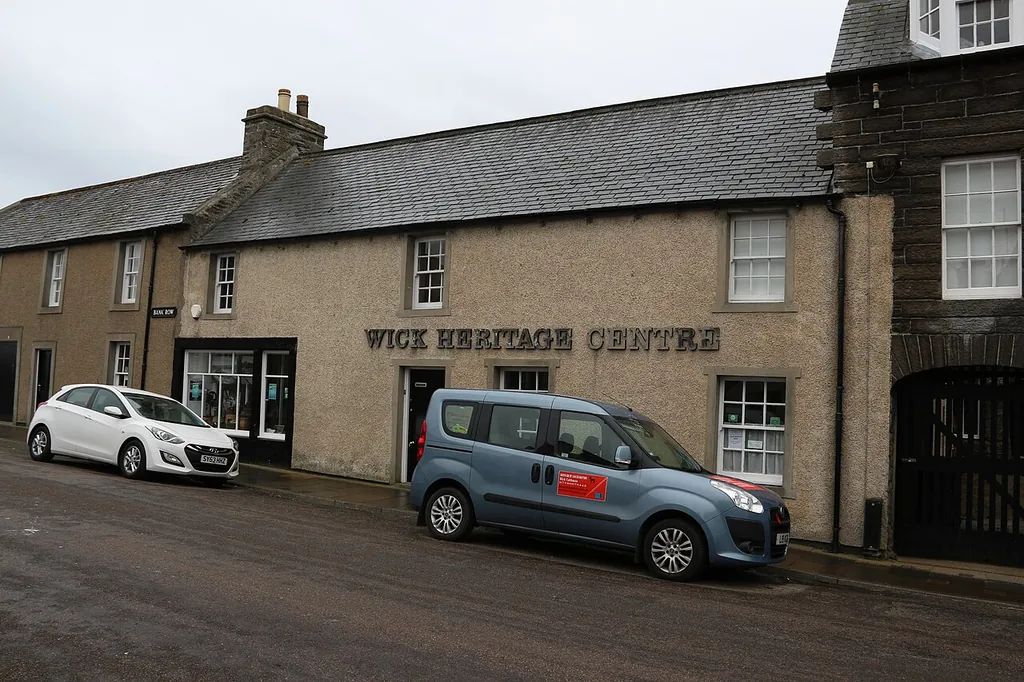
Wick Heritage Museum
Volunteer-run museum in Wick with furnished period rooms, herring-fishing displays, the Johnston photograph collection and a restored Fifie.
Have only individual sections read aloud
About the museum
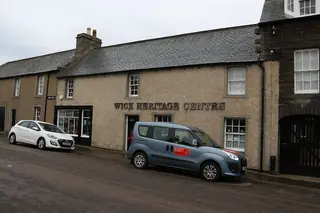
The Wick Society was formed in 1971 as a pressure group, after old buildings in the town were demolished and people began to worry that local heritage was being lost. Wick Heritage Museum opened in 1981 and tells the story of Wick, the planned fishing town of Pulteneytown and the herring industry. The society is a registered charity without public funding and is run entirely by volunteers.
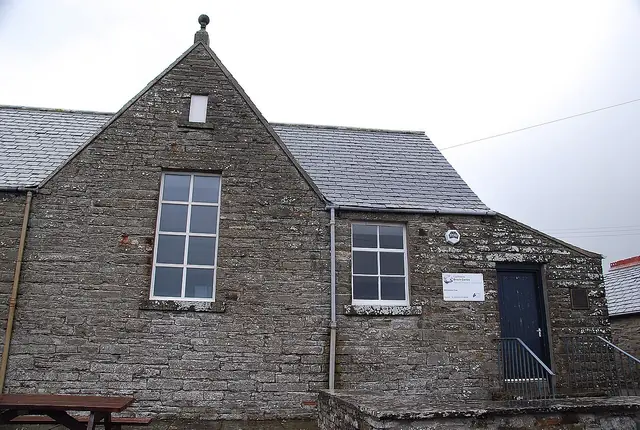
The museum is made up of a series of displays in the buildings on Bank Row. Furnished household rooms show daily life in the past, including a box bedroom, a parlour, a kitchen and a smiddy, and there are displays on civic life, the town's newspaper print room, local radio history, Caithness Glass and the school room. Large sections cover the fishing trades: the fishing hall, a cooperage where barrels were made for the herring export, and a kippering kiln that was last used in 1949.
The society also looks after the Johnston Collection, photographs taken by three generations of a local family between 1863 and about 1975, and Wick Voices, an oral history project begun in 2016. Its boat team maintains the Isabella Fortuna, a Fifie fishing boat built in Arbroath in 1890 and owned by the society since 1997, and the Diligent, a Stroma yawl. The museum is closed from November to April, when volunteers carry out repairs and cataloguing.
Highlights
- Fully furnished household rooms, including a box bedroom, parlour and kitchen
- Herring-fishing displays with a cooperage and a kippering kiln
- Johnston Collection of local photographs from 1863 to about 1975
- Noss Head lighthouse lamp and lens
- Restored Fifie fishing boat Isabella Fortuna, launched in 1890
Permanent exhibitions
- Household rooms – Furnished rooms show life in Wick in earlier times, from a croft-style box bedroom to a parlour with a clock made in the town, a 1920s kitchen and a blacksmith's smiddy.
- Herring industry – The fishing hall, cooperage and kippering kiln show how herring was caught, packed and smoked when Wick harbour was one of the busiest in Britain.
- Johnston Studio and Gallery – Photographs by three generations of the Johnston family, who took around 100,000 pictures of Caithness life.
- Founded
- 1981
- Operated by
- Wick Society
Admission & discounts
| Adults | £7.50 |
|---|---|
| Children & teens | £1Children £1; the age range is not stated. |
Admission is charged because the society receives no public funding.
Accessibility
- Wheelchair accessible
- Elevator: no information
- Accessible restroom: no information
- Accessible parking: no information
- Service dogs welcome: no information
- Tactile models & exhibits: no information
- Sign language tours: no information
- Easy-to-read materials: no information
- Audio description: no information
The ground floor is step-free and a stairlift serves the first floor, according to the Doors Open Days listing. This is not confirmed on the museum website, so contact the museum about specific needs.
Kids & families
The museum website does not describe children's activities; children pay a reduced admission price.
Getting there & parking
The museum is on Bank Row in Wick. The Isabella Fortuna is normally berthed in Wick Harbour and kept in the old Lifeboat Shed on Wick Bay in winter, and the Diligent can be seen in the harbour in summer.
Get directionsAmenities & dining
The museum hasn’t published any information on this.
Events & venue rental
The museum hasn’t published any information on this.
Plan your visit
| Good to know | The society has links with local schools and community groups; contact the museum for group visits. Volunteers guide visitors and explain the displays. |
|---|