Gatz Museoa (Museo de la Sal de Léniz)
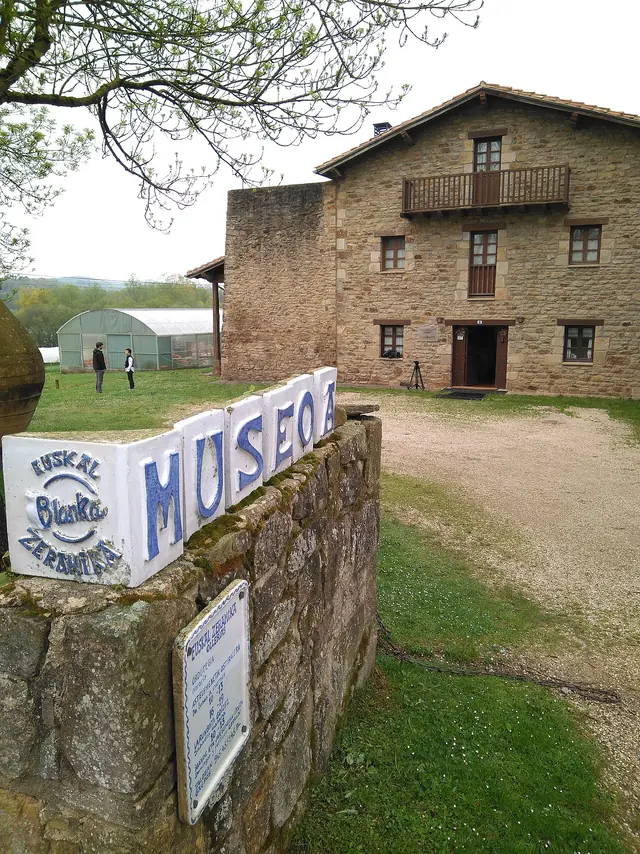
Museum in the former salt works of Leintz Gatzaga, with the dorlas, a reproduction of the bucket wheel and guided visits.
Alleen afzonderlijke secties laten voorlezen
Over het museum
Leintz Gatzaga, in the south-west of Gipuzkoa on the border with Álava, owes its name and origin to salt. Remains found by the salt spring, including an Iberian coin, Roman pottery and salt crystals, show that it was already being exploited in the Iron Age. As the cold, damp climate prevented water from evaporating in the sun, salt was obtained by heating the brine over wood fires.
A 16th-century document describes a well that collected the salt water and eight small huts, called dorlas, each with an iron cauldron. Production took place only from July to December, because the rains of the rest of the year diluted the brine, and the neighbourhood that grew up around the dorlas is today called Dorla. In 1834 floods destroyed the salt works and ended manual production; the company Productos Léniz rebuilt and expanded them with a hydraulic system that raised the brine from a well about seven metres deep by means of a bucket wheel. Production continued until the salt works closed in 1972, due to competition from sea salt.
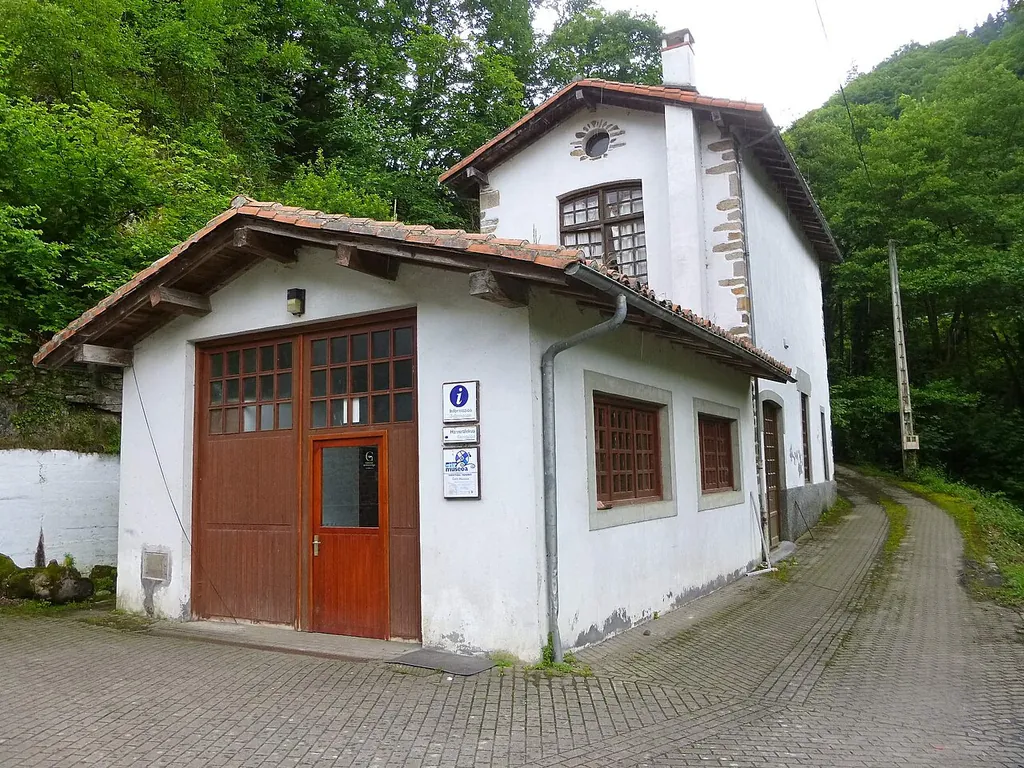
The museum occupies the restored installations, about 250 metres from the town centre, and shows the evolution of salt extraction from the Iron Age: wooden buckets, channels leading to the eight dorlas, metal cauldrons and a reproduction of the wooden bucket wheel. The role of women, who did much of the work, is highlighted. Today Sal de Dorleta is produced again, obtained by slowly heating the brine with wood from local forests and collecting the crystals by hand.
Hoogtepunten
- Former salt works with the eight dorlas and their cauldrons
- Reproduction of the wooden bucket wheel
- Tour of the history of salt from the Iron Age to 1972
- Demonstration of how salt water becomes salt
- Sal de Dorleta, made today by the traditional method
Vaste collectie
- Museo de la Sal – Tour of the evolution of salt extraction from the Iron Age to 1972, with buckets, channels, cauldrons and the reproduction of the bucket wheel.
Toegangsprijzen & kortingen
| Volwassenen | € 5,50 |
|---|---|
| Kinderen & jongeren | € 3gratis t/m 6 jaar · Children aged 7 to 12; free up to age 6. |
| Groepen (vanaf 11 pers.) | € 4,50 p.p.Groups of more than 10 people: €4.50 per person. |
Guided visit rates according to tourism portals (2025 data); the museum’s website does not publish prices.
Toegankelijkheid
Het museum heeft hierover geen informatie gepubliceerd.
Kinderen & gezin
| Bezoekduur | ca. 60 min. |
|---|---|
| Toegang kinderen | gratis t/m 6 jaar |
The museum takes part in the Euskadi family tourism programme (Turismo Familiar Euskadi).
Bereikbaarheid & parkeren
Met de auto
Gratis parkeren · 250 m naar de ingang
It is not possible to park next to the museum; there is a free car park in the town centre, about 250 metres away.
The museum is about 250 metres from the town centre, on the road to the Dorleta sanctuary.
Route plannenService & horeca
- Museumwinkel
Shop selling Sal de Dorleta and products made with it, such as soaps and sweets.
Evenementen & zaalverhuur
Het museum heeft hierover geen informatie gepubliceerd.
Je bezoek plannen
| Rondleidingen | ja |
|---|---|
| Aanbod voor scholen | ja |
| Goed om te weten | The visit is guided and must be booked through the museum’s website (reservas@gatzmuseoa.com or +34 943 714 792); groups of more than 10 people use a separate form and wait for confirmation. The museum has four rooms. School programme with the activities “Visitar Dorleta” (1 hour) and “Visitar Leintz Gatzaga” (30 minutes). |