Casa Natal de Jovellanos
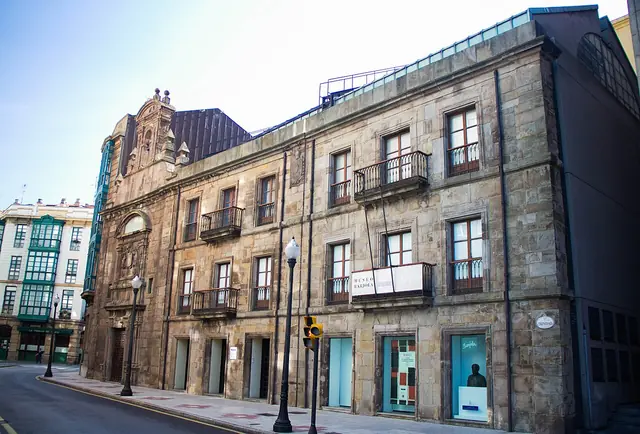
Palace-house in Gijón where Jovellanos was born, now a museum of Asturian and European art and of the municipal art collection.
Få kun enkelte afsnit læst op
Om museet
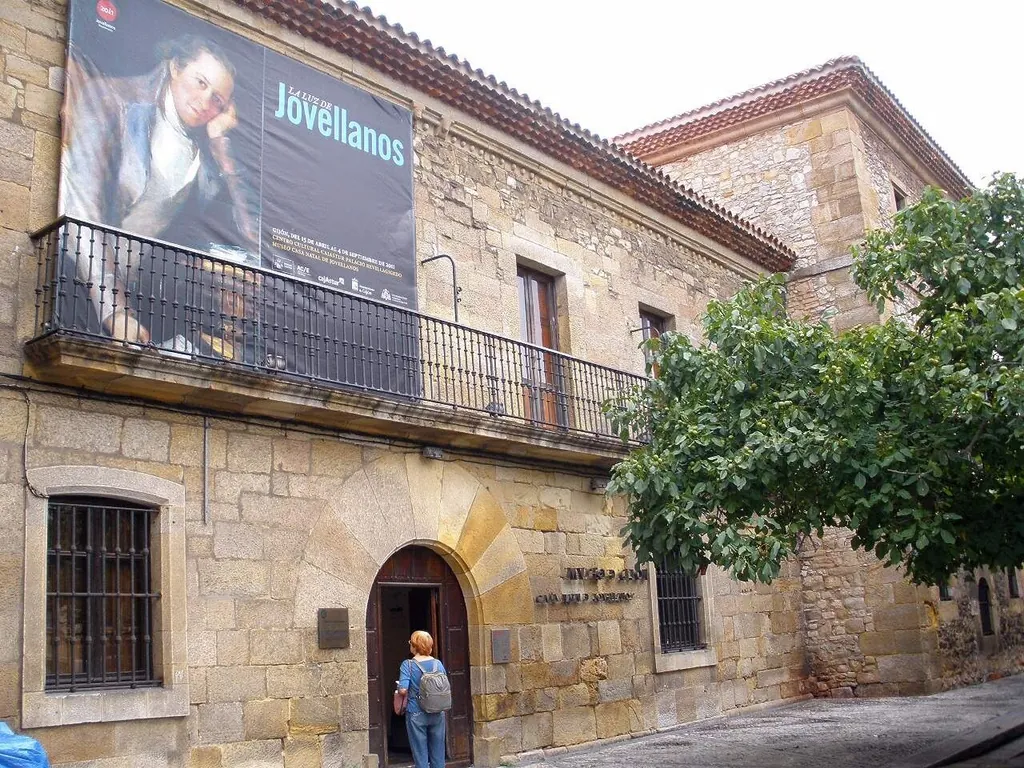
The museum opened in 1971 in one of Gijón's most emblematic buildings: the late 16th-century palace-house in which the Enlightenment figure Gaspar Melchor de Jovellanos (Gijón, 1744), writer, philosopher, jurist and politician, was born and lived. It is a fine example of an Asturian manor house from the 16th to the 18th centuries, with two square towers joined by a central body and an inner courtyard from which the rooms are reached.
Its mission is twofold: to study and promote the figure and work of Jovellanos, and to conserve the municipal artistic heritage. The origin of the collection lies in the drawings and sketches assembled by Jovellanos himself, which were destroyed during an episode of the Civil War. Since then, works by the artists represented in the museum have been added, thanks mainly to donations and bequests from collectors and local artists.
The collection exceeds 3,000 works across painting, sculpture, drawing, prints, illustration and photography, as well as applied arts from the Gijón glassworks La Industria and the earthenware factory La Asturiana. The permanent exhibition covers Asturian art of the 19th and 20th centuries and presents European schools of the 17th and 18th centuries; two rooms are devoted to Jovellanos, with furniture and personal objects. The Antonio Martín Documentation Centre holds more than 74,000 references on Jovellanos and art history.
Højdepunkter
- 16th-century palace-house where Jovellanos was born
- Two rooms with furniture, personal objects and pieces from the Jovellanos collection
- Asturian art of the 19th and 20th centuries, including the Retablo del Mar by Sebastián Miranda
- European painting of the 17th and 18th centuries
- Glass and earthenware from the Gijón factories La Industria and La Asturiana
- Free admission
Permanente udstillinger
- Colección permanente de arte asturiano y europeo – Tour of Asturian art of the 19th and 20th centuries and of the main European artistic schools of the 17th and 18th centuries.
- Salas de Jovellanos – Two rooms with furniture and personal objects of Jovellanos and some pieces from his art collection.
- Grundlagt
- 1971
- Ejer
- Ayuntamiento de Gijón (Fundación Municipal de Cultura, Educación y Universidad Popular)
Entrépriser & rabatter
Der er gratis entré.
Free admission.
Tilgængelighed
- Kørestolsvenlig: ingen oplysninger
- Elevator: ingen oplysninger
- Handicaptoilet: ingen oplysninger
- Handicapparkering: ingen oplysninger
- Servicehunde tilladt
- Taktile tilbud: ingen oplysninger
- Rundvisninger på tegnsprog
- Letlæste tilbud: ingen oplysninger
- Synstolkning
Only guide dogs are admitted. As part of the Museos + Sociales plan, visits with audio description and with Spanish Sign Language interpretation are scheduled. No information on wheelchair access has been published, so it is advisable to check with the museum.
Børn og familie
Velegnet til børn og familier
- Familieomvisninger & workshops
The Museos de Bellas Artes de Gijón run children's and family workshops, guided tours and educational programmes for schools.
Transport & parkering
Med offentlig transport
Plaza del Carmen
EMTUSA urban buses: line 4; nearby stops are Plaza del Carmen and Instituto.
The museum is in the Cimadevilla district, on the Plaza de Jovellanos.
Planlæg ruteService & spisesteder
Museet har ikke offentliggjort oplysninger om dette.
Arrangementer & udlejning
Museet har ikke offentliggjort oplysninger om dette.
Planlæg dit besøg
| Rundvisninger | ja |
|---|---|
| Audioguide | ja (ES, EN) |
| Tilbud til skoler | ja |
| Fotografering | Photography and video recording without flash or tripod are allowed, for personal and non-commercial use only. |
| Godt at vide | An audio guide in Spanish and English is available, collected at the reception desk for a fee. Umbrellas, briefcases, backpacks and bags larger than 40 cm are not allowed inside. Only cash payment is accepted. Guided tours, itineraries and workshops are organised. |