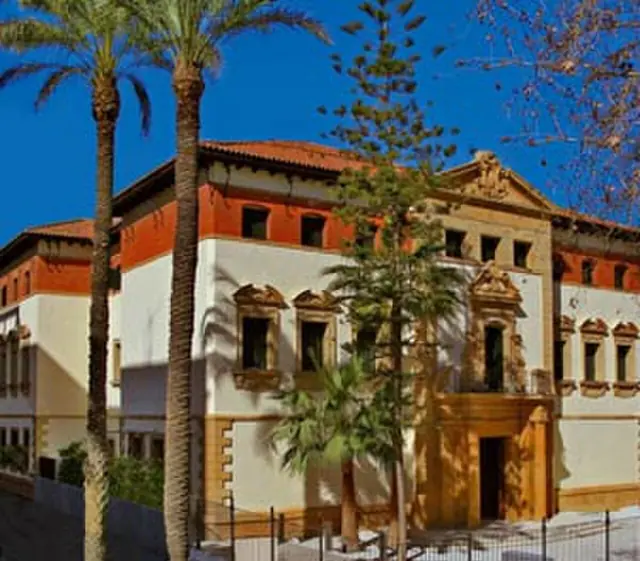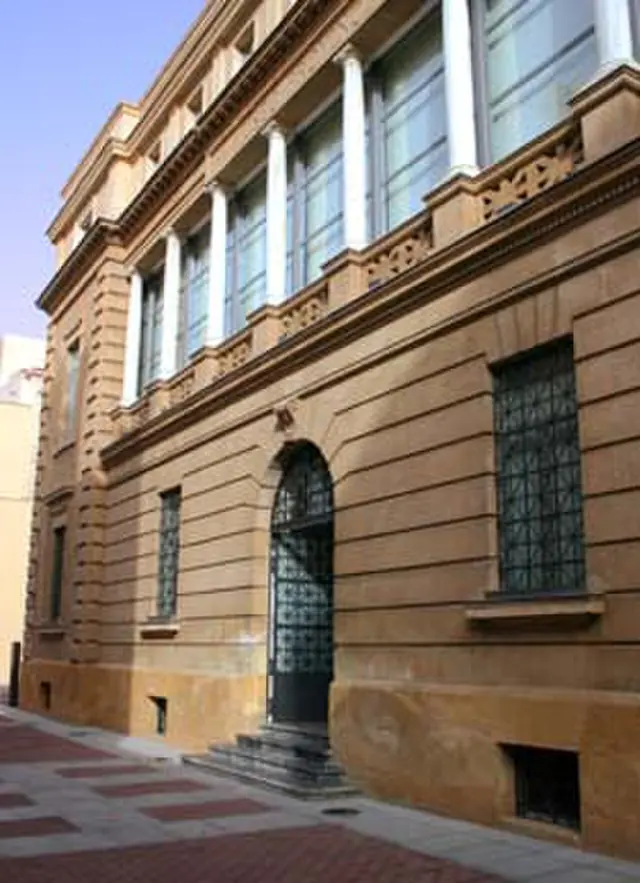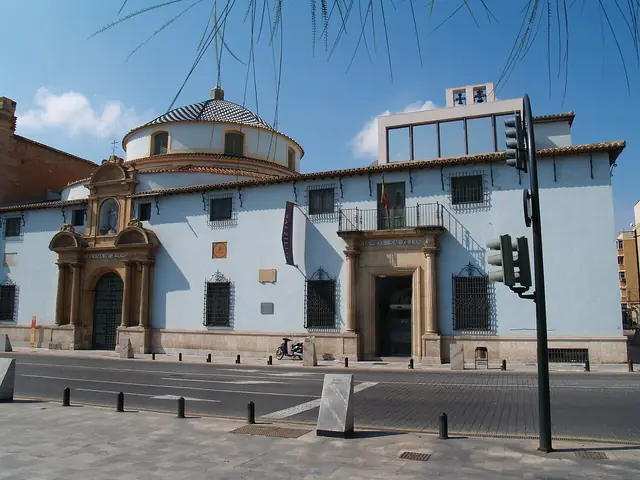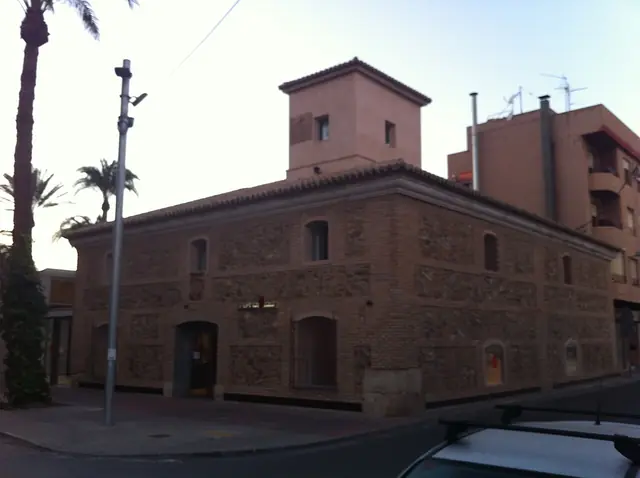
Museo de Santa Clara
Museum in the Poor Clares' monastery in Murcia, built over the Andalusian alcázar of Ibn Hud, with Islamic art and sacred art.
Få kun enkelte afsnit læst op
Om museet
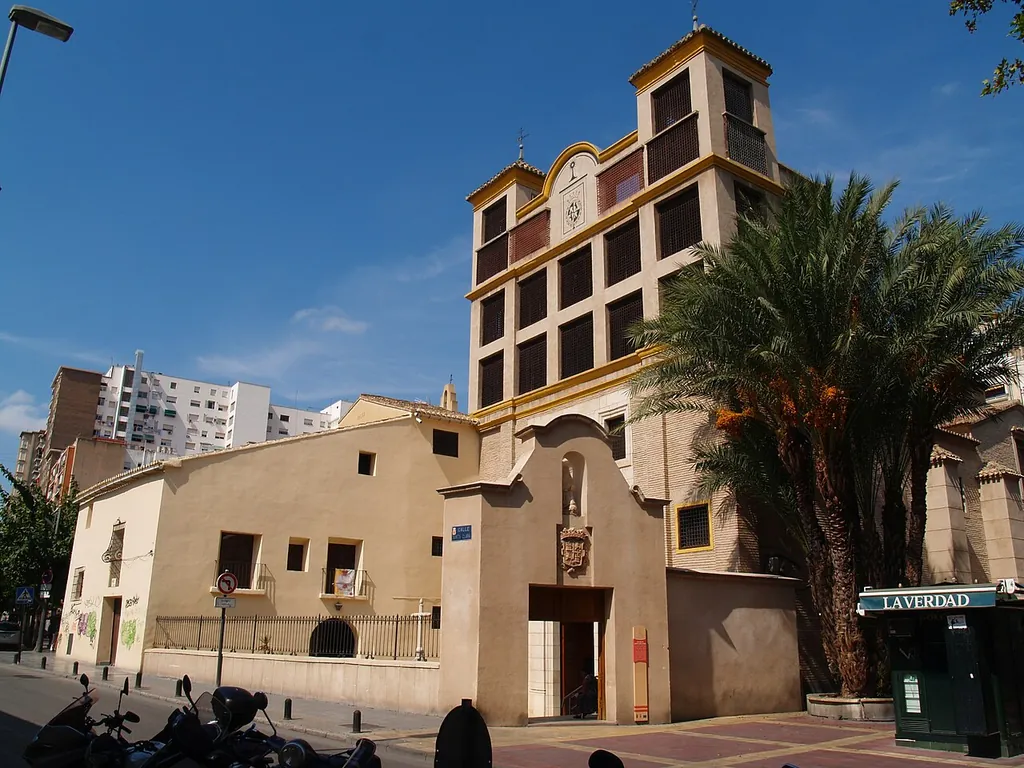
The monastery of Santa Clara la Real stands on an Andalusian pleasure palace outside the medina, which was remodelled in the 12th century and abandoned after the Almohad conquest. Between 1228 and 1238 Ibn Hud built the Alcázar Menor over it, a building considered an example of the transition between Almohad and Nasrid art. After the Castilian conquest of 1266 it became a royal residence, and Alfonso X, Violante de Aragón and Jaime I were lodged there.
In 1365 Pedro I granted the rooms to the abbess Berenguela de Espín and to the order of the Poor Clares, who adapted them as a convent in 1367. At the end of the 15th century, with the support of the Catholic Monarchs, the cloister and the late Gothic church were built, and in the 18th century the complex was decorated in the Rococo style. It was declared a Bien de Interés Cultural in 1981. In 1995 a new residence for the nuns was built, which made it possible to reconstruct the upper walls of the Islamic palace and to uncover remains of earlier palaces.
The Poor Clares still live in the monastery, which they share with the museum. The Andalusian art and archaeology section occupies the north hall of Ibn Hud's palace and displays plasterwork (yeserías), woodwork and muqarnas, as well as the so-called Flautista (Flute Player) from the earlier period. The sacred art route brings together works from the monastery, among them pieces by Francisco Salzillo, and preserves one of the oldest Arab pools (albercas) in Spain.
Højdepunkter
- Alcázar Menor of Ibn Hud with one of the oldest Arab pools in Spain
- Andalusian plasterwork (yeserías), woodwork and muqarnas
- “La Flautista”, a piece of 12th-century Andalusian art
- Works by Salzillo, such as the Cristo de las Isabelas
- Gothic cloister and Rococo decoration of the monastery
Permanente udstillinger
- Arte y arqueología andalusí – Plasterwork, woodwork and muqarnas of Ibn Hud's palace, along with pieces from the earlier period, such as the so-called Flautista.
- Tiempos de Silencio – Sacred art of the monastery, in the east wing and the upper choir, with works by Francisco Salzillo.
- Grundlagt
- 1367
- Ejer
- Comunidad Autónoma de la Región de Murcia
Entrépriser & rabatter
Der er gratis entré.
Free admission. Guided visits are requested directly from the museum.
Tilgængelighed
- Kørestolsvenlig: ingen oplysninger
- Elevator: ingen oplysninger
- Handicaptoilet: ingen oplysninger
- Handicapparkering: ingen oplysninger
- Servicehunde tilladt: ingen oplysninger
- Taktile tilbud: ingen oplysninger
- Rundvisninger på tegnsprog: ingen oplysninger
- Letlæste tilbud: ingen oplysninger
- Synstolkning: ingen oplysninger
The official listing does not provide accessibility information.
Børn og familie
Museet har ikke offentliggjort oplysninger om dette.
Transport & parkering
Museet har ikke offentliggjort oplysninger om dette.
Service & spisesteder
Museet har ikke offentliggjort oplysninger om dette.
Arrangementer & udlejning
Museet har ikke offentliggjort oplysninger om dette.
Planlæg dit besøg
| Rundvisninger | ja |
|---|---|
| Godt at vide | Guided visits with advance booking. In winter, Tuesday to Saturday at 10:00, 11:00, 12:00, 16:30, 17:00 and 17:30, and Sundays and public holidays at 11:00 and 12:00; in summer, at 10:00, 11:00 and 12:00. The Poor Clares still live in the monastery, which they share with the museum. |