Museum of Bath Architecture
Museum of the architecture of Bath in a Gothic Revival chapel, with a 1:500 city model; currently closed for repairs and review.
Få kun enkelte afsnit læst op
Om museet
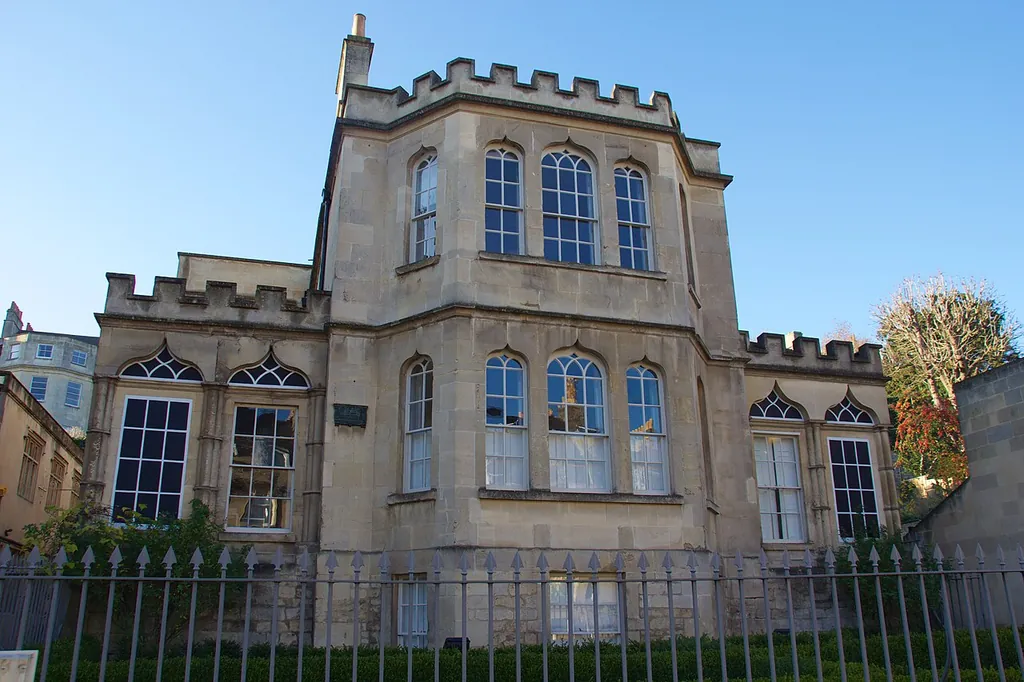
The Museum of Bath Architecture is housed in the Countess of Huntingdon’s Chapel, built in 1765 for Selina Hastings, Countess of Huntingdon, to spread her Methodist preaching. The chapel is an example of Gothic Revival design and is the only surviving 18th-century Gothic Revival building in Bath. Its congregation dwindled in the 19th century, and it was last used for worship in 1981.
By 1983 the roof was at risk of collapse, and Bath Preservation Trust acquired the building and led a restoration. It opened in 1984 as the Huntingdon Heritage Centre for the Trust’s educational work. After a successful exhibition at the Royal Institute of British Architects in London in 1992, the chapel was fitted out as The Building of Bath Museum, and it has been called the Museum of Bath Architecture since 2016.
The collection explains how architects and craftsmen of the 18th century turned a small medieval walled town into a fashionable Georgian city. It includes maps, models, designs, drawings, paintings and tools, as well as a library and archive. Highlights are a 1:500 scale model of Bath, which took 10,000 hours to build after being commissioned in 1965, a map of Bath made by Joseph Gilmore in 1694 and a set of drawing instruments that belonged to the architect John Wood. The museum is currently closed to visitors while the building is repaired and plans for its future are developed, although research visits to the archive can be arranged.
Højdepunkter
- 1:500 scale model of the city of Bath
- 1694 map of Bath by Joseph Gilmore
- Drawing instruments of the architect John Wood
- Section of the original Queen Square balustrade
- Gothic Revival chapel of 1765
Permanent udstilling
- Bath City Model and collection – A 1:500 scale model of Bath with maps, drawings, models and tools on the city’s architectural history; not on view while the museum is closed.
- Grundlagt
- 1984
- Ejer
- Bath Preservation Trust
Entrépriser & rabatter
Museet har ikke offentliggjort oplysninger om dette.
Tilgængelighed
- Delvis kørestolsvenlig
- Elevator: ingen oplysninger
- Handicaptoilet: findes ikke
- Handicapparkering: ingen oplysninger
- Servicehunde tilladt
- Taktile tilbud: ingen oplysninger
- Rundvisninger på tegnsprog: ingen oplysninger
- Letlæste tilbud: ingen oplysninger
- Synstolkning: ingen oplysninger
The chapel is reached by a raised pavement from The Paragon, and the entrance, shop and main museum room have level access. There are three steps up to the Countess’ Room and to the back of the Bath model. The toilets are up three steps and then down a flight of stairs, so they are not accessible. Seats are provided throughout, and volunteer guides in the shop can help. Suitably trained assistance dogs are welcome.
Børn og familie
Museet har ikke offentliggjort oplysninger om dette.
Transport & parkering
Med offentlig transport
Lansdown Road coach stop · 5 min. til fods
The nearest coach stop is on Lansdown Road, a 5-minute walk via Hay Hill; coaches must set down passengers quickly and move on.
The museum is in the Countess of Huntingdon’s Chapel on The Vineyards, part of The Paragon, about a 10-minute walk from No.1 Royal Crescent via Brock Street, the Circus, Bennett Street, Lansdown Road and Hay Hill.
Planlæg ruteService & spisesteder
- Museumsbutik
Arrangementer & udlejning
Museet har ikke offentliggjort oplysninger om dette.
Planlæg dit besøg
| Godt at vide | While the museum is closed, private visits and tours can occasionally be arranged on request, and a programme of talks continues at No.1 Royal Crescent. When it reopens, school, outreach and group sessions can be arranged in advance. |
|---|