Museum Morfologie
University museum of the Faculty of Veterinary Medicine in Merelbeke with around 7,000 skeletons, casts and plastinates of animals.
Have only individual sections read aloud
About the museum
The collection of Museum Morfologie goes back to the founding of the Ghent Veterinary School in 1933. The first items, mainly horses, cows and pigs, came from animals examined in the school’s diagnostic laboratories. After the Second World War, pigs dominated; since then, pets have become increasingly important, in line with changing veterinary practice.
The collection today comprises around 7,000 skeletons, casts and plastinates of domestic animals and a number of exotic species. It is still used daily in the faculty’s teaching and research, and thus has a practical training role, unlike the natural history collections of the Museum voor Dierkunde. The specimens are made by casting, plastinating and preparing skeletons from carcasses.
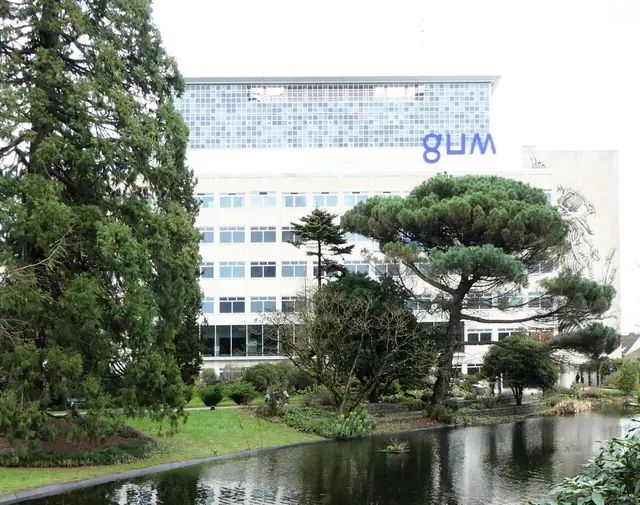
A highlight since 2005 is the skeleton of the Asian elephant Chitta. There are also skeletons of a giraffe, a flamingo and an okapi, bird skeletons, whale bones and the skeleton of a rider on horseback. Since 2013, the museum has been part of the Gentse Universitaire Musea (GUM) and is visited by students, schools, associations, individual visitors and artists. During open days and heritage days it attracts a great deal of interest.
Highlights
- Skeleton of the Asian elephant Chitta as the highlight
- Around 7,000 skeletons, casts and plastinates
- Skeletons of giraffe, flamingo and okapi, among others
- University teaching collection with preparation techniques such as casting and plastination
Permanent exhibition
- Vaste collectie skeletten, afgietsels en plastinaten – Skeletons, casts and plastinates of domestic and exotic animal species, with the elephant skeleton Chitta as the highlight.
- Operated by
- Faculteit Diergeneeskunde, Universiteit Gent
Admission & discounts
The museum hasn’t published any information on this.
Accessibility
The museum hasn’t published any information on this.
Kids & families
The museum hasn’t published any information on this.
Getting there & parking
The museum hasn’t published any information on this.
Amenities & dining
The museum hasn’t published any information on this.
Events & venue rental
The museum hasn’t published any information on this.
Plan your visit
| Good to know | The museum is visited by veterinary students, schools, associations, individual visitors and artists. To visit, contact the museum in advance. |
|---|