Musée de Bastia
Museum in the Genoese governors’ palace in the citadel of Bastia, tracing seven centuries of the town’s and Corsica’s history and displaying Italian painting.
No sound? Check your device’s silent switch.
Have only individual sections read aloud
About the museum
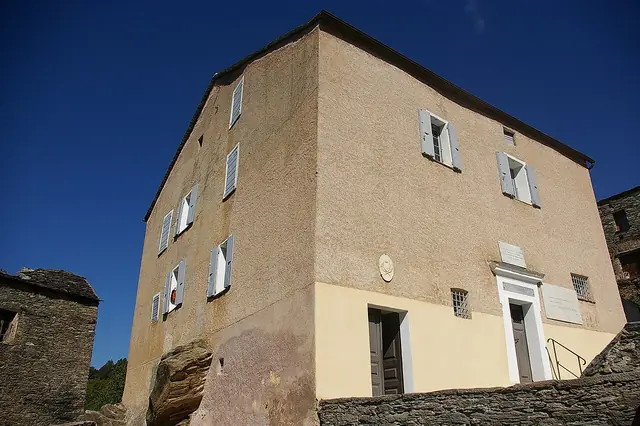
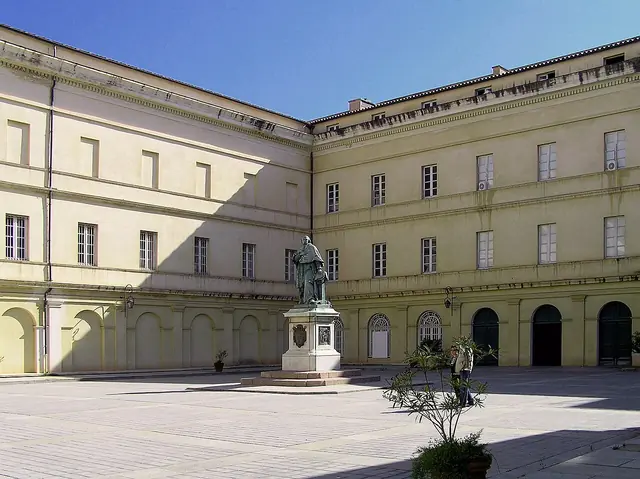
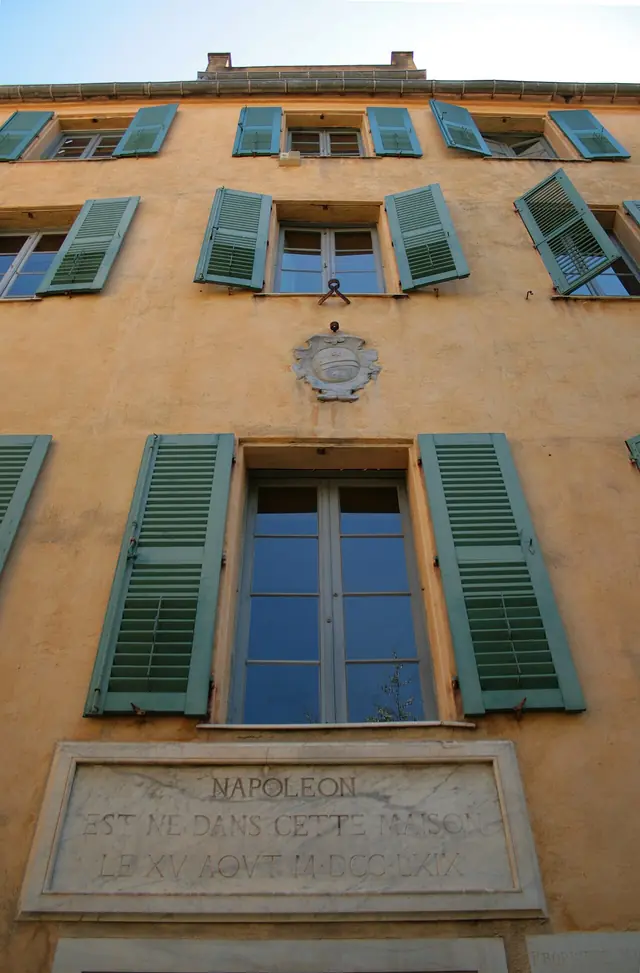
The museum occupies the Genoese governors’ palace, also known as the Palazzo pubblico, at the heart of the Bastia citadel. The building’s origins go back to around 1380. It took on its present appearance after the return of sovereignty to the Republic of Genoa, and was fitted out in the 16th and 17th centuries, serving both as the seat of Genoese administration and as a fortification.
After sieges and bombardments, the palace became a centre of power in the 1770s and later a barracks, a function it kept until the Second World War. These uses changed the building considerably: a large courtyard staircase disappeared and an additional floor was added to the east wing. In the early 1950s the palace became a museum of Corsican ethnography.
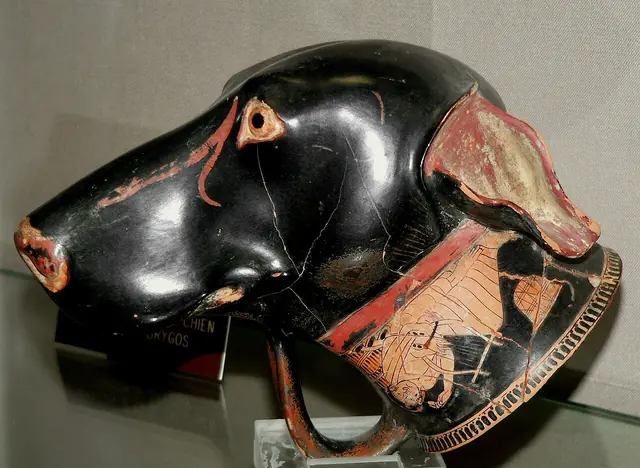
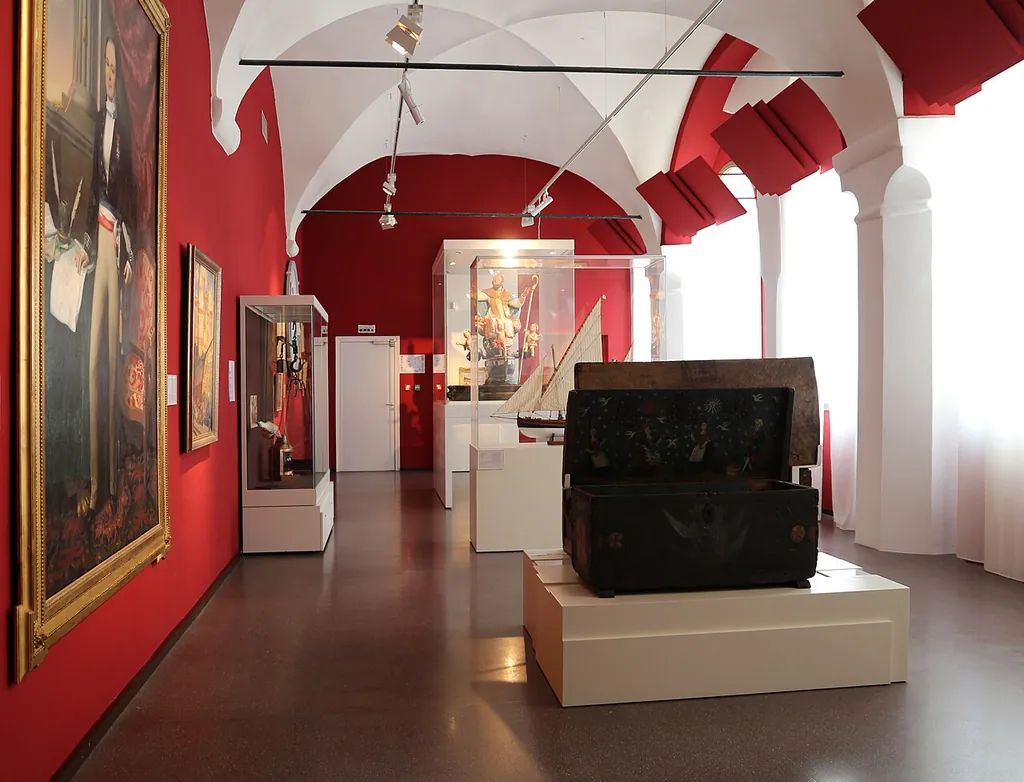
Today the museum is devoted to the history of the town of Bastia, its links with the rest of Corsica and the Mediterranean. The permanent display includes over 300 works and objects in 19 rooms. It features around thirty Italian paintings from the Fesch bequest, shown since 2018, and the Carlini collection, donated in 1973. The palace gardens overlook the Old Port and the Tuscan archipelago. The museum also organises a major temporary exhibition every year.
Highlights
- Palace of the Genoese governors, historic monument
- Permanent display across 19 rooms covering seven centuries of Bastia’s history
- Italian paintings from the Fesch bequest (16th–18th centuries)
- Carlini collection of objects from the late Ancien Régime and the Napoleonic period
- Hanging gardens with a view of the Old Port
Permanent exhibition
- Exposition permanente du musée de Bastia – A route through 19 rooms around four themes: the birth and growth of a Corsican town, Bastia as capital and seat of power, a cultural centre, and the painting collection of Cardinal Fesch, followed by the Carlini collection.
- Founded
- 2004
- Operated by
- Cità di Bastia (Ville de Bastia)
Admission & discounts
| Adults | €5 |
|---|---|
| Reduced | €2.50Ages 10–18, students and people aged 60 and over |
| Children & teens | €2.50free up to age 9 · Free for children under 10; €2.50 for ages 10 to 18. |
| Seniors | €2.50From age 60. |
| Visitors with disabilities | €1€1 rate for people with disabilities and job seekers. |
| Students & apprentices | €2.50 |
| Job seekers | €1 |
Accessibility
- Wheelchair accessible
- Elevator: no information
- Accessible restroom: no information
- Accessible parking
- Service dogs welcome: no information
- Tactile models & exhibits: no information
- Sign language tours: no information
- Easy-to-read materials: no information
- Audio description: no information
The museum states that it is accessible to hard-of-hearing visitors and people with reduced mobility. One parking space is reserved in the courtyard, on the Cours Favale entrance side.
Kids & families
The museum hasn’t published any information on this.
Getting there & parking
By public transit
Cours Docteur Favale / Place Vincetti
Bus lines 2, 3, A, B and the night line, stop Cours Docteur Favale or Place Vincetti; free shuttle from the railway station.
By car
Paid parking
Paid car park at Place Vincetti, open until 22:30. A space for people with reduced mobility is in the museum courtyard (Cours Favale entrance).
- Accessible parking
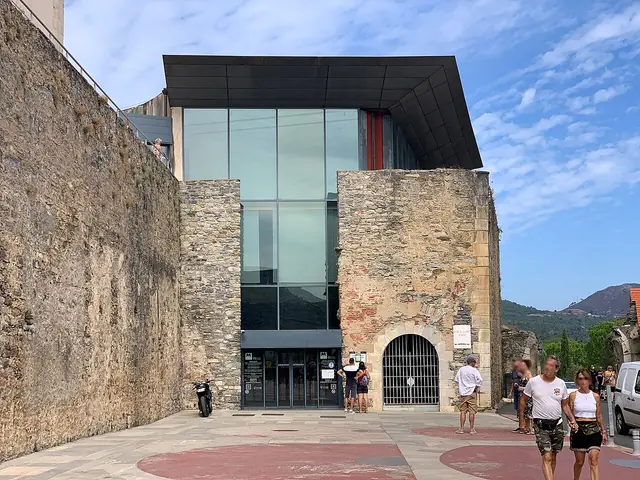
The museum is located in the Bastia citadel, Place du Donjon.
Get directionsAmenities & dining
- Museum shop
Museum shop. The hanging gardens are accessible within the palace grounds.
Events & venue rental
- Spaces for rent
- Private parties
- Weddings / ceremonies
Up to 500 guests.
Hire of the inner courtyard (up to 500 people, museum staff included), the hanging gardens (up to 200 people), a 108 m² auditorium (90 people) and, exceptionally, other spaces such as the foyer, north terrace, mezzanine or mediation room. Rates are published on the website; spaces are hired without furniture, except for the auditorium.
Inquiries & detailsPlan your visit
| School programs | yes |
|---|---|
| Good to know | A downloadable educational pack, “Una via pedagogica”, lets teachers prepare an independent visit with their class. The museum also takes part in the Micro-Folie programme with the Una Volta cultural centre. Entrance is via the Place du Donjon, across the drawbridge. |