First exhibition devoted to the history of raï, a music inscribed on UNESCO's list of Intangible Cultural Heritage in 2022. For the Dijon stage, the museum also collects testimonies and objects linked to raï in the city.
About the museum
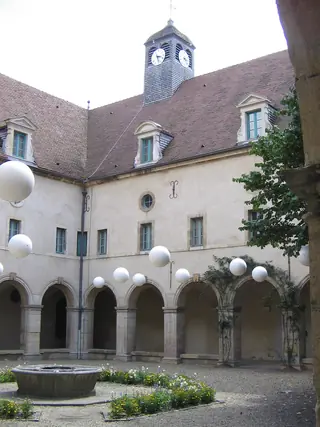
The museum grew out of the collection of Maurice Bonnefond Perrin de Puycousin, born in Tournus in 1856, who gathered objects between 1880 and 1920 and gave them to the city of Dijon in 1935. A first municipal museum opened on rue des Forges in 1938 and closed in 1970. In 1985 the collections moved into the Bernardines cloister, where the museum became municipal.
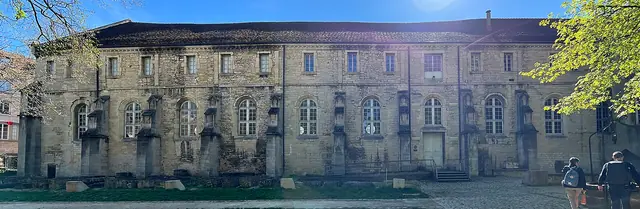
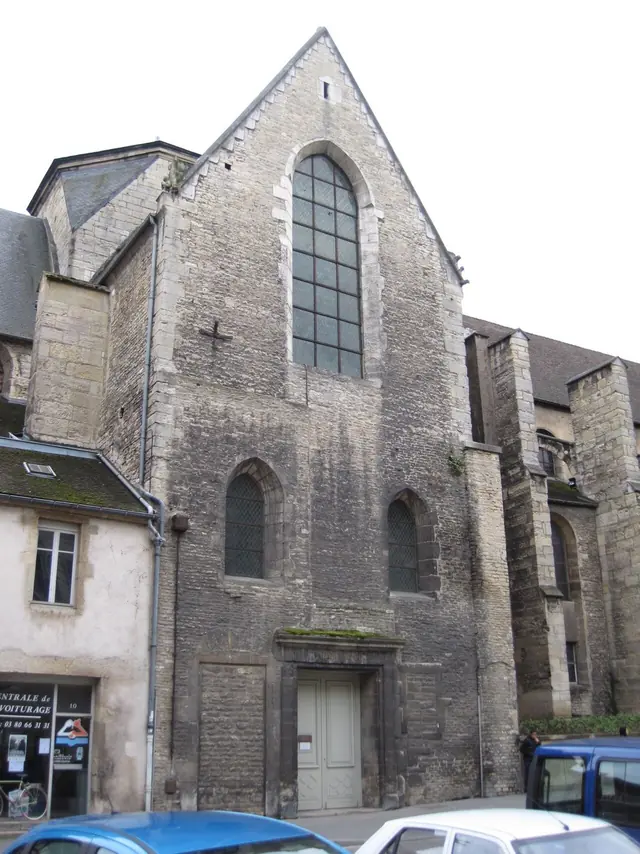
The site was a Cistercian convent for women, founded at Tart in 1125; part of the community settled in Dijon in 1625. The cloister was built in 1679–1681 and the Sainte-Anne church between 1699 and 1708. After the Revolution the nuns had to leave, and a Sainte-Anne hospice moved into the premises in 1803.
The first floor recreates rural Burgundy of the 19th and early 20th centuries, while the third floor presents a reconstructed “rue des commerces” (shopping street), as well as the history and industries of Dijon. The collections comprise nearly 35,000 objects and works of art.
Highlights
17th-century Bernardines cloister
Reconstructed rural Burgundy of the 19th century on the first floor
Reconstructed “rue des commerces” on the third floor
History and industries of Dijon
Nearly 35,000 objects and works of art
Permanent exhibitions
La Bourgogne rurale du XIXe siècle – The first floor recreates rural life in Burgundy in the 19th and early 20th centuries.
La rue des commerces – On the third floor, a reconstructed street of shops, plus rooms on the history and industries of Dijon.
Founded
1938
Operated by
Ville de Dijon (Dijon Musées)
Visitors per year
approx. 38,881 (2024)
Admission & discounts
Admission is free.
Adults
free
Themed workshop or guided tour
€7Reduced rate: €4; some formats have a rate adjusted to household income.
Group guided tour on request (one hour)
€110Rate per group; €60 for each additional half hour.
Access to the permanent collections of the Dijon museums has been free since 2004. Only workshops, guided tours and temporary exhibitions of the Musée des Beaux-Arts are paid.
Accessibility
Wheelchair accessible
Elevator
Accessible restroom: no information
Accessible parking: no information
Service dogs welcome
Tactile models & exhibits: no information
Sign language tours: no information
Easy-to-read materials: no information
Audio description: no information
The museum is accessible to visitors with reduced mobility and has an elevator. Assistance animals for people with disabilities are admitted on presentation of proof.
Kids & families
Great for kids & families
Family tours & workshops
Stroller-friendly
Playground / play area
Visits for children aged 2 to 3 with their parents, workshops for children and families, and a family evening opening on one Wednesday during spring break. A play area on the first floor near reception offers games and a snack break. Strollers are allowed if they fit in the elevators; they cannot be left at the cloakroom.
Getting there & parking
By public transit
Divia public transport network; the museum is located in the city center of Dijon.
The museum is in the former Bernardines convent, 17 rue Sainte-Anne.