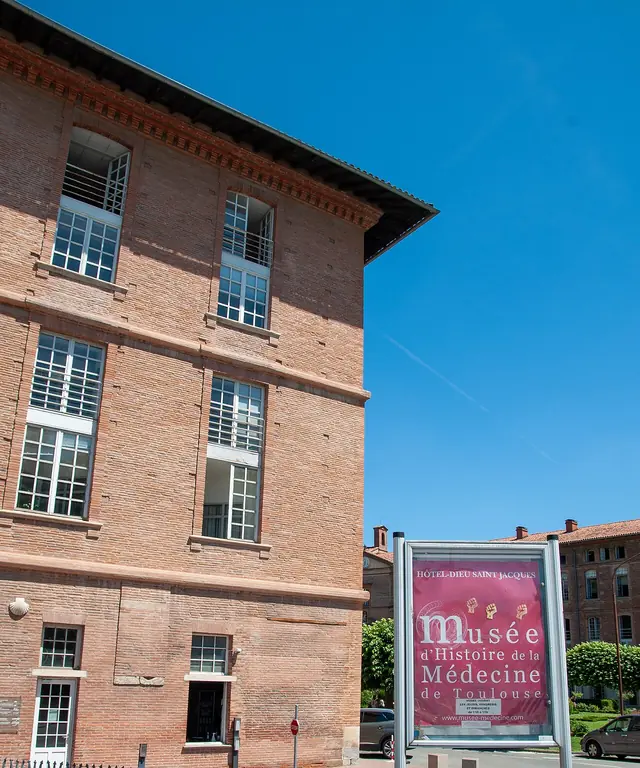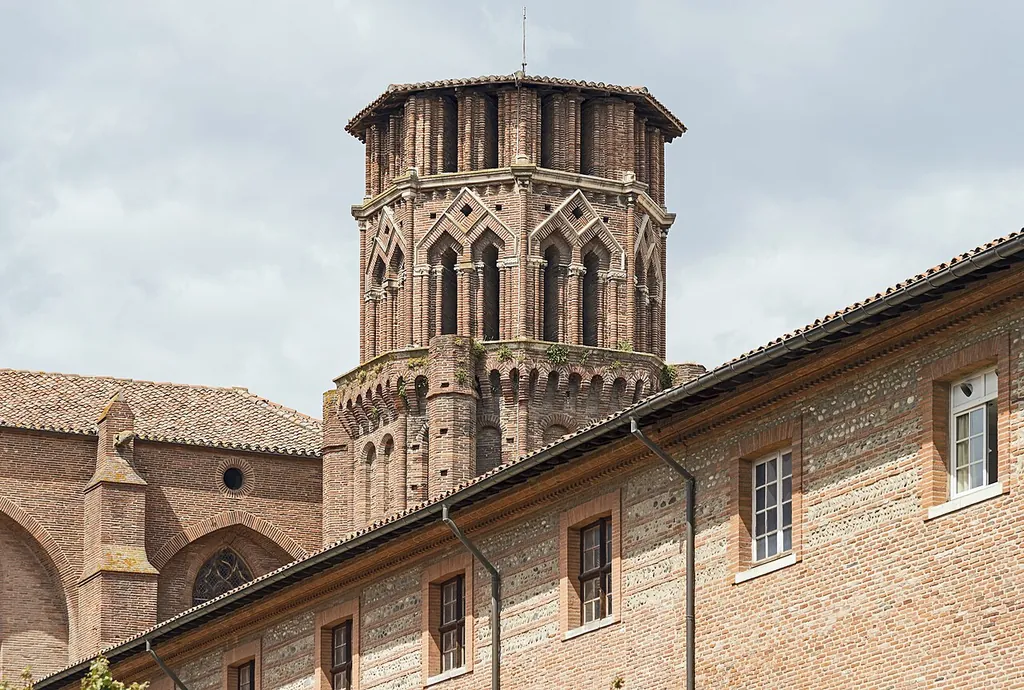
Musée des Augustins de Toulouse
Art museum in Toulouse set in a former Gothic convent, known for its collection of Romanesque sculpture and its paintings from the Middle Ages to the 20th century.
No sound? Check your device’s silent switch.
Have only individual sections read aloud
About the museum
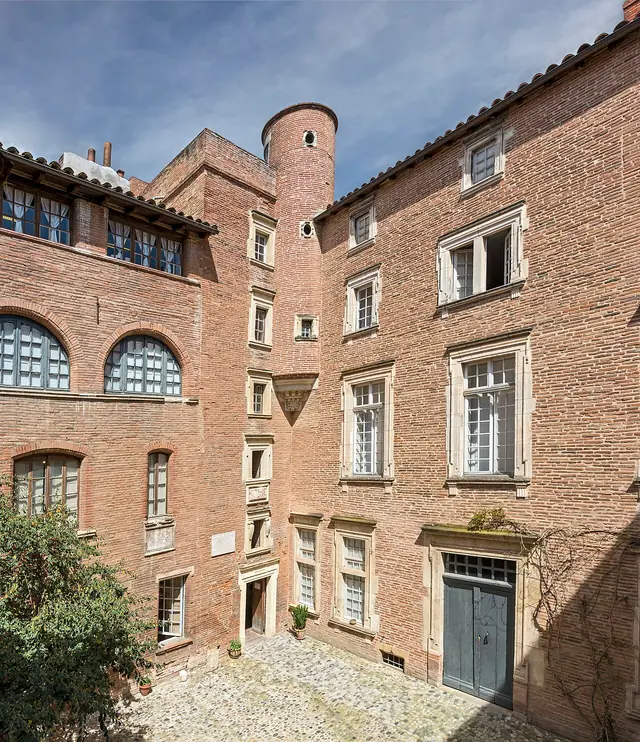
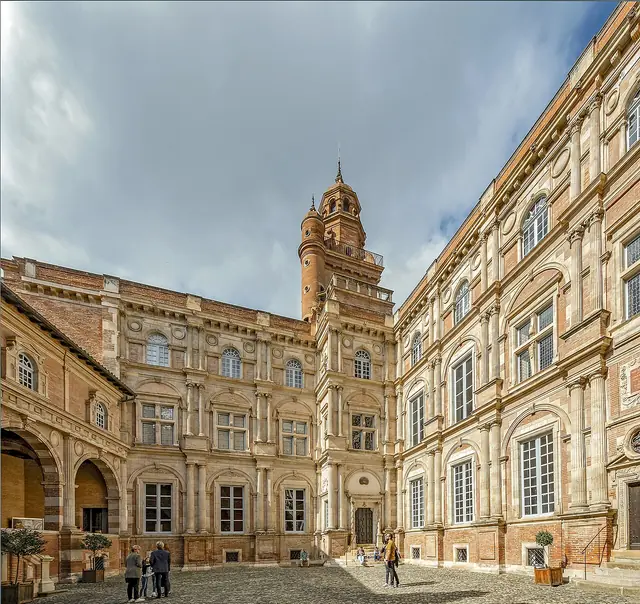
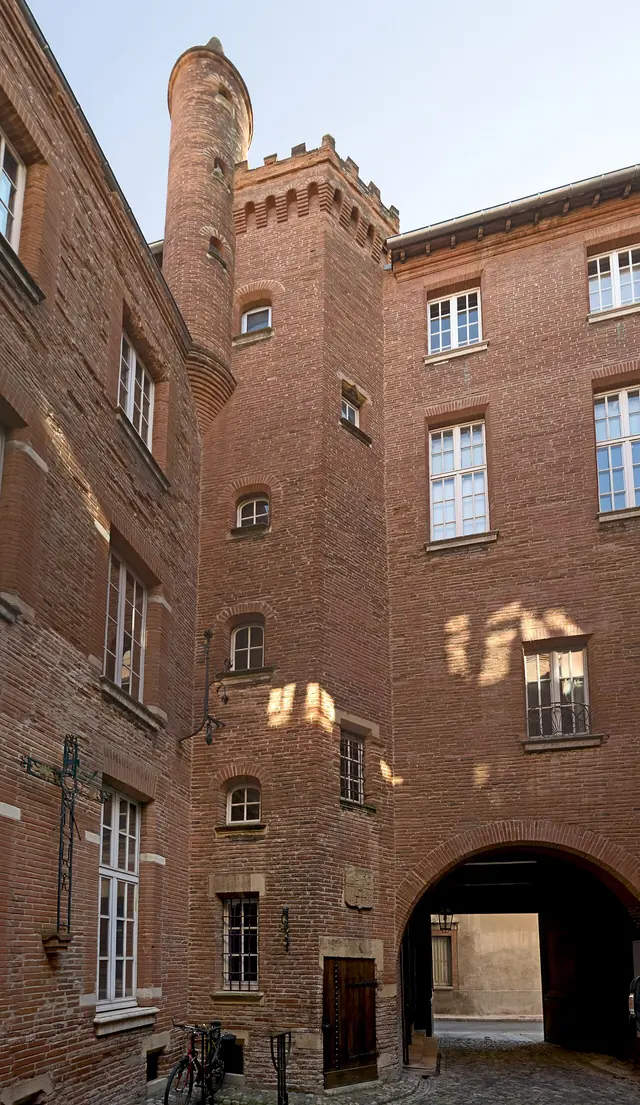
The Augustinian convent became national property in 1789, and the monks left the following year. In 1793, the département administration decided to create a temporary museum for the South. The museum opened on August 27, 1795 in the Augustins church, shortly after the Louvre, which makes it one of the oldest museums in France.
Around 1830, the city shortened the church choir and removed several Gothic chapels. The architect Urbain Vitry then created a neoclassical stucco decor, known as the “Temple des arts”, which concealed the Gothic structure. At the end of the 19th century, a wing was built along rue Alsace-Lorraine to plans by Viollet-le-Duc, drawn up by Denis Darcy.
From 1941, a heritage restoration began: the Temple des arts was removed from 1950, and the choir, the great rose window and the chapels were restored. Between the 1950s and the 1970s, a major redesign was carried out by several architects; the Pavillon Boiret on rue de Metz became the new entrance. The museum reopened in two stages, in 1980 and 1981.
The collections comprise more than 4,000 works, roughly as many paintings as sculptures, from medieval art to the first half of the 20th century. The Romanesque sculptures are especially renowned. The museum holds the Musée de France and Monument historique labels.
Highlights
- Collection of Romanesque sculpture, including capitals and reliefs from the Daurade
- Gothic cloister and church of the Augustinian convent
- Paintings by Rubens, Vigée Le Brun and Delacroix
- 19th-century sculptures, including “David vainqueur de Goliath” by Antonin Mercié
- Wing designed by Viollet-le-Duc with the Escalier Darcy
Permanent exhibitions
- Collections permanentes : sculpture romane et gothique – The route presents Romanesque and Gothic sculptures, including works from the Daurade workshop, in the convent and its cloister.
- Peintures du XVIIe au XXe siècle – Paintings by Rubens, Vigée Le Brun, Delacroix, Manguin and Vuillard are displayed in the museum’s salons.
- Founded
- 1795
- Operated by
- Ville de Toulouse
- Director
- Axel Hémery
- Visitors per year
- approx. 186,780
Admission & discounts
| Adults | €9 |
|---|---|
| Reduced | €5Young people aged 6 to 17, students, holders of the Pass Toulouse+ and groups of 11 or more by reservation |
| Children & teens | €5free up to age 5 · Free admission for children under 6; reduced rate from 6 to 17. |
| Seniors | –Free admission for holders of the Carte Montoulouse Senior. |
| Visitors with disabilities | freecompanion free · Free admission with proof, as well as for one companion per holder of a disability card. |
| Students & apprentices | €5With proof. |
| Groups (11+ people) | €5 per personReduced rate for groups of 11 or more, by reservation. |
| Families | €25“Tribu” ticket for 2 adults and at least 2 children over 6 (up to 6 children). |
| Pass Solo (annual subscription, 1 person) | €15 |
| Pass Duo (annual subscription, 1 adult and 1 person) | €25 |
| Pass Tribu (annual subscription, 1 adult and up to 6 people) | €45 |
Free admission: First Sunday of the month, European Night of Museums, European Heritage Days and some exceptional events
The rates shown apply to the partial opening during the works. Free admission, with proof, is also granted to recipients of social minimum benefits, Friends of the Museum, teachers accompanying a booked class, tour guides, curators, members of ICOM and ICOMOS, and journalists. Annual passes are bought at reception on weekdays or online. On the first Sunday of the month, large bags, suitcases and scooters are not admitted.
Accessibility
- Wheelchair accessible
- Elevator
- Accessible restroom
- Accessible parking: no information
- Service dogs welcome: no information
- Tactile models & exhibits
- Sign language tours
- Easy-to-read materials
- Audio description
The museum describes itself as fully accessible to visitors with reduced mobility. Four wheelchairs are lent free of charge at reception, and folding seats are available along the route. There is a priority queue and priority ticket desk for people with disabilities. Induction loop necklaces are lent on request. A multisensory route with an audio track and tactile elements is offered; easy-to-read documents are available. Group visits in sign language, with audio description or adapted to needs can be arranged by reservation; the sign-language interpreter is paid for by the group.
Kids & families
Great for kids & families
| Time needed | approx. 60 min |
|---|---|
| Kids’ admission | free up to age 5 |
| Family ticket | €25 · “Tribu” ticket for 2 adults and at least 2 children over 6 (up to 6 children). |
- Family tours & workshops
- Activity booklet, scavenger hunt or kids’ audio guide
- Hands-on stations
- Stroller-friendly
- Playground / play area
A “Musée à jouer” space offers observation and creation games along the route. Free game sheets and a detail-spotting game are available. Free family sessions from age 2 take place during school holidays; sensory visits for babies aged 12 to 24 months are offered by reservation, and free art workshops are open to all on the first Sunday of the month. Pushchairs are allowed but are parked in the cloister when it gets very busy.
Getting there & parking
By public transit
Esquirol
Metro line A to Esquirol, or line B to Carmes or François Verdier. Bus line 44 to Esquirol. A city-centre shuttle is also listed.
By car
Paid parking
Paid parking at Esquirol, Saint-Étienne and des Carmes squares. The museum recommends leaving the car at a free Tisséo park-and-ride and taking the metro.
The museum is in the historic centre, at the corner of rue de Metz and rue Alsace-Lorraine. Self-service bike stations are located at Place Rouaix and at Esquirol.
Get directionsAmenities & dining
- Café
- Museum shop
- Coat check
- Lockers
Bookshop with a small café corner and a small shaded terrace; consumption is on site. The free cloakroom is in the large cloister, with lockers of several sizes.
Events & venue rental
The museum hasn’t published any information on this.
Plan your visit
| Guided tours | yes |
|---|---|
| Audio guide | yes (FR, EN, ES) |
| School programs | yes |
| Photography | Photos are allowed without flash; tripods, poles, lamps or filming only with the management’s permission. |
| Good to know | Allow 1 to 2 hours. The audio guide is free: download it from the website or pick it up at reception. Themed guided tours can be booked from the agenda; short “flash” tours are included with the ticket, and student mediators present works at certain times. You may leave and return on the same day with your ticket. |