Agroneum
Agricultural history open-air museum in Alt Schwerin: farm machinery, windmill, forge and farmworkers' homes from 150 years of village life.
About the museum
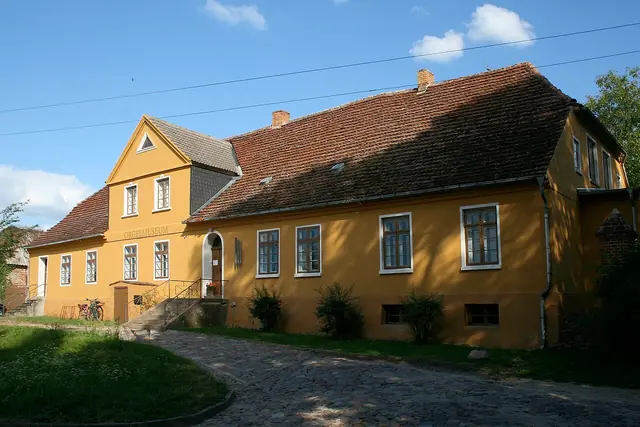
The museum was founded in 1963 as the Agricultural History Museum Alt Schwerin. Rather than gathering all the buildings in one place, it incorporated the entire former estate village in the Nossentiner/Schwinzer Heide Nature Park: surviving buildings such as the 1904 seasonal workers' barracks (Schnitterkaserne) and the long farmworkers' cottages became part of the exhibition. After extensive renovations, the museum has been called Agroneum since 2012.
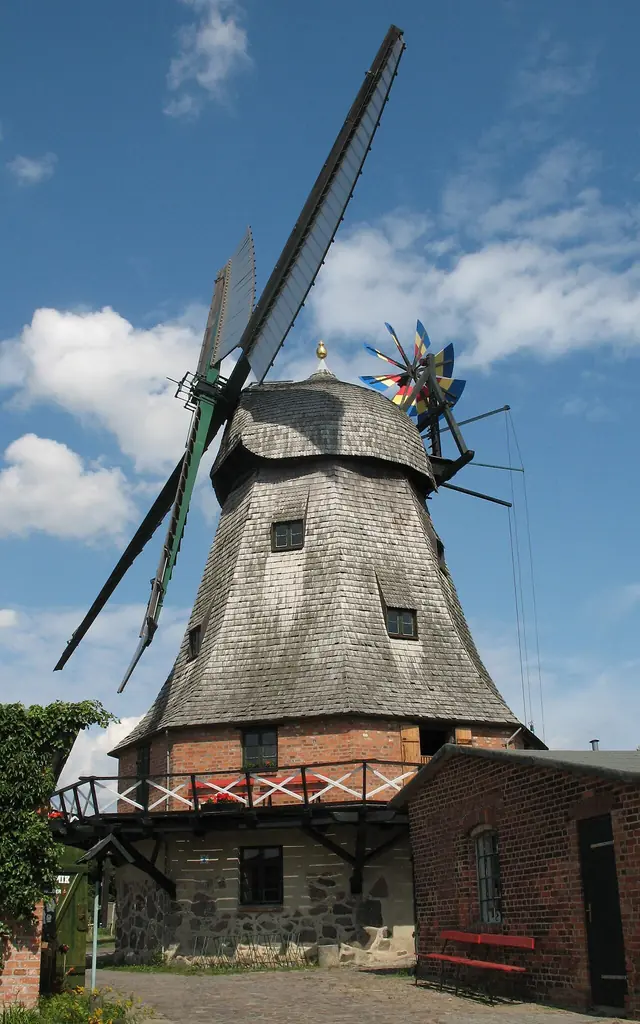
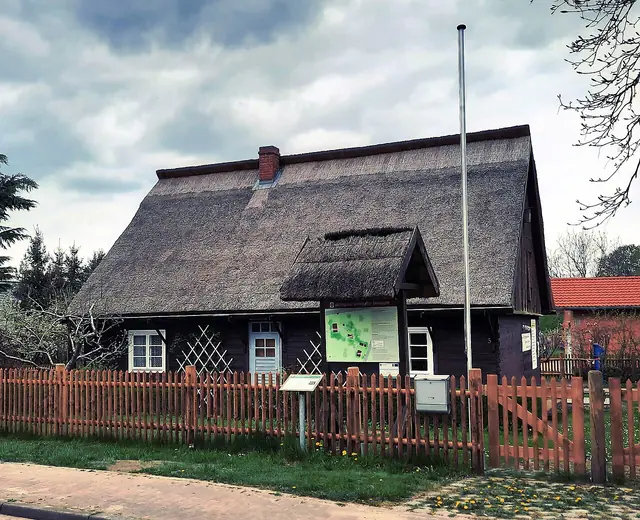
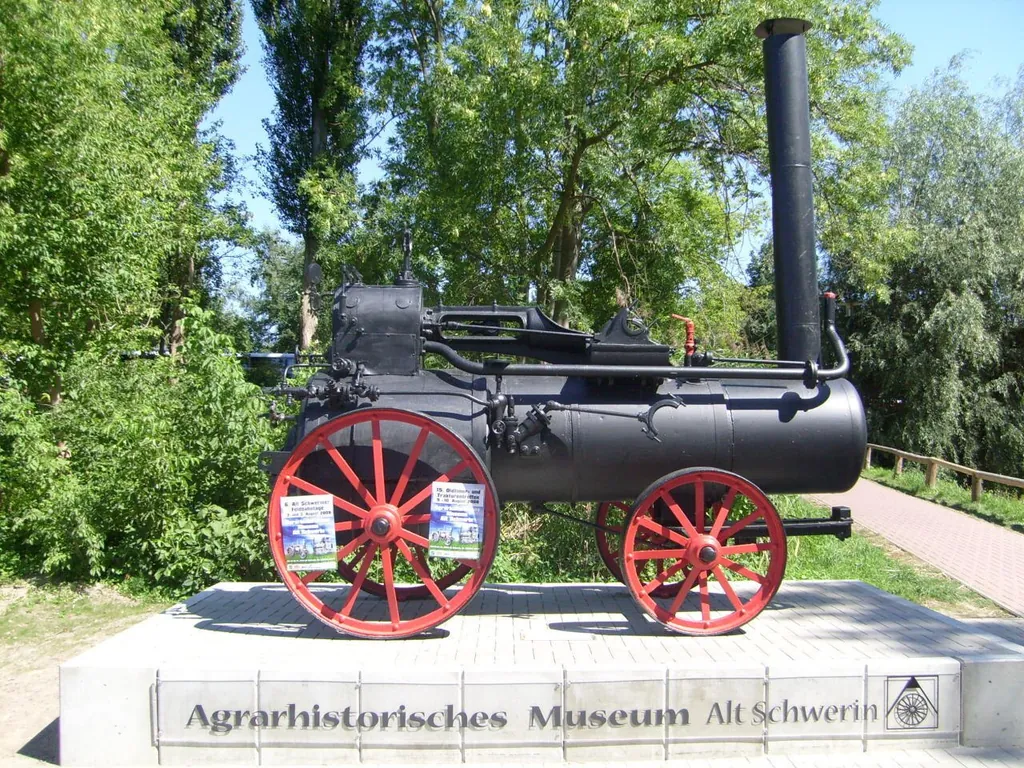
Over the decades, buildings from other places in Mecklenburg and Western Pomerania were rebuilt on the roughly five-hectare outdoor grounds, including an estate forge from Marxhagen, a Dutch-style post windmill (Erdholländer) from Jarmen and the Wittenborn cottage from the Pasewalk district. Halls house the large collection of agricultural machinery, from the steam plow locomobile to the agricultural aircraft.
In the village, furnished homes show how day laborers, farmworkers and new farmers lived between about 1800 and the 1960s; one home from the 1960s has been preserved in its original condition. Since 2015, the economic development agency of the Mecklenburgische Seenplatte district has operated the museum through its subsidiary MuSeEn gGmbH. Festivals, technology demonstrations and workshops bring agricultural history to life throughout the season.
Highlights
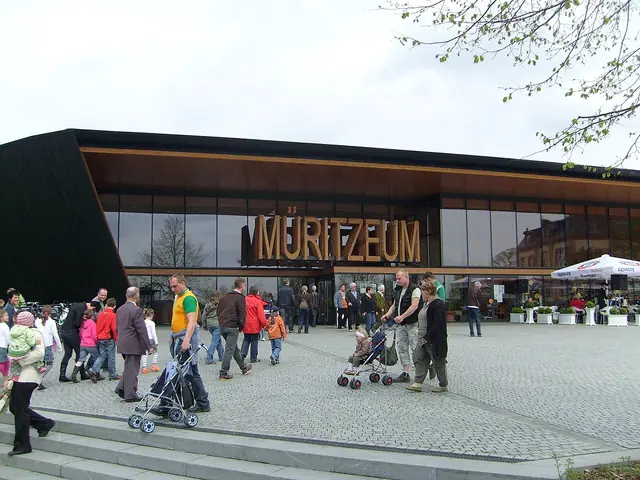
- 1915 Heucke steam plow locomobile in the entrance building
- Dutch-style windmill built in Jarmen in 1843
- Award-winning wrought-iron estate gate (special prize at the 1893 Chicago World's Fair)
- Farmworker's home from the 1960s preserved in its original state
- Z-37 agricultural aircraft from the former Czechoslovakia
- 1904 seasonal workers' barracks for around 100 seasonal workers
Permanent exhibitions
- Landtechnik und Handwerk auf dem Freigelände – Halls and relocated historic buildings show agricultural machinery from the steam locomobile to the large tractor, as well as a forge, wheelwright's shop, sawmill, rope-maker's shop and windmill.
- Leben und Wohnen auf dem Land – In the village, a day laborer's cottage, farmworkers' homes from various decades, the seasonal workers' barracks and a new farmer's house offer insight into everyday life in the countryside.
- Founded
- 1963
- Operated by
- MuSeEn gGmbH (Wirtschaftsförderung Mecklenburgische Seenplatte)
- Director
- Anke Gutsch
Admission & discounts
| Adults | €13.50 |
|---|---|
| Reduced | €11.50Pupils, students, trainees, volunteer service participants (FÖJ/FSJ/BFD), recipients of benefits under SGB II and XII, people with a degree of disability (GdB) of 50 or more (with proof) |
| Children & teens | €6Children's price for ages 6 to 16. |
| Seniors | –Retirees pay half-price admission every Tuesday. |
| Visitors with disabilities | €11.50Reduced admission from a degree of disability (GdB) of 50. |
| Students & apprentices | €11.50 |
| Groups (15+ people) | €11.50 per personChildren's groups of 15 or more children (ages 6–16): €5 per child. Guided tour for up to 25 people (approx. 90 minutes): €60 plus admission, registration required. |
| Families | €332 adults and 1 child; each additional child free. |
| Dog | €2 |
| Season pass, adult | €29Valid for the current season (2026: 03/29–11/08). |
| Season pass, reduced | €25 |
| Season pass, children (ages 6–16) | €14 |
| Season pass, family | €692 adults and 1 child; each additional child free. |
Half-price admission applies on certain event days (e.g., Museum Awakening in March, Plant and Pottery Day in April, Season Finale in November).
Accessibility
- Partially wheelchair accessible
- Elevator: no information
- Accessible restroom: no information
- Accessible parking: no information
- Service dogs welcome
- Tactile models & exhibits: no information
- Sign language tours: no information
- Easy-to-read materials
- Audio description: no information
The museum describes itself as having limited barriers; accessibility is not possible everywhere in the historic buildings. The website offers information in Easy Language. Dogs are welcome on a short leash.
Kids & families
Great for kids & families
| Family ticket | €33 · 2 adults and 1 child; each additional child free. |
|---|
- Family tours & workshops
- Activity booklet, scavenger hunt or kids’ audio guide
- Hands-on stations
- Playground / play area
Seven themed playgrounds on the open-air grounds, a museum rally with questionnaire and many stations for hands-on exploration. During the Easter, summer and fall school holidays, the museum workshop opens for children aged 8 and up; at festivals there are crafts stations and rides on the small park railway. Hand carts to borrow; certified with the "Familienurlaub MV" (family vacation in Mecklenburg-Western Pomerania) seal.
Getting there & parking
By public transit
Alt Schwerin (Bushaltestelle an der Schnitterkaserne) · 200 m
Bus line 77 (Malchow–Parchim, daily); in peak season regional train RB15 (ODEG) to the Alt Schwerin stop near the main entrance; May to September Plauer See circular bus (hop-on-hop-off).
By car
Bus parking lot at the museum.
By car via the A19, exit Malchow, then follow the B192 toward Karow. Bicycle and hiking trails pass through the village.
Get directionsAmenities & dining
- Restaurant
- Museum shop
Restaurant "Pott un Pann" on the open-air grounds with Mecklenburg country cooking and cake (in season Tue–Sun from 11:00, also without a museum visit); farm shop with regional products, books and souvenirs. Picnicking is allowed, and hand carts are available at the ticket desk for a deposit.
Events & venue rental
- Spaces for rent
- Private parties
Celebrations with catering by the restaurant team in the locomotive shed on the open-air grounds or in the restaurant.
Inquiries & detailsPlan your visit
| Guided tours | yes · approx. 1.5 hrs |
|---|---|
| School programs | yes |
| Good to know | Guided tours (max. 25 people) only by prior booking, e.g., on the themes "Life and Living in the Countryside" and "Working in the Countryside." For groups and school classes there are hands-on activities such as butter making, bread roll baking, school as it was 100 years ago and forge workshops. |