One of Germany's major ethnological museums, housed in Leipzig's GRASSI complex – some 200,000 objects and a critical look at the history of its own collection.
Opening hoursAdmission from €6 Wheelchair accessible Café
In the backstage area, visitors can follow how a Greenlandic kayak connected with Leipzig for centuries is restored and researched; display cases tell its story and that of hunting in Greenland.
About the museum
Citizens of Leipzig founded the ethnological museum in 1869. Its core was the cultural history collection of Gustav Klemm, a Dresden court councilor and librarian. Holdings grew substantially over the following decades.
The collection multiplied above all during the German colonial period and under director Karl Weule, who shaped the museum from 1899 onward. Among its most important donors was the publishing heir and colonial geographer Hans Meyer. Many pieces reached Leipzig through expeditions, missionary work, military campaigns or looting – a legacy the museum now confronts openly.
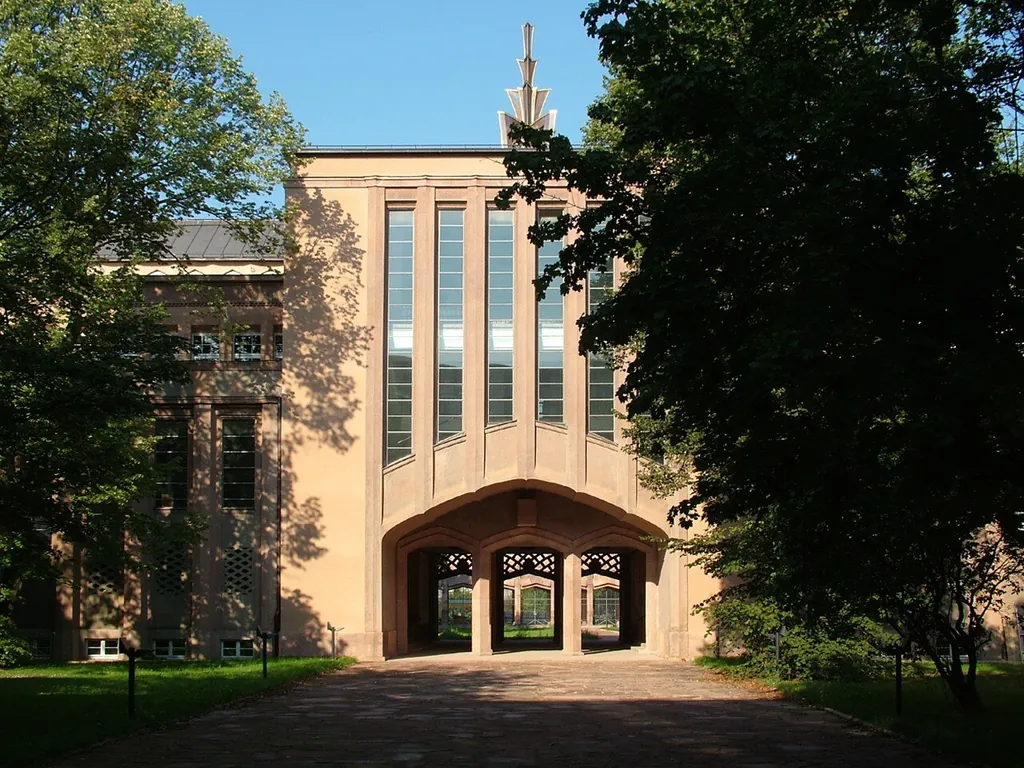
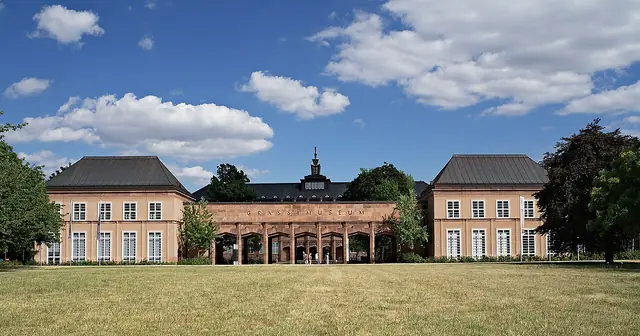
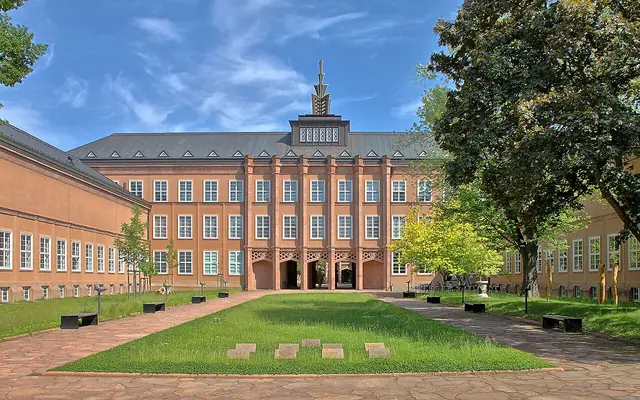
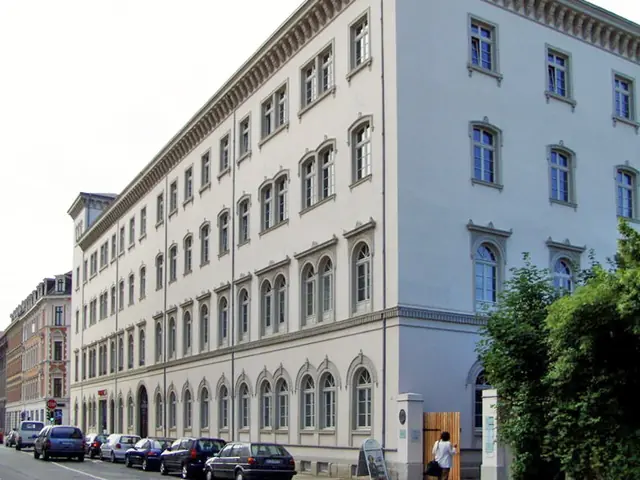
Since 1927 the museum has been based in the Art Deco Grassimuseum building on Johannisplatz, which it shares with the Museum für Angewandte Kunst and the Musikinstrumentenmuseum. The building was badly hit in an air raid in 1943, and about one fifth of the collection was lost. After reconstruction, the museum again showed a permanent exhibition from 1954 and supplied numerous smaller museums in East Germany with traveling exhibitions.
Following the renovation of the entire Grassi complex from 2001 to 2005, a new permanent exhibition opened in 2009. Today the museum belongs to the Staatliche Ethnographische Sammlungen Sachsen within the Staatliche Kunstsammlungen Dresden. Through the REINVENTING GRASSI.SKD program, it is gradually transforming itself into a network museum that involves source communities, artists and the city's residents.
Highlights
Benin Bronzes in dialogue with works by the artist Enotie Paul Ogbebor
The section “Vermessene Macht” on Hans Meyer and the Kilimanjaro summit stone
120 objects in restored historic Kühn-Scherf display cases
Free-admission meeting space “Bonvenon: Spielräume”
Public restoration of a historic Greenlandic kayak (from December 2026)
Permanent exhibitions
REINVENTING GRASSI.SKD – The permanent exhibition, which is being renewed step by step, explores how the collection was acquired through themes such as Benin, colonial geography and East German “friendship between peoples,” and links this history with voices from the regions of origin.
€4Students, school pupils aged 20 and over, volunteer service participants, people with a disability rating (GdB) of 50 or more, recipients of Bürgergeld (basic income support) and social assistance, holders of the Leipzig-Pass, Leipzig-Card, Juleica, Ehrenamtskarte (volunteer card) and SparkassenCard
Children & teens
€2Children free until they start school; school pupils under 20 pay €2.
Seniors
–No senior discount (regular admission); annual pass at a reduced rate with a pension ID.
Visitors with disabilities
€4companion free · Reduced admission with a disability rating of 50 or more.
Students & apprentices
€4Reduced admission; students of certain departments of the HGB Leipzig and the HfBK Dresden free.
Groups (10+ people)
€5 per person
Families
–No dedicated family rate; free admission with the Familienpass Sachsen.
Free admission:every first Wednesday of the month
Free admission also on your birthday, with the Familienpass Sachsen and for members of the friends' association. The “Bonvenon: Spielräume” room is free to enter. According to the website, card payment is currently not possible.
Accessibility
Wheelchair accessible
Elevator
Accessible restroom
Accessible parking: no information
Service dogs welcome
Tactile models & exhibits
Sign language tours
Easy-to-read materials
Audio description: no information
Step-free access via Johannisplatz; the entrance door (70 cm) is locked, entry by ringing the bell. All floors accessible by elevator; two loaner wheelchairs and 20 folding stools. Tactile maps and visitor brochure in Braille, large print and Easy Language; regular guided tours for blind and visually impaired visitors and with German Sign Language (DGS) interpretation. The library is not accessible.
Kids & families
Great for kids & families
Family tours & workshops
Stroller-friendly
Baby changing facilities
Playground / play area
Kids’ birthday parties
Sunday family time and holiday programs; the “Bonvenon” play and reading room with games and children's books is free to use Tue–Sun. Children's birthday parties (about 2 hours, max. 8 children). When it is very busy, access with strollers may be restricted; children may not be carried on backs or shoulders. Nursing and baby changing facilities available.
Getting there & parking
By public transit
Johannisplatz/Prager Straße
Tram 4, 7, 12, 15 and bus to the Johannisplatz/Prager Straße stop; about a 15-minute walk from the Hauptbahnhof (main station), about 5 minutes from Augustusplatz.
By car
Parking available
No dedicated parking; parking garages at Gutenbergplatz, Augustusplatz, on Querstraße and in the former main post office (access via Grimmaischer Steinweg); street parking including on Täubchenweg, Inselstraße, Dresdner Straße, Talstraße and Salomonstraße. Two accessible parking spaces on the east side (Täubchenweg). Coach parking on Talstraße opposite the museum.
Café im GRASSI (foyer of the right-hand wing, terrace in the first courtyard) and GRASSI Shop with crafts from around the world. Free cloakroom; lockers take a €1 or €2 coin.
Events & venue rental
Spaces for rent
Corporate events
Available for rent are the Großer Vortragssaal (large lecture hall, fixed seating), the “Bonvenon: Spielräume” room (up to about 30 people) and the children's studio – mainly for conferences, lectures and workshops.
Private photos and videos allowed without flash, tripod or selfie stick; sometimes prohibited in special exhibitions.
Good to know
Free multimedia guide in the browser (bring your own headphones). Bags larger than 20 × 15 × 10 cm must be left at the cloakroom. Guided tours and accessible programs through the SKD visitor service (+49 351 49142000, besucherservice@skd.museum).