Museum für Musikinstrumente der Universität Leipzig
One of the world's largest collections of musical instruments: five centuries of music history in Leipzig's GRASSI, plus a sound lab and study collection.
Opening hoursAdmission from €6 Wheelchair accessible Café
The exhibition for the Paul de Wit theme year introduces the collector, publisher and instrument maker whose collection the museum is based on, and shows many pieces never displayed before.
About the museum
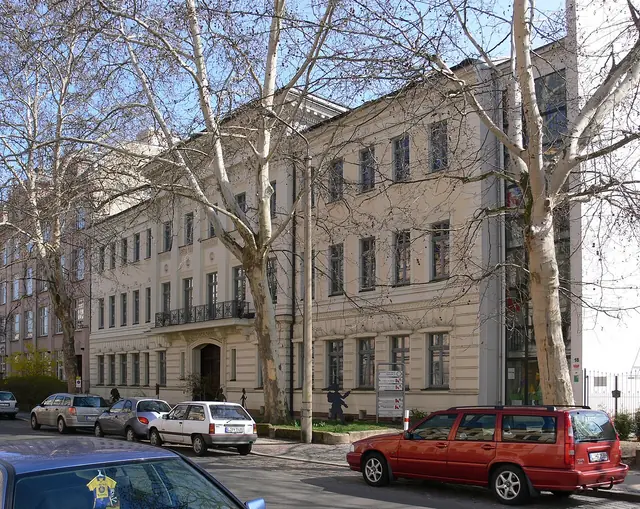
The foundation was laid by Paul de Wit, a music publisher and collector from Maastricht, who from 1886 publicly displayed historic musical instruments in Leipzig and occasionally had them played. Because the city of Leipzig did not acquire the collection, he sold it in 1905 to the Cologne paper manufacturer Wilhelm Heyer, who added further important collections – including those of the Florentine Baron Alessandro Kraus and the piano maker Ibach – and opened it in Cologne in 1913 as the Musikhistorisches Museum.
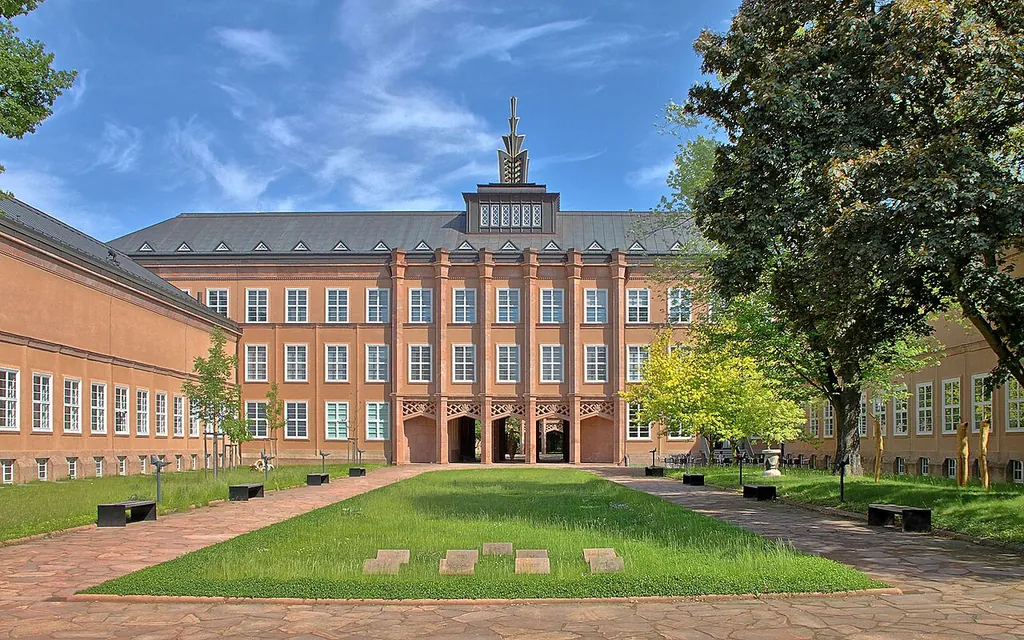
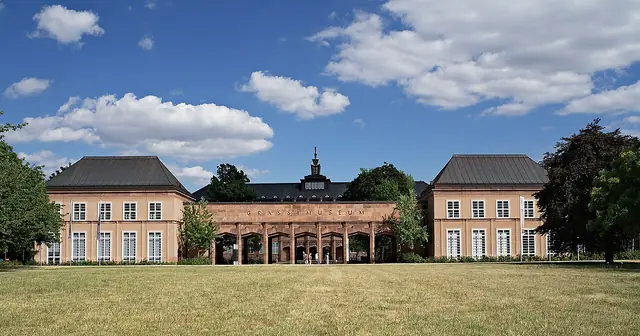
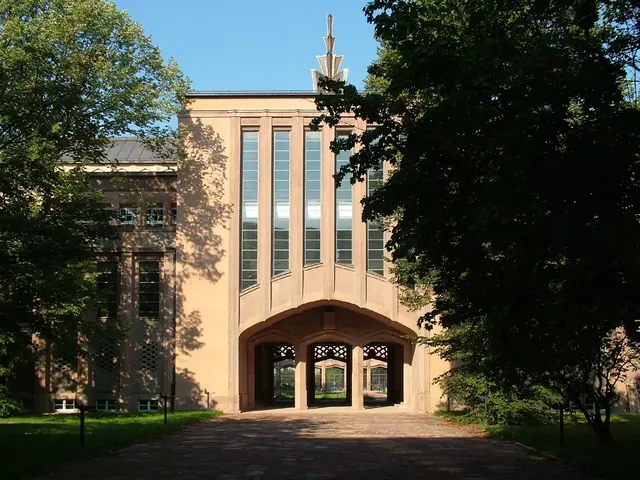
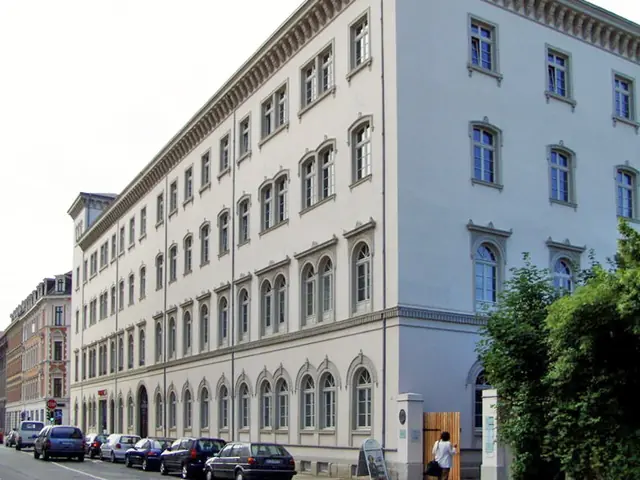
After Heyer's death, the Saxon state bought the collection in 1926 for the University of Leipzig, with a generous donation from music publisher Henri Hinrichsen (C. F. Peters). The city provided the north wing of the newly built Grassimuseum, where the museum opened on May 30, 1929.
In December 1943 the building burned out after a bombing raid; the pianos of the Ibach collection, the archive and the library were lost, and holdings that had been moved elsewhere were only partly returned. From the early 1950s, the museum was gradually rebuilt and expanded through purchases and donations.
Today the collection comprises around 10,000 objects. The chronological tour "Die Suche nach dem vollkommenen Klang" (The Search for the Perfect Sound) leads through 13 chapters from the Renaissance to the 1950s, highlighting Leipzig's role as a city of music. It is complemented by a study collection with instruments from around the world and a sound lab for trying things out. The museum also serves the university's research and teaching.
Highlights
Fortepiano by Bartolomeo Cristofori from 1726
Playable cinema organ by M. Welte & Söhne with silent film screenings
Positive organ by Stephan Cuntz in the Renaissance hall
Spinet from 1693 made for Ferdinando de' Medici
Automatic musical instruments by the Leipzig company Hupfeld
Sound lab for listening, playing and experimenting
Permanent exhibitions
Die Suche nach dem vollkommenen Klang – Chronological tour from the Renaissance to the 1950s, focusing on Bach, Cristofori, Romanticism, Saxon instrument making and automatic musical instruments; sound samples let you hear the instruments.
Klanglabor – Hands-on area where visitors can try out instruments themselves and explore acoustic phenomena.
Founded
1929
Operated by
Universität Leipzig
Director
Stefan Hindtsche
Admission & discounts
Adults
€6
Reduced
€3School students, university students, trainees, people with a severe disability ID, holders of the Leipzig-Pass, Leipzig-Card and Ehrenamtspass (volunteer pass)
Children & teens
freefree up to age 18 · Children and teens up to age 18 free.
Seniors
–No senior discount.
Visitors with disabilities
€3companion free · Reduced with a severe disability ID (Schwerbehindertenausweis).
Students & apprentices
€3Students and staff of the University of Leipzig free; school and student groups free as part of a course.
Groups (8+ people)
€5 per personGuided tour for 8–25 people: €50 per group plus €5 admission per person; free cancellation up to 48 hours in advance.
Families
–No family ticket; free admission with the Familienpass Sachsen (Saxony family pass).
Free admission:every first Wednesday of the month (exceptions possible)
Cash only. Free admission also for press, ICOM and DMB members. Museum education programs €3 (60 min) or €5 (90 min or more) per person including admission, weekdays only. A joint combined ticket for the three GRASSI museums is currently not offered on the official websites. Concert prices vary by event.
Accessibility
Wheelchair accessible
Elevator
Accessible restroom
Accessible parking
Service dogs welcome
Tactile models & exhibits: no information
Sign language tours: no information
Easy-to-read materials: no information
Audio description: no information
Two accessible parking spaces on the east side (Täubchenweg), from there level access across the courtyard to the entrance; elevator to the right of the entrance stairs up to the ticket foyer, further elevators to all exhibition rooms. Accessible restroom with baby changing table in the ticket foyer, charging point for electric wheelchairs. Free folding stools; guide and signal dogs welcome.
Kids & families
Great for kids & families
Kids’ admission
free up to age 18
Family tours & workshops
Hands-on stations
Baby changing facilities
On selected Sundays at 14:30, "Familienzeit" (Family Time) with a guided tour followed by hands-on time in the sound lab, where visitors may play instruments themselves; holiday programs for elementary school children with registration. Baby changing tables in the GRASSI's accessible restrooms.
Getting there & parking
By public transit
Johannisplatz/Grassimuseum
Tram 4, 7, 12, 15 to Johannisplatz/Grassimuseum (two stops from the main train station).
By car
Parking available
No dedicated parking; the underground parking garage at Augustusplatz is recommended (museum approx. 300 m to the east). Two accessible parking spaces on the east side (Täubchenweg) with level access.
"Café im Grassi" in the building; museum shop (also online). Lockers at the coat check, larger luggage at the ticket desk by arrangement. Free municipal Wi-Fi in the foyers.
Events & venue rental
The museum hasn’t published any information on this – please ask the museum directly.
Plan your visit
Guided tours
yes
School programs
yes
Photography
Photography for private purposes permitted, without flash, tripod or selfie stick.
Good to know
Public Sunday guided tours, silent film screenings with cinema organ and concerts according to the events calendar. The instruments on display cannot be played, but numerous audio samples and the sound lab invite you to try things out. Book group tours and school programs through visitor services.