Through October 26, 2026
KMB-Jubilare 2026
Cabinet exhibition marking milestone birthdays of ceramic artists with long-standing ties to the friends' association, including Walter Heufelder, Heidi Kippenberg and Claus Tittmann.
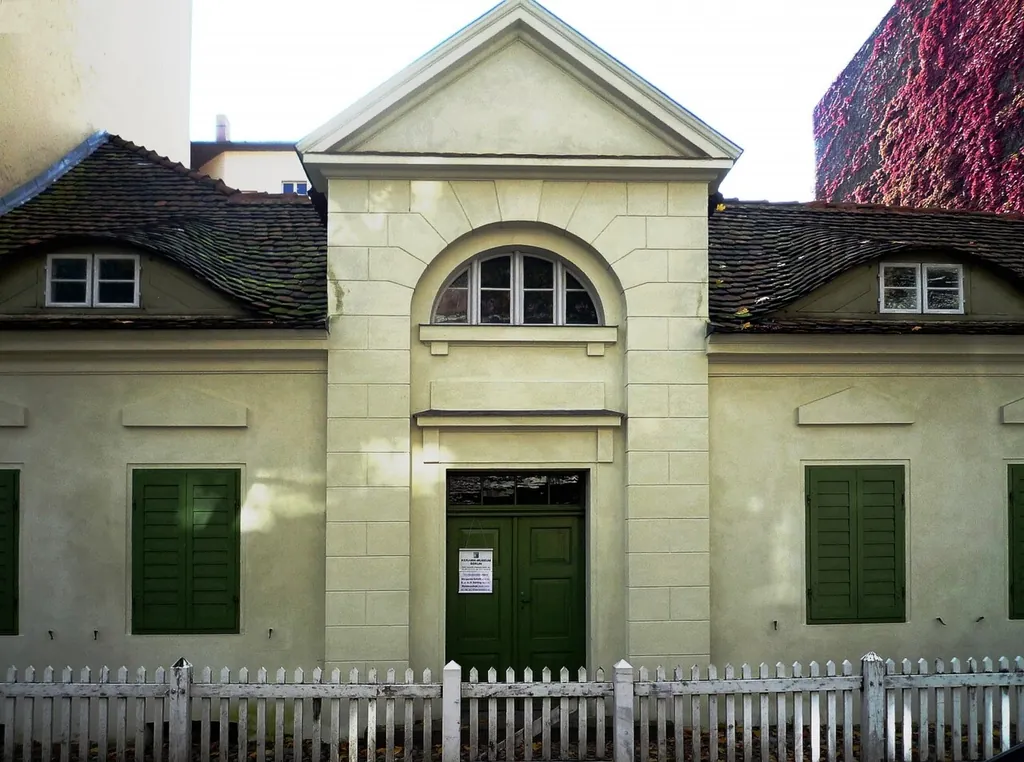
Volunteer-run museum of 19th- and 20th-century German ceramics in Charlottenburg's oldest town house, with changing exhibitions.
Through October 26, 2026
Cabinet exhibition marking milestone birthdays of ceramic artists with long-standing ties to the friends' association, including Walter Heufelder, Heidi Kippenberg and Claus Tittmann.
Through February 1, 2027
Around 100 ceramics with geometric spray-painted decoration, a decorative technique popular in the Weimar era – half of them from a private collection donated in 2026, along with cake plates, vases and everyday tableware from the museum's holdings.
Through May 16, 2027
Exhibition featuring the Michael Kossow collection, tracing stylistic currents in 20th-century ceramics.
The Keramik-Museum Berlin was founded in 1990 by a friends' association. The driving force was the collector, gallery owner and ceramics researcher Heinz-Joachim Theis, who has directed the museum ever since. The core of the collection was a large donation from the collector Karlheinz Fetzer; further donations and purchases expanded the holdings to many thousands of objects, complemented by an extensive archive and a specialist library.
The museum collects ceramics from the German cultural sphere in their full range – vessels, figures, architectural and stove ceramics made of faience, earthenware, stoneware or porcelain. Important manufactories, designers and ceramic artists are represented, from Historicism through Art Nouveau and Expressionism to the Bauhaus and Functionalism.
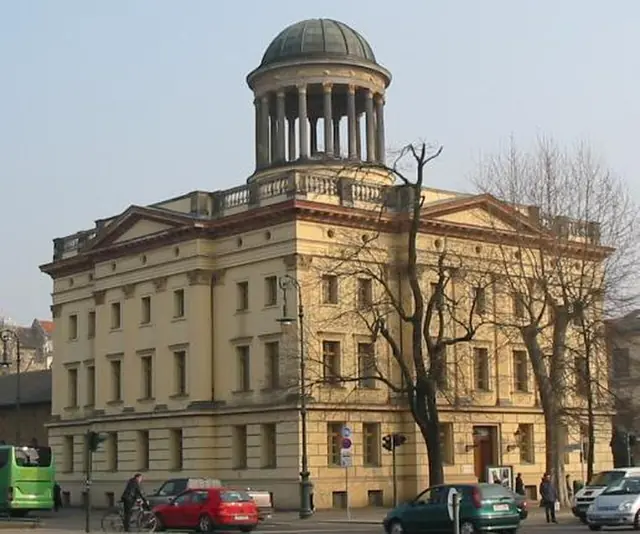
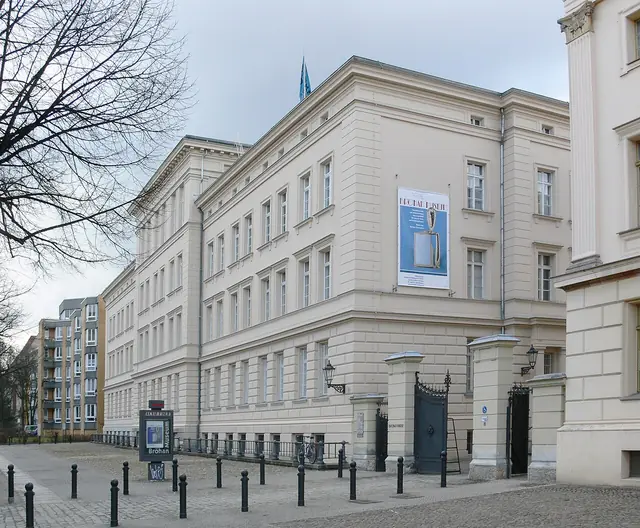
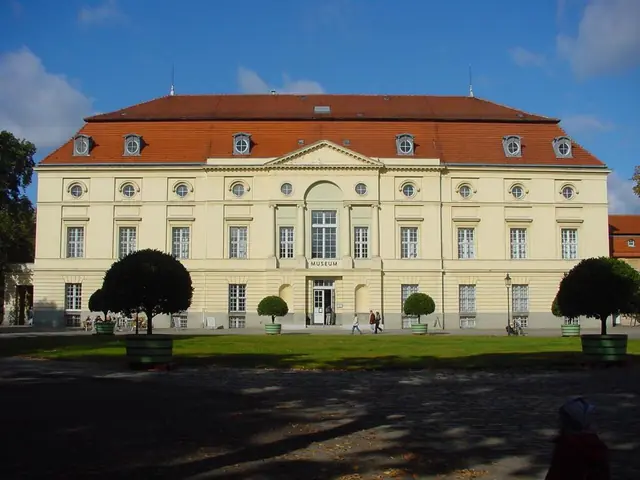
Since January 2004 the museum has been housed in the oldest surviving town house in Charlottenburg, a building erected in 1712 near Richard-Wagner-Platz. After an illegal demolition attempt in 1983, it was rebuilt using historical techniques and given a Neoclassical facade in the process. Instead of a permanent exhibition, the museum shows its holdings in changing presentations: in two rooms of the old house, in the small "Kabinett" in the first courtyard and in a larger hall behind the arcaded wall of a former ballroom. The museum is run largely by volunteers; lectures, guided tours and an annual ceramics flea market in the courtyards round out the program.
| Adults | €5 |
|---|---|
| Reduced | €3 |
During the ceramics flea market (second weekend in September), reduced admission of €2 for the exhibitions.
The small exhibition room "Kabinett" in the first courtyard can only be reached via a few steps; no further information on accessibility is available.
The museum hasn’t published any information on this – please ask the museum directly.
Richard-Wagner-Platz
U7 Richard-Wagner-Platz; bus M45 to Eosanderstraße, bus 109 to Haubachstraße.
Small museum shop with specialist literature on ceramics and the museum's own publications. The museum's specialist library.
The museum hasn’t published any information on this – please ask the museum directly.
| Guided tours | yes |
|---|---|
| Good to know | Guided tours by arrangement, including tours by the museum director. The museum is staffed by volunteers; the friends' association regularly offers lectures, workshops and excursions. |
Cookies help you use this website. We only load the map and statistics with your consent.