Letters, diaries, sheet music and historical recordings shed light on the Schumanns' Jewish friendships and the rise of antisemitism in the 19th century; part of the theme year “Tacheles 2026.”
About the museum
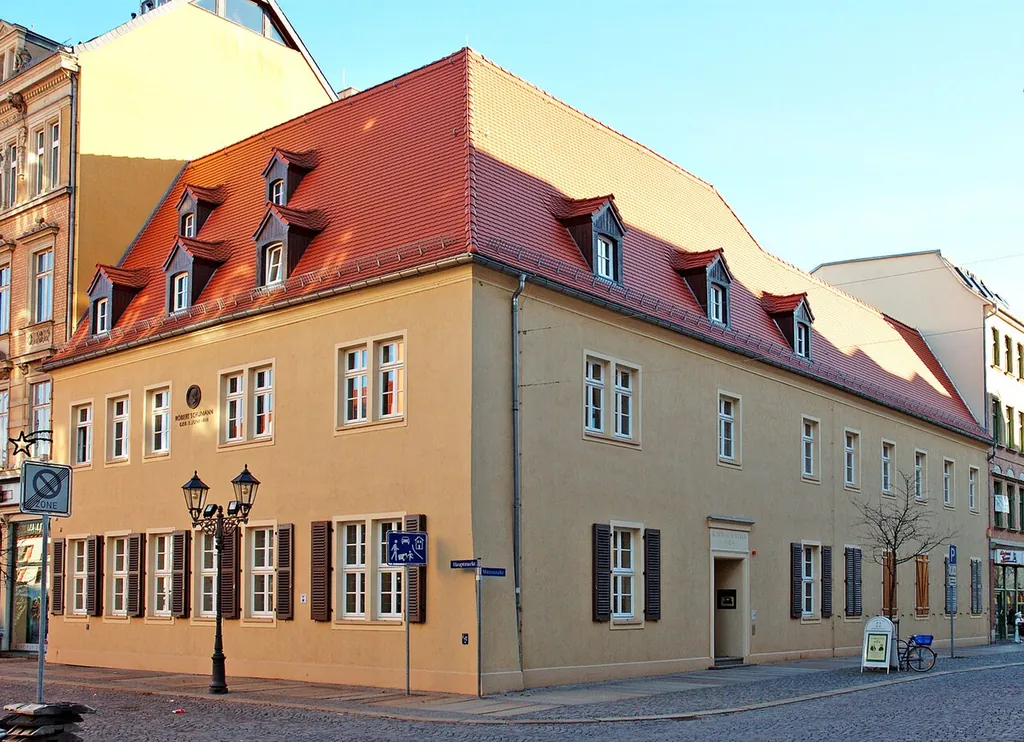
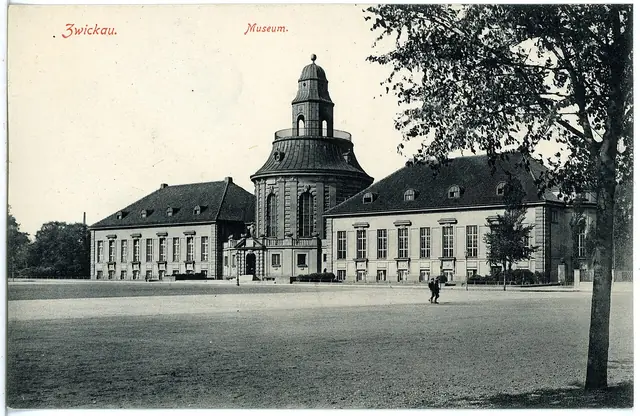
To mark the composer's 100th birthday, a Schumann museum was founded in Zwickau in 1910, initially housed in the municipal König-Albert-Museum. In 1914 the city bought the house on the Hauptmarkt where Robert Schumann was born on June 8, 1810, and where his father August had run a bookshop and publishing business. From 1935 the birth room was open to the public as a memorial room.
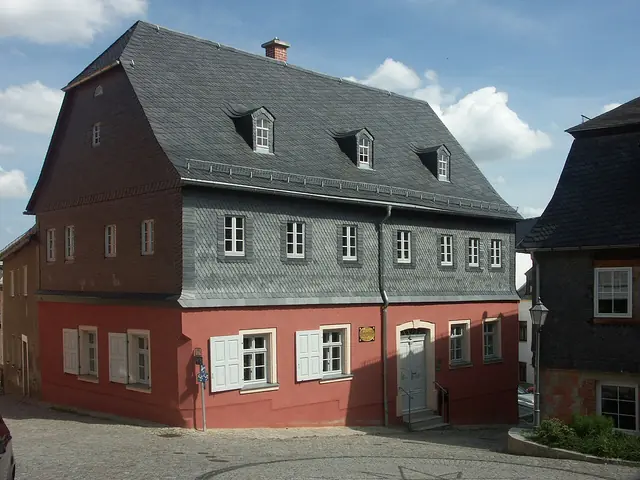
The collection was to move into the birthplace in time for the 1956 commemorative year. Because the building had been badly damaged, not least by a flood in 1954, a reconstructive new building was erected instead of a conversion, combining three neighboring houses and adding a concert hall. Opened on July 22, 1956, it is considered the first new museum building in the GDR and is a listed monument together with its furnishings.
The permanent exhibition was redesigned in the early 1990s and again in 2011; in eight rooms with more than 350 objects, it traces the lives of Robert and Clara Schumann. The house holds the world's most important collection of manuscripts, letters, portraits and personal belongings of the couple and is also a research center where projects including the edition of the Schumann letters are produced.
Among its best-known pieces is Clara Wieck's grand piano from 1828. Seven original 19th-century keyboard instruments are played during guided tours. Since 2005 the museum has been directed by Thomas Synofzik; it is run by the city of Zwickau and hosts the annual Schumann-Fest.
Highlights
Robert Schumann's birth room with personal belongings of the couple
Clara Wieck's grand piano (1828)
Seven historic keyboard instruments with demonstrations
World's largest collection of Schumann manuscripts and letters
Concert hall with about 140 seats
Musical marble run and sound installation in the exhibition
Permanent exhibitions
Robert und Clara Schumann – Leben und Werk – Eight rooms with more than 350 objects on the everyday life, work and family of the artist couple, complemented by listening stations and interactive elements.
Historische Tasteninstrumente – Seven original 19th-century pianos and grand pianos, including Clara Wieck's instrument, which are played during guided tours.
Founded
1910
Operated by
Stadt Zwickau
Director
Thomas Synofzik
Admission & discounts
Adults
€9
Reduced
€7School pupils and full-time students aged 18 and over, people with severe disabilities (degree of disability 50 or higher), holders of the Sächsische Ehrenamtskarte (Saxon volunteer card), and visitors with a ticket from the August Horch Museum (or, until April 30, 2027, from St. Mary's Cathedral) within six months
Children & teens
freefree up to age 17 · Children and teens free until their 18th birthday.
Seniors
–No senior discount listed.
Visitors with disabilities
€7companion free · Reduced admission for people with severe disabilities (degree of disability 50 or higher); one companion free if noted on the ID.
Students & apprentices
€7Full-time students (not auditors, part-time or distance-learning students).
Groups (10+ people)
€5 per personVisitors eligible for concessions pay €3.50 in groups. One tour group leader free. Guided tour (1 hour, with instrument demonstration) plus admission: €35 during opening hours, €70 outside; in a foreign language €45/€90.
Combination ticket (Priesterhäuser, Max-Pechstein-Museum im ZwischenRAUM, Robert-Schumann-Haus)
€10Reduced €7; valid on one opening day.
Photo/video permit
€3Per day and person, private use only.
Free admission:Free admission on the first Wednesday of every month
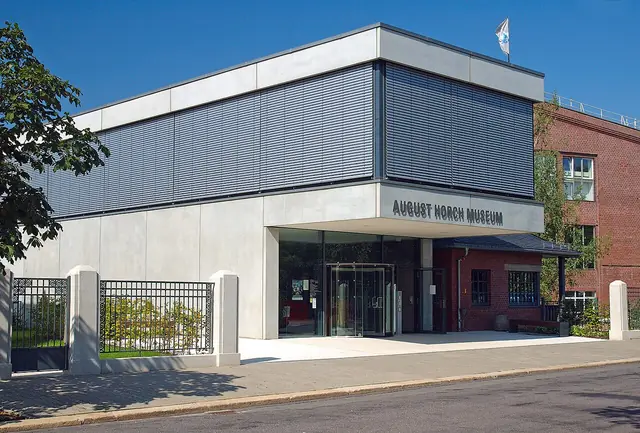
Also free for holders of the Zwickau-Pass and members of ICOM and the Museumsbund. Your ticket gets you reduced admission at the August Horch Museum.
Accessibility
Partially wheelchair accessible
Elevator: not available
Accessible restroom
Accessible parking
Service dogs welcome: no information
Tactile models & exhibits: no information
Sign language tours: no information
Easy-to-read materials: no information
Audio description
First floor with ticket desk, foyer, restroom and concert hall is accessible; entrance via a mobile ramp with a doorbell. The exhibition on the upper floor can be reached by stairlift. Loaner wheelchair available; audio guide for visually impaired visitors and video guides for deaf visitors.
Kids & families
Great for kids & families
Kids’ admission
free up to age 17
Family tours & workshops
Activity booklet, scavenger hunt or kids’ audio guide
Children's audio guide. Themed tours for children with making simple instruments or writing with quill and ink; film project "Museum in a Clip" for ages 9 to 19 (about 4 hours, free).
Getting there & parking
By public transit
Hauptmarkt
Streetcar line 3 to Hauptmarkt; Vogtlandbahn to the stop Zwickau Zentrum.
By car
Parking available
Parking at the Parkhaus Zentrum garage, in the underground garage and at the Ostspiegel Hauptmarkt parking lot.
Permitted for private purposes for a fee (€3 per day).
Good to know
Guided tours available in five languages and on various themes, with demonstrations on historic instruments; free for school classes and children's groups, or €1 per person for themed tours. Four audio guides (German, English, children, visually impaired).