Siegfrieds Mechanisches Musikkabinett
Germany's first museum of mechanical musical instruments: more than 400 self-playing instruments in Rüdesheim's Brömserhof, by guided tour only.
About the museum
Siegfried Wendel brought the idea back in the mid-1960s from his honeymoon in California, where he had been captivated by a collection of player pianos and music automatons. On October 17, 1969, he opened the "Erste Deutsche Museum für mechanische Musikinstrumente" (First German Museum of Mechanical Musical Instruments) in the local history museum of Hochheim am Main. Because space soon ran out, the collection moved in 1971 to a former winery in Hochheim that he had purchased specifically for it, but visitors failed to come.
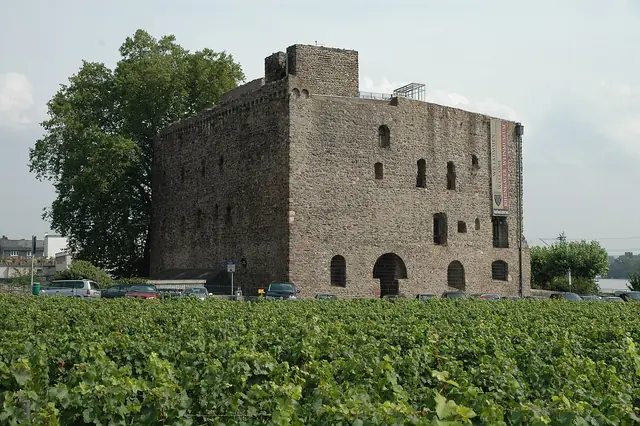
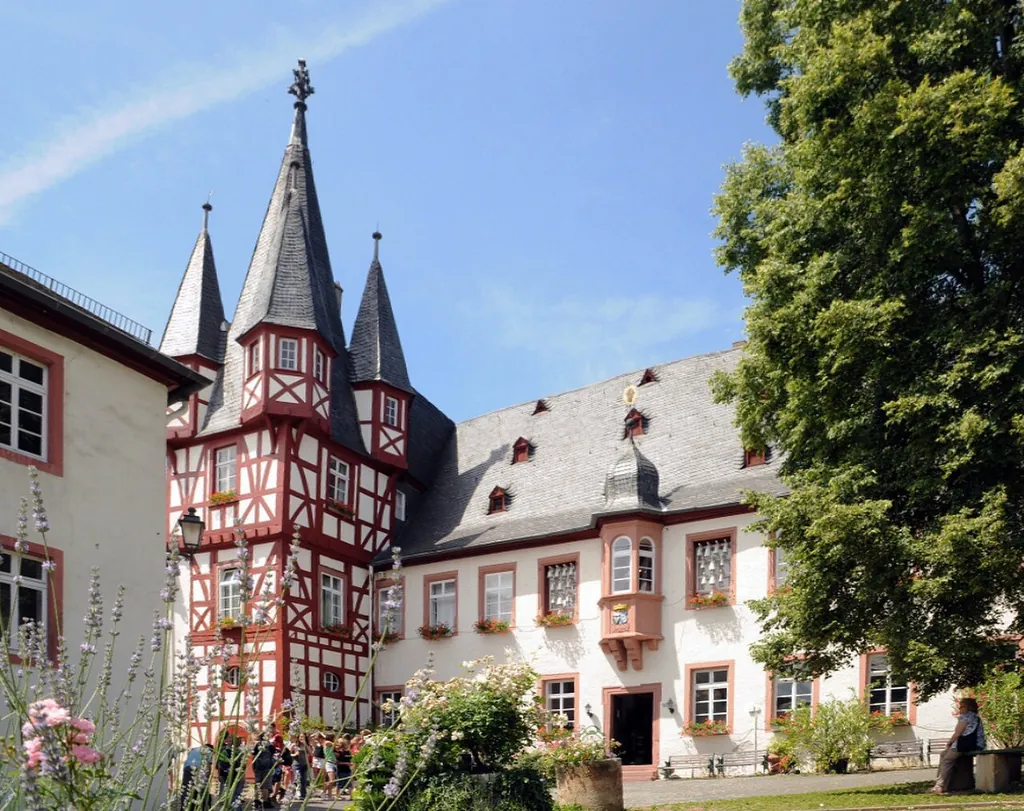
In 1973 Wendel moved to Rüdesheim am Rhein, initially into the building of the former winegrowers' cooperative, and from then on called the museum "Siegfrieds mechanischer Musiksalon". Contacts with English tour guides brought the first groups, and the collection became known nationwide through a nighttime concert at Chancellor Helmut Schmidt's garden party in Bonn. When the rooms became too cramped and Rothenburg ob der Tauber showed interest, the town of Rüdesheim offered the Brömserhof on Oberstraße – a noble residence a few steps from the Drosselgasse whose oldest parts date back to the early 14th century.
The Wendel family has owned the building since 1998. Today son Jens Wendel and the third generation run the family business. The collection comprises more than 400 instruments from three centuries, from small music boxes to room-high orchestrions, which are demonstrated only during guided tours. The most recent additions are the two Marble Machines by Swedish musician Martin Molin of the band Wintergatan.
Highlights
- Large Weber Maesto orchestrion (around 1905)
- Hupfeld Violina (around 1910) with self-playing violins
- Welte-Mignon reproducing grand piano by Bechstein (around 1939)
- Marble Machine X by the band Wintergatan (on request)
- Historic Brömserhof above the Drosselgasse
Permanent exhibitions
- Mechanische Musikinstrumente aus drei Jahrhunderten – Guided tour of about 45 minutes in which music boxes, orchestrions, reproducing pianos and music automatons are explained and played.
- Wintergatans Marble Machines – The marble music machines of Swedish musician Martin Molin are part of the collection; the Marble Machine X can be viewed on request outside the main tour, while the first machine is currently not on display.
- Founded
- 1969
- Operated by
- Siegfrieds Mechanisches Musikkabinett GmbH & Co. Museum KG
Admission & discounts
| Adults | €12 |
|---|---|
| Reduced | €6Children, school students, university students and people with disabilities (proof on request) |
| Children & teens | €6Children pay the reduced price; the museum does not state an age limit for free admission. |
| Visitors with disabilities | €6 |
| Students & apprentices | €6 |
The guided tour is included in the admission price. Tickets for fixed tour times online or on site.
Accessibility
- Partially wheelchair accessible
- Elevator: no information
- Accessible restroom: no information
- Accessible parking: no information
- Service dogs welcome: no information
- Tactile models & exhibits: no information
- Sign language tours: no information
- Easy-to-read materials: no information
- Audio description: no information
Because the building is historic and listed, the museum is not fully accessible, according to the ticket shop.
Kids & families
Great for kids & families
- Family tours & workshops
Special tours for children and for family celebrations on request; children pay reduced admission.
Getting there & parking
The museum hasn’t published any information on this – please ask the museum directly.
Amenities & dining
The museum hasn’t published any information on this – please ask the museum directly.
Events & venue rental
The museum hasn’t published any information on this – please ask the museum directly.
Plan your visit
| Guided tours | yes · approx. 45 min |
|---|---|
| Good to know | Visits by guided tour only (included in admission), in nine languages. On public tours, the language depends on the majority of guests; printed explanations are available in 20 languages. As groups fill up quickly, reserving online, by phone or on site is recommended. Special tours, for example for children, as well as for family celebrations and corporate events, on request. |