Uruk-Warka-Sammlung Heidelberg
University collection with finds from the Mesopotamian city of Uruk, including around 3,000 cuneiform texts – regular visits from October 2026.
Have only individual sections read aloud
About the museum
The Uruk-Warka Collection is a permanent loan from the German Archaeological Institute to Heidelberg University. Its objects come from excavations the institute carried out in the 1950s and 1960s in Uruk, today Warka in southern Iraq. Because the finds could not go to the Pergamon Museum in then East Berlin for political reasons, they reached the city on the Neckar via Heidelberg Assyriologist Adam Falkenstein, who had taken part in the excavations.
Between 1995 and 2013, part of the holdings was on permanent display in the rooms of the Seminar for Languages and Cultures of the Ancient Near East. The collection was then moved to its new location at Marstallstraße 6, where it is to reopen to visitors after extensive construction work and a new concept.
The holdings include around 3,400 clay tablets and fragments with cuneiform writing and about 3,600 small finds such as mosaic inlays and jewelry, as well as sculptures, architectural decoration, ceramics and seals. They reflect more than six millennia of urban history, from the Chalcolithic (Copper Age) to the Sasanian era. A particularly important group of objects documents the prehistory and early history of the world's oldest writing. Organizationally, the collection belongs to the Heidelberg Zentrum Kulturelles Erbe (Heidelberg Center for Cultural Heritage).
Highlights
- Over 7,000 finds from the metropolis of Uruk (Warka)
- Around 3,000 cuneiform documents on the history of writing in the ancient Near East
- Objects on the prehistory and early history of humanity's oldest writing
- Evidence of early temple architecture from the 4th millennium BCE
- One of the largest collections of Mesopotamian artifacts in Germany
Permanent exhibition
- Uruk-Warka-Sammlung – Original finds from Uruk – from sculptures and ceramics to seals, jewelry and cuneiform tablets – tell the story of one of the oldest cities in the world.
- Founded
- 1950
- Operated by
- Universität Heidelberg (Seminar für Sprachen und Kulturen des Vorderen Orients, Assyriologie); Dauerleihgabe des Deutschen Archäologischen Instituts
- Director
- Kristina Sieckmeyer (Kuratorin)
Admission & discounts
Admission is free.
| Adults | free |
|---|
Admission is free according to the heiCOLLECTIONS collection portal.
Accessibility
- Wheelchair accessible
- Elevator: no information
- Accessible restroom: no information
- Accessible parking: no information
- Service dogs welcome: no information
- Tactile models & exhibits: no information
- Sign language tours: no information
- Easy-to-read materials: no information
- Audio description: no information
Kids & families
The museum hasn’t published any information on this.
Getting there & parking
By public transit
Marstallstraße
Bus to Universitätsplatz, Marstallstraße or Peterskirche.
By car
Parking available
Triplex underground garage (Sandgasse) and Engelblock parking garage (Untere Neckarstraße 44).
Amenities & dining
The museum hasn’t published any information on this.
Events & venue rental
The museum hasn’t published any information on this.
Plan your visit
| Guided tours | yes |
|---|---|
| School programs | yes |
| Good to know | Guided tours and programs tailored to courses, excursions and student groups are available on request; for schools there are project days under the title "Uruk macht Schule!" (Uruk Goes to School). |
Museums nearby
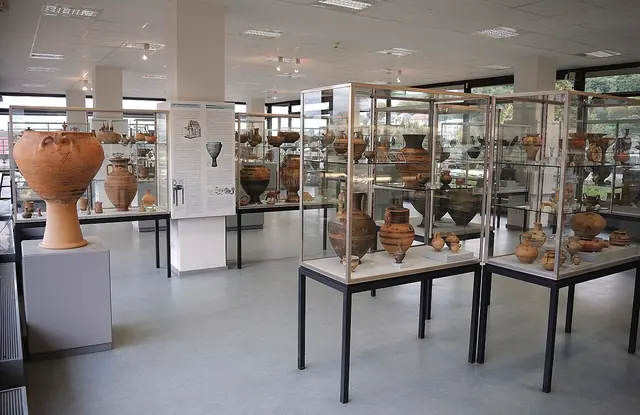
Antikensammlung der Universität Heidelberg
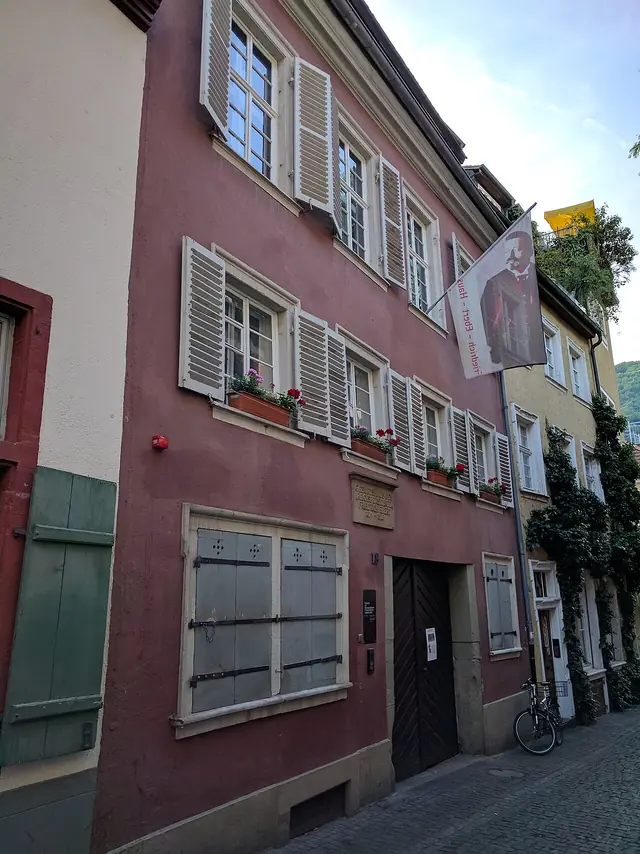
Reichspräsident-Friedrich-Ebert-Gedenkstätte
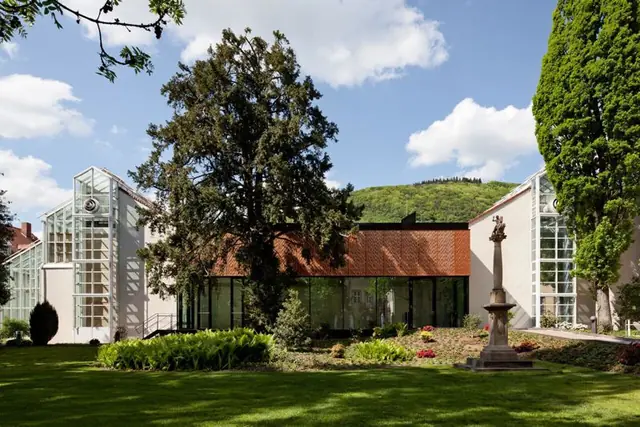
Heidelberger Kunstverein
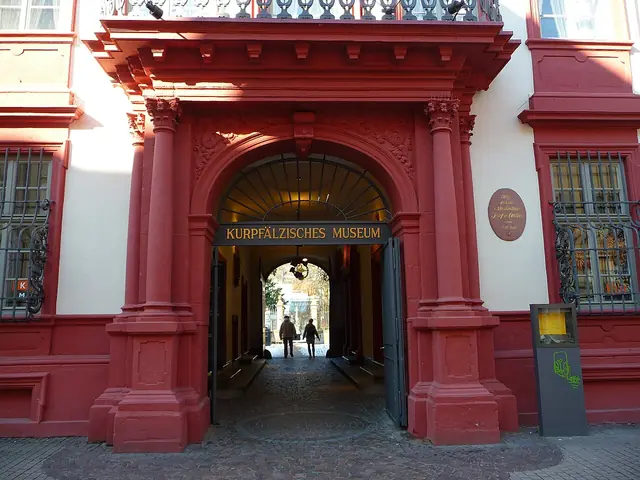
Kurpfälzisches Museum Heidelberg
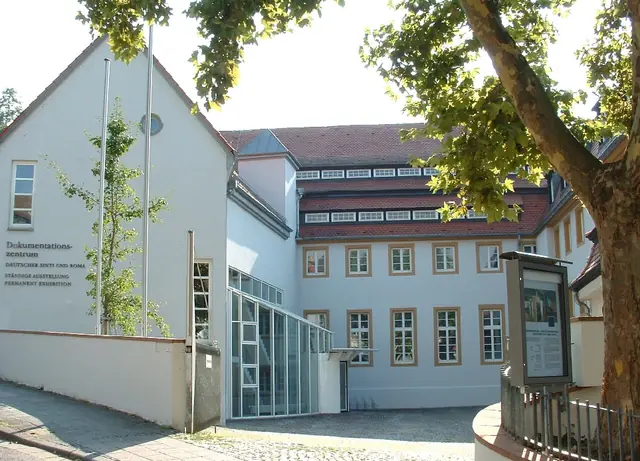
Dokumentations- und Kulturzentrum Deutscher Sinti und Roma
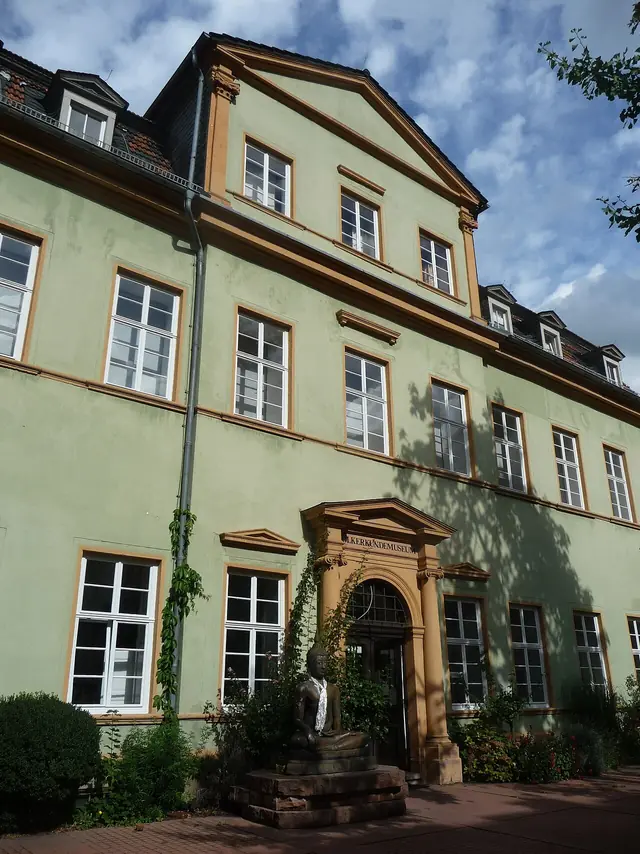
Völkerkundemuseum Heidelberg
All 13 museums in Heidelberg All museums in Baden-Württemberg