Urweltmuseum Aalen
Geology and paleontology museum in Aalen's old town hall, with giant ammonites, ichthyosaurs and around 1,000 fossils from the Jurassic sea.
About the museum
Aalen lies on the northern edge of the Swabian Alb, where rocks from all three divisions of the Jurassic are exposed; iron ore mining at the Braunenberg also brought countless fossils to light. The lower layers of the Middle Jurassic (Brauner Jura) are even named “Aalenian” after the town. Against this background, the city opened the Geologisch-Paläontologisches Museum in 1977, with content developed by members of the Geologengruppe Ostalb (Ostalb geologists' group) led by collector Fritz Sauter.
The core of the display collection came from Sauter's private collection. After his death, the museum was renamed Urweltmuseum (Museum of Prehistoric Life) in 1985. The Geologengruppe Ostalb e. V. still looks after the museum today, adds new finds to the collection and designs the program; its chairman Ulrich Sauerborn has headed the museum since 1988. In 1998 the museum was awarded the August Wetzler Medal.
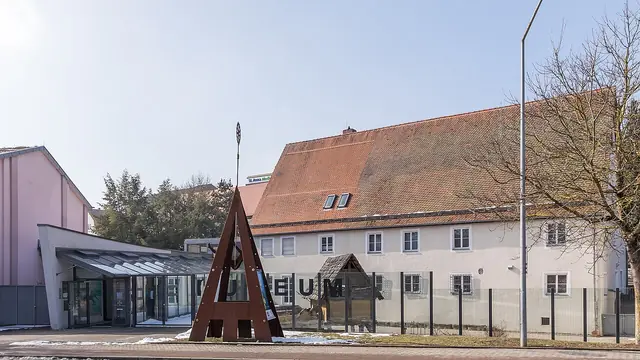
The exhibition occupies two floors of the historic town hall with its Spionturm (spy tower), directly above the tourist information office. The tour leads from the Triassic through the main focus, the Jurassic, to the Quaternary, showing ammonites, belemnites, sea lilies, corals and ichthyosaurs, including pyritized “golden ammonites” and giant ammonites. Panels explain the structure of the cuesta landscape, while reconstructions and hands-on objects bring prehistoric times to life; special exhibitions, lectures and activity days round out the program.
Highlights
- Giant ammonites and pyritized “golden ammonites”
- Ichthyosaur finds from the Jurassic sea of the Ostalb
- Around 1,000 prepared fossils, mostly from the surrounding area
- Historic town hall with its Spionturm (spy tower) as the museum building
- Children's birthday parties and programs for kindergartens
Permanent exhibitions
- Urwelt der Ostalb – vom Jurameer zum Schichtstufenland – Fossils from the Triassic to the Quaternary, with a focus on the Jurassic, explain how the Ostalb was formed and which animals lived in the shallow tropical sea.
- Founded
- 1977
- Operated by
- Stadt Aalen (Kulturamt) mit der Geologengruppe Ostalb e. V.
- Director
- Ulrich Sauerborn
Admission & discounts
| Adults | €2 |
|---|---|
| Reduced | €1.50 |
| Children & teens | freefree up to age 5 · Children up to age 5 free. |
| Groups (10+ people) | €1.50 per personPer person |
| Families | €5 |
| School classes | €1Per person |
Card payment is not possible on Saturdays from 12:30 or on Sundays and public holidays (outside the opening hours of the tourist information office).
Accessibility
The museum hasn’t published any information on this – please ask the museum directly.
Kids & families
Great for kids & families
| Kids’ admission | free up to age 5 |
|---|---|
| Family ticket | €5 |
- Family tours & workshops
- Hands-on stations
- Kids’ birthday parties
Children's birthday parties at the museum, programs for kindergartens and school classes; reconstructions and hands-on objects.
Getting there & parking
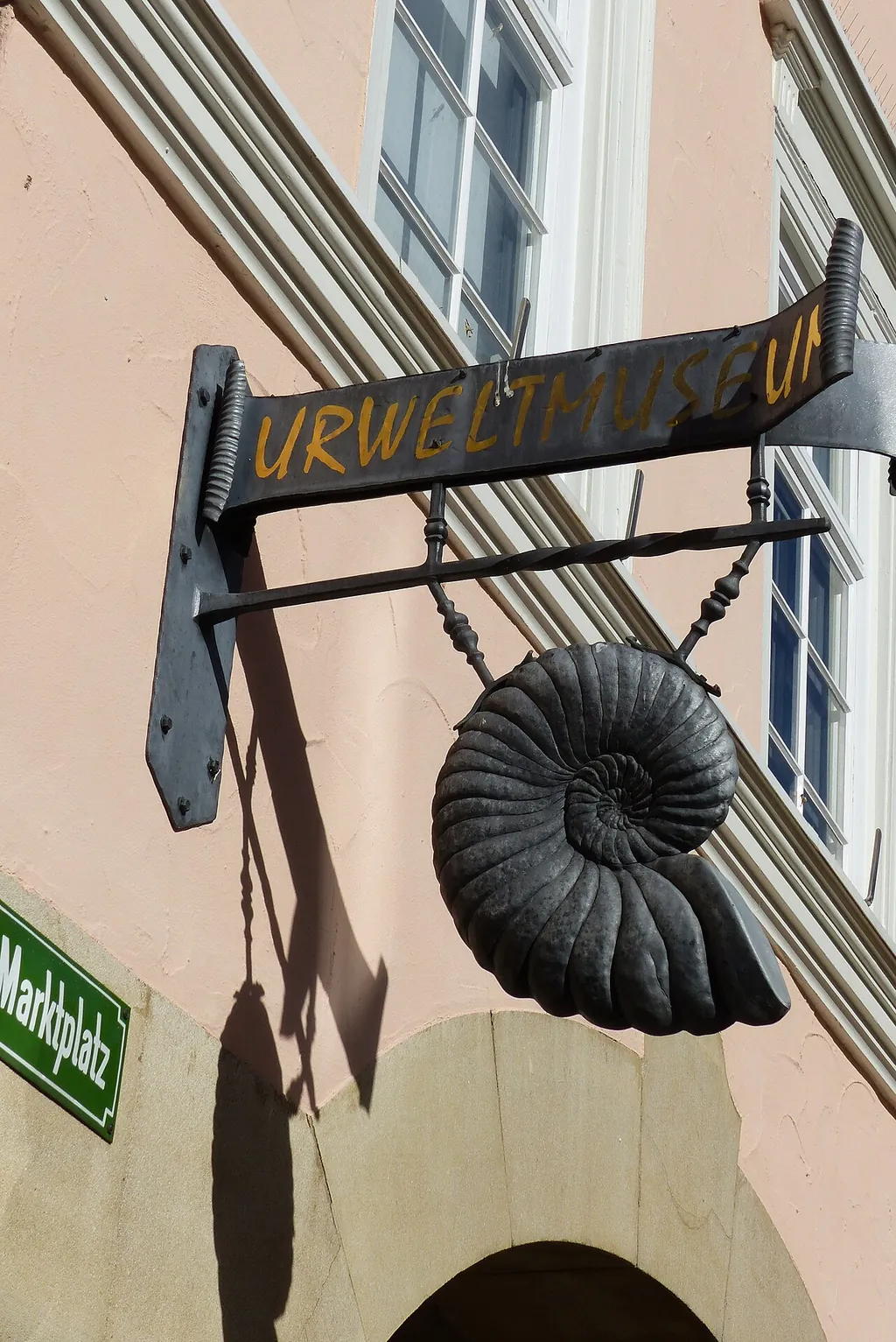
In the historic town hall (Spionturm) on the Marktplatz in Aalen's old town, in the same building as the tourist information office.
Get directionsAmenities & dining
- Museum shop
Museum shop with specialist literature, maps, fossils and minerals. The Aalen tourist information office is on the first floor of the building.
Events & venue rental
The museum hasn’t published any information on this – please ask the museum directly.
Plan your visit
| Guided tours | yes · approx. 45 min |
|---|---|
| School programs | yes |
| Good to know | Guided tours (approx. 45 minutes) on request; book tours and children's birthday parties by email to the museum (contact via the city's Kulturamt, or cultural office). The Geologengruppe Ostalb holds activity days with live fossil preparation and fossil identification. |