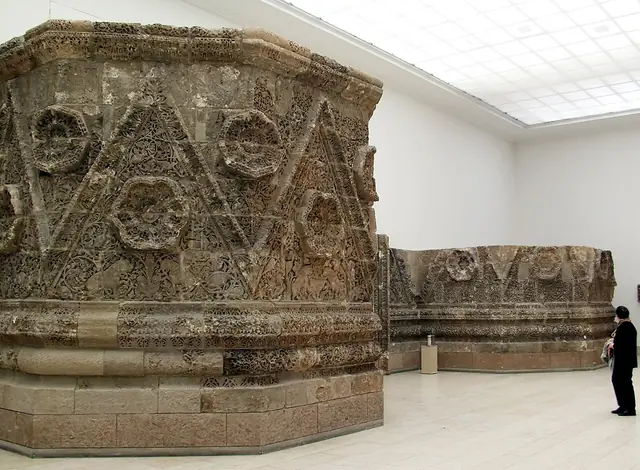
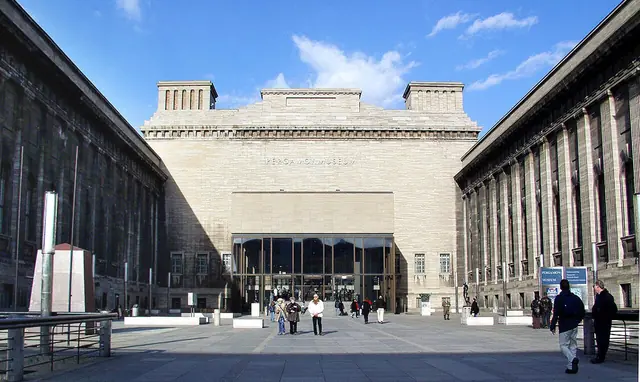
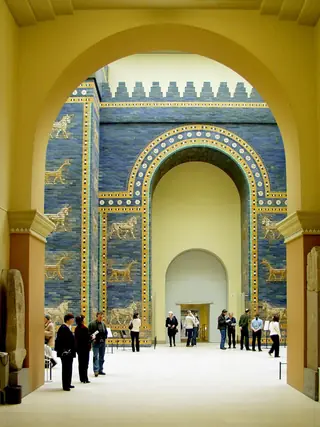
Collection of ancient Near Eastern cultures with the Ishtar Gate and Processional Way in the Pergamonmuseum; currently closed for renovation.
Temporarily closed (expected until 2027-06-04). The museum is located in the Pergamonmuseum, which has been completely closed for renovation since October 23, 2023. On June 4, 2027, the north wing and central section will reopen; the Vorderasiatisches Museum will then show a selection in the north wing, including a “Schaufenster” (showcase) in the Schlütersaal. The main holdings in the south wing (Ishtar Gate, Processional Way) are expected to remain closed until 2037. The collection can be explored online, for example through the virtual presentation “Babylon Reloaded”.
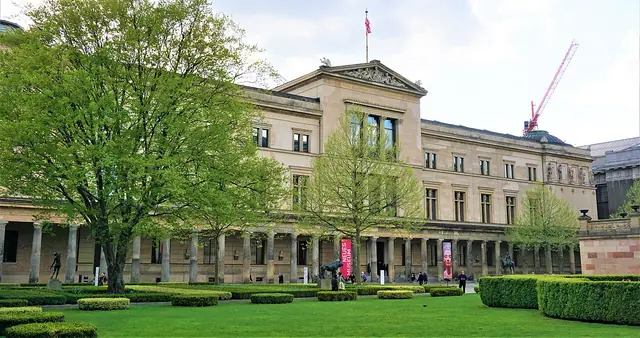
The exhibition in the Neues Museum traces the origins of the zodiac from Babylonia via Egypt to the Greco-Roman world (c. 400 BC to 400 AD) and shows objects from Berlin collections, some presented for the first time.
About the museum
The collection's beginnings go back to the mid-19th century, when Prussia acquired Assyrian reliefs. In 1899 a separate Near Eastern department was established at the Royal Museums. Its holdings grew rapidly through the excavations of the Deutsche Orient-Gesellschaft (German Oriental Society), for example in Babylon, Assur and Uruk; at first they were housed in the Neues Museum and the Kaiser-Friedrich-Museum.
The new Pergamonmuseum building, begun in 1907, included rooms in the south wing for the ancient Near Eastern finds. The display opened in 1930 and, under Walter Andrae, set new standards with monumental reconstructions such as the Ishtar Gate and the Processional Way of Babylon; further galleries followed until 1937.
In 14 galleries covering about 2,000 square meters, the museum presented six millennia of cultural history of the Sumerians, Babylonians, Assyrians, Hittites and other cultures from what is now Iraq, Syria, Turkey and Iran.
The Pergamonmuseum has been closed for a complete renovation since October 2023. When it partially reopens on June 4, 2027, the Vorderasiatisches Museum will show a selection in the north wing, including a “Schaufenster” (showcase) in the Schlütersaal as a foretaste of the future presentation. The south wing with the main holdings is expected to remain closed until 2037.
Highlights
Ishtar Gate and Processional Way from Babylon
Throne room facade of Nebuchadnezzar II
Architectural fragments from Uruk
Finds from Assur and Hittite reliefs
Founded
1899
Operated by
Staatliche Museen zu Berlin – Stiftung Preußischer Kulturbesitz
Director
Barbara Helwing
Admission & discounts
The museum hasn’t published any information on this.
Accessibility
Wheelchair accessible: no information
Elevator: no information
Accessible restroom: no information
Accessible parking: no information
Service dogs welcome
Tactile models & exhibits: no information
Sign language tours: no information
Easy-to-read materials: no information
Audio description: no information
Kids & families
The museum hasn’t published any information on this.
Getting there & parking
By public transit
Museumsinsel
U5 Museumsinsel; S-Bahn Friedrichstraße or Hackescher Markt; tram to Am Kupfergraben or Hackescher Markt; bus to U Museumsinsel.
By car
No on-site parking at the museum.
The Staatliche Museen do not list any parking and recommend arriving by public transport or bike.