Catacombe dei Cappuccini
Underground cemetery of the Capuchin convent with galleries of mummies and embalmed bodies, including the little Rosalia Lombardo.
Have only individual sections read aloud
About the museum
The Catacombs of the Capuchins arose as a burial place for the friars of the convent: the underground corridors were built in 1599, and the first to be buried there was Friar Silvestro da Gubbio. The discovery of 45 naturally mummified bodies brought a certain fame to the convent, and the friars began to receive a growing number of lay bodies. In 1783 they decided to grant burial to all those who could afford the cost of the embalming process.
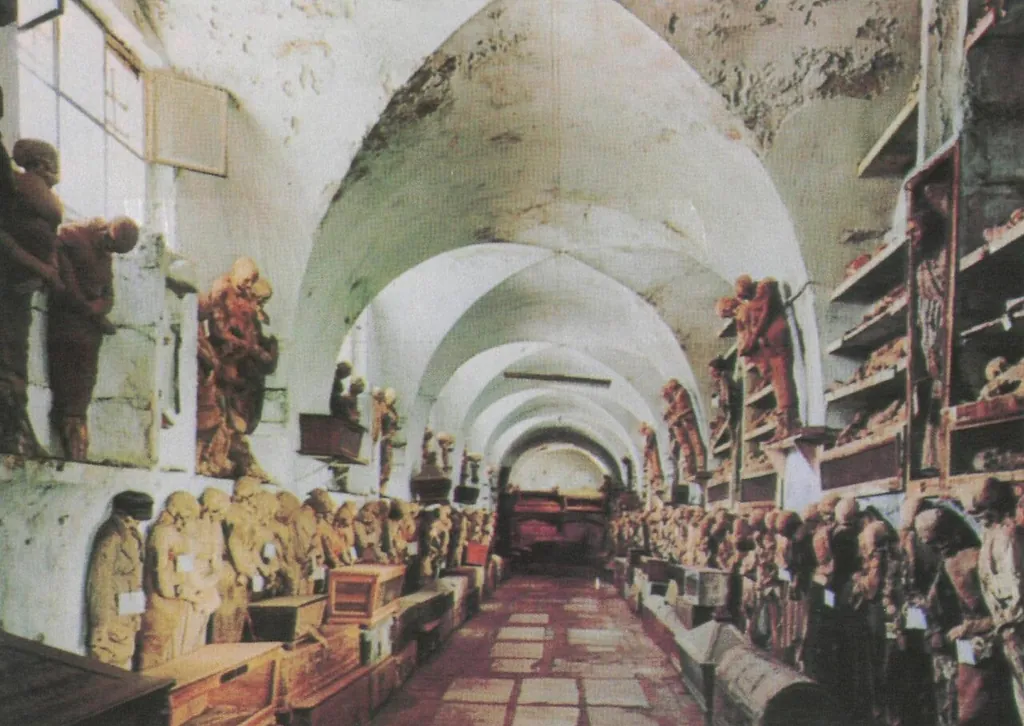
From the 17th to the 19th century thousands of people, above all Sicilian notables, entrusted the bodies of their dead to the friars. In exchange for donations, the bodies underwent a natural mummification that the Capuchins refined over time, and they were displayed in the corridors, divided by profession, sex and social condition. Relatives could not only mourn their loved one, but also see them and “pay them a visit” as if they were still part of the world of the living.
The cemetery was closed in 1880, except for the exceptional admission of two more bodies in the early 20th century: in 1911 that of Giovanni Paterniti, vice-consul of the United States, and in 1920 that of little Rosalia Lombardo, who died at the age of two and is today known as the “most beautiful mummy in the world”. Today the galleries, dug into the tuff, house about 2,000 skeletons and mummified bodies and are visited as a museum of death.
Highlights
- Corridors of mummified bodies divided by profession, sex and class
- Rosalia Lombardo, the “most beautiful mummy in the world” (1920)
- Galleries dug into the tuff
- Natural mummification techniques of the Capuchin friars
Permanent exhibition
- Catacombe e mummie – Underground galleries with mummified and embalmed bodies, placed in corridors divided by profession, sex and social class.
- Founded
- 1599
- Operated by
- Frati Minori Cappuccini di Palermo
Admission & discounts
| Adults | €5 |
|---|---|
| Reduced | €3 |
| Children & teens | –There is no minimum age; it depends on the child’s sensitivity. |
| Groups | –For large groups a prior phone call is advised; the maximum number of people is 120. |
Tickets are paid exclusively at the ticket office; the management does not authorise vendors or bank accounts for online purchases.
Accessibility
- Wheelchair accessible: not available
- Elevator: no information
- Accessible restroom: no information
- Accessible parking: no information
- Service dogs welcome: not available
- Tactile models & exhibits: no information
- Sign language tours: no information
- Easy-to-read materials: no information
- Audio description: no information
The nature of the site does not allow access for people with reduced mobility; it is advisable to contact the museum before the visit. Animals are not admitted, without exception.
Kids & families
| Time needed | approx. 30 min |
|---|
There is no minimum age for entry; it depends on the child’s sensitivity.
Getting there & parking
By public transit
Piazza Indipendenza / Palazzo Reale–Orleans · 15-min walk
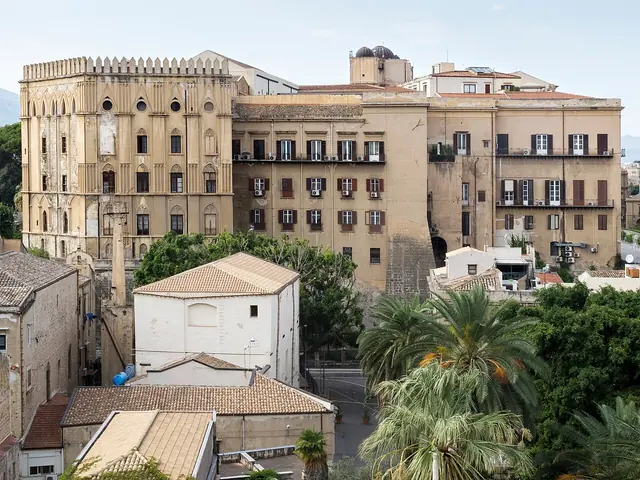
From the Stazione Centrale, bus 109 to Piazza Indipendenza, then 15 minutes on foot along via Cappuccini and via Pindemonte; or by metro to the Palazzo Reale–Orleans stop and then on foot.
By car
Parking available
Piazza Cappuccini also serves as a car park.
By car from the motorway, exit at Corso Calatafimi and turn left into via Pindemonte as far as Piazza Cappuccini.
Get directionsAmenities & dining
The museum hasn’t published any information on this.
Events & venue rental
The museum hasn’t published any information on this.
Plan your visit
| Guided tours | no |
|---|---|
| Good to know | Booking is not necessary, except for large groups. There is no guide inside, but staff can provide information. Visit duration: 20–30 minutes. |