Museo di Scultura Antica Giovanni Barracco
Small museum of comparative ancient sculpture with Egyptian, Assyrian, Cypriot, Greek and Etruscan works in the sixteenth-century “Farnesina ai Baullari”.
Have only individual sections read aloud
About the museum
The museum houses the collection of Giovanni Barracco (born 1829), a Calabrian nobleman and deputy of the first parliament of united Italy, who settled in Rome and formed a collection conceived as a “small museum of comparative ancient sculpture”. In the first catalogue, of 1893, the collector explains that he placed examples of Egyptian, Assyrian and Cypriot art alongside the Greek works, because Greek art could not be studied in depth without considering the older currents. For his purchases he relied on the advice of two experts, Wolfgang Helbig and Ludwig Pollak.
The collection includes Egyptian, Assyrian, Phoenician, Cypriot, Etruscan, Greek and Roman works, with a few medieval examples. Among the best-known pieces are the sphinx of a queen of the 18th dynasty, Assyrian reliefs from Nineveh, Nimrud and Khorsabad, the series of Cypriot sculptures and high-quality copies after originals by Myron, Phidias, Polyclitus and Lysippus, as well as Greek originals.
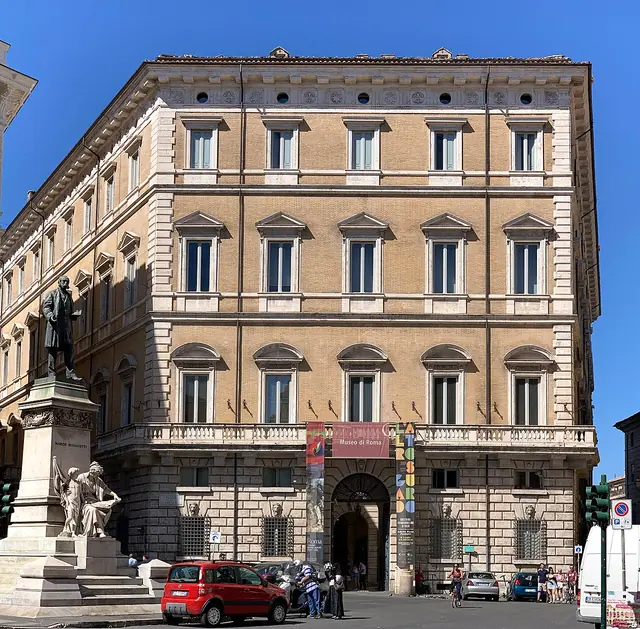
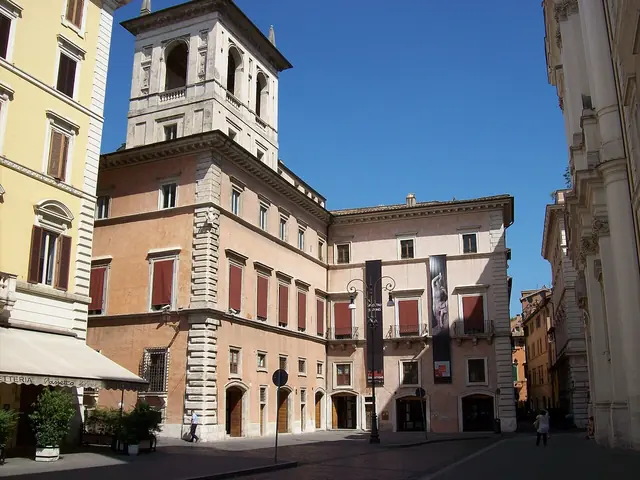
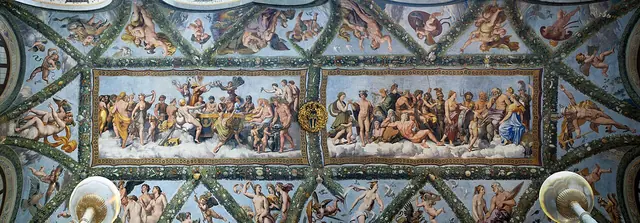
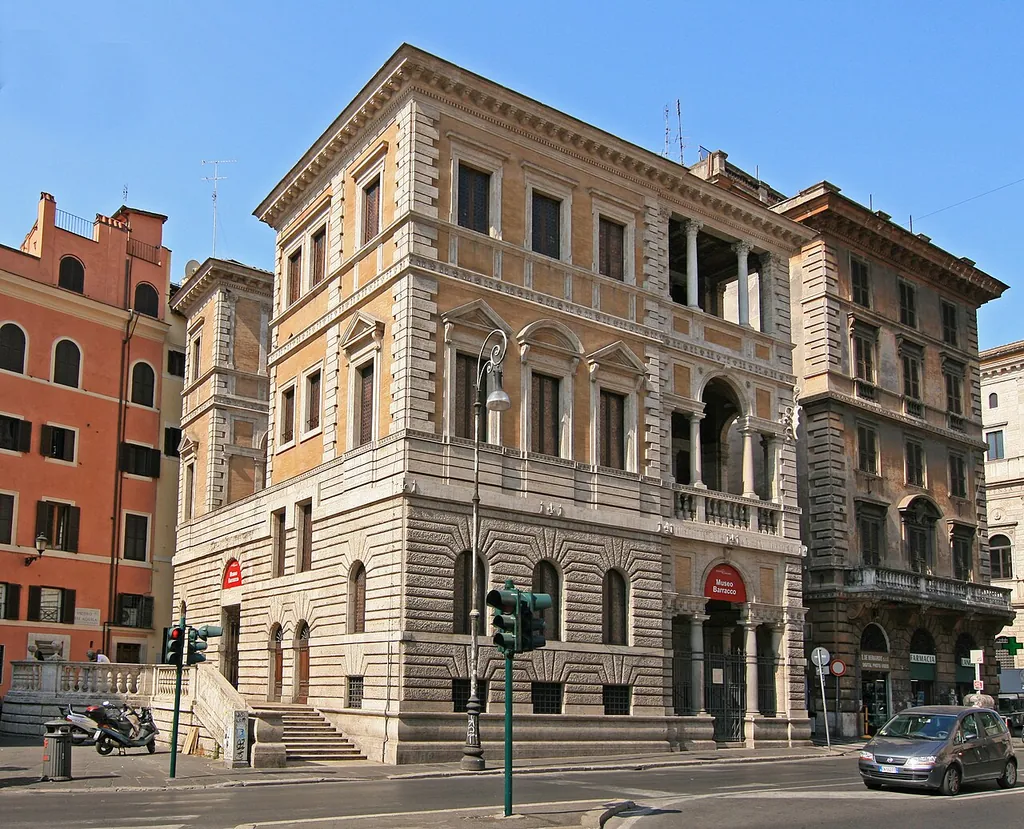
Since 1948 the collection has been housed in the “Farnesina ai Baullari”, an elegant palace built between 1520 and 1523 for the Breton prelate Thomas Le Roy. The name “Farnesina” derives from the lilies of France and the ermines in the decoration, mistaken for symbols of the Farnese family. During the works for the opening of Corso Vittorio Emanuele II (1886–1900), directed by Enrico Guj, the building was partly rebuilt and, in the basement, the remains of a Roman house of the 3rd–4th century AD were discovered.
Highlights
- Sphinx of a queen of the 18th dynasty and fragments of Egyptian funerary sculpture
- Assyrian reliefs from Nineveh, Nimrud and Khorsabad, with the kneeling winged genius
- Collection of Cypriot art, with the Herakles-Melqart and a small toy chariot
- Greek sculptures, originals and copies after Myron, Phidias, Polyclitus and Lysippus
- Remains of the Roman house in the basement (extraordinary opening)
- Sixteenth-century palace known as the Farnesina ai Baullari
Permanent exhibition
- Collezione Barracco di scultura antica – Egyptian, Assyrian, Phoenician, Cypriot, Etruscan, Greek and Roman sculptures across several rooms; since 1948 in the Farnesina ai Baullari.
- Founded
- 1904
- Operated by
- Roma Capitale – Sovrintendenza Capitolina ai Beni Culturali (Musei in Comune)
- Visitors per year
- approx. 29,504
Admission & discounts
| Adults | €7.50 |
|---|---|
| Reduced | €6 |
| Children & teens | freefree up to age 5 · Free admission under 6. |
| Visitors with disabilities | –companion free · Free admission for people with disabilities and one companion. |
| Groups (5+ people) | –Groups of 5 to 25 people plus the guide, only with free booking on 060608 and pre-purchase of at least 5 tickets; free school groups with booking (one companion for every 10 pupils). |
| Audio guide (Italian, English, French) | €4Only at the ticket office |
Free admission: First Sunday of the month.
Purchase at the ticket office on the day itself, payable by credit card, without an advance sales fee; pre-purchase online or by call centre on 060608 with an advance sales fee of €1. Free admission for residents of Rome and the Metropolitan City with identity card (from February 2026), and for holders of the MIC card (€5 per year, valid for 12 months within the Sistema Musei di Roma Capitale). Pre-purchased tickets are non-refundable and cannot be changed.
Accessibility
- Partially wheelchair accessible
- Elevator: not available
- Accessible restroom
- Accessible parking: no information
- Service dogs welcome: no information
- Tactile models & exhibits
- Sign language tours: no information
- Easy-to-read materials: no information
- Audio description: no information
For people with mobility disabilities only the ground floor is accessible, with entrance from vicolo dell'Aquila (ring the bell); the Roman house and the upper floors can only be reached by stairs. The accessible toilet is on the ground floor, through the small Gipsoteca (Sala Calchi). Tactile orientation map at the entrance, Braille captions for some works, LIS videos near the entrance and tactile-sensory guided tours on request.
Kids & families
| Kids’ admission | free up to age 5 |
|---|
- Family tours & workshops
- Stroller-friendly
Pushchairs are allowed in the museum. The museum offers educational activities for schools and for the public.
Getting there & parking
The museum is at the corner of via dei Baullari.
Get directionsAmenities & dining
- Museum shop
- Coat check
Free self-service cloakroom; small bookshop with guides and catalogues. Eating and drinking are not permitted in the museum.
Events & venue rental
The museum hasn’t published any information on this.
Plan your visit
| Guided tours | yes |
|---|---|
| Audio guide | yes (IT, EN, FR) |
| School programs | yes |
| Photography | Photos and videos of the works are permitted for personal and study use (not in temporary exhibitions), without tripods, selfie sticks or additional lights. |
| Good to know | Guided tours in several languages, paid and by reservation (060608, every day 9:00–19:00). Large bags or backpacks and umbrellas are not permitted; only small animals in a carrier. |