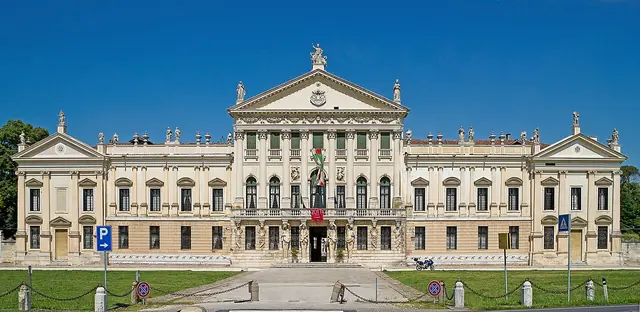
Museo Vincenzo Stefano Breda
Museum in the 18th-century Villa Breda in Ponte di Brenta, with sections on the municipal water and gas utilities, horse racing and the foundation’s historical archive.
Have only individual sections read aloud
About the museum
The Villa Breda complex is in Via San Marco, in Ponte di Brenta, and comprises the manor villa, formerly the residence of the Venetian patrician Contarini family, set in a historic park of about 75,000 m². The 18th-century complex was bought in 1859 by the Padua entrepreneur Vincenzo Breda and, between 1864 and 1865, was thoroughly restructured by the Vicenza architect Antonio Caregaro Negrin in an eclectic style.
In the park horses are still bred in the historic stables and trotters are trained on the track. The villa houses the museum, which is divided into three sections: the museum of the municipal water and gas utilities, the museum of horse racing and the museum with the historical archive of the charitable institution bearing the founder’s name. There are also a picture gallery, small bronzes, furniture, a library and historical archives.
Highlights
- Villa Contarini-Breda with eclectic remodelling by Antonio Caregaro Negrin
- Historic park of about 75,000 m² with stables and a trotting track
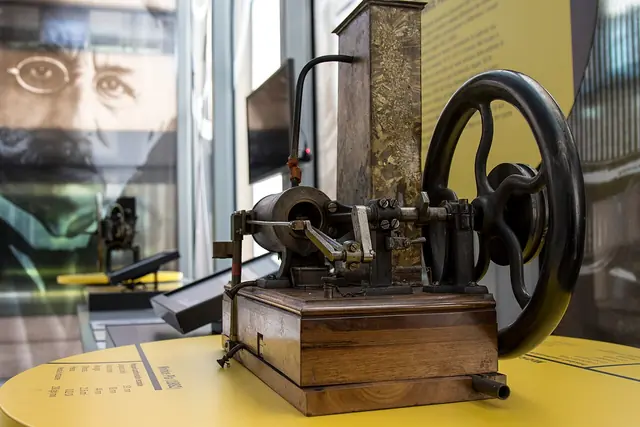
- Museum of the municipal water and gas utilities
- Museum of horse racing
- Picture gallery, small bronzes, furniture and library
Permanent exhibition
- Le sezioni del museo di Villa Breda – Museum of the water and gas utilities, museum of horse racing and museum with the historical archive of the charitable institution, with a picture gallery and bronzes.
- Operated by
- Fondazione Breda
Admission & discounts
The museum hasn’t published any information on this.
Accessibility
The museum hasn’t published any information on this.
Kids & families
The museum hasn’t published any information on this.
Getting there & parking
The museum hasn’t published any information on this.
Amenities & dining
The museum hasn’t published any information on this.
Events & venue rental
The museum hasn’t published any information on this.