Scuola Dalmata dei SS. Giorgio e Trifone
Former school of the Dalmatian community in Venice, which houses the cycle of canvases by Vittore Carpaccio painted between 1502 and 1510.
Have only individual sections read aloud
About the museum
The Scuole are ancient lay confraternities of Venice, some present in the city since the 9th century. Among the national Scuole, alongside those of the Greeks, Albanians, Lucchesi and Milanese, is the Scuola Dalmata, founded on 24 March 1451 by decree of the Council of Ten at the request of the Dalmatians living in Venice. It was a point of reference for Dalmatian sailors, craftsmen, merchants, shipowners and men of culture, with its own church where the relics of the patron saints Giorgio and Trifone were kept. Today it is still governed by a Guardian Grande and a Council of Chancery.
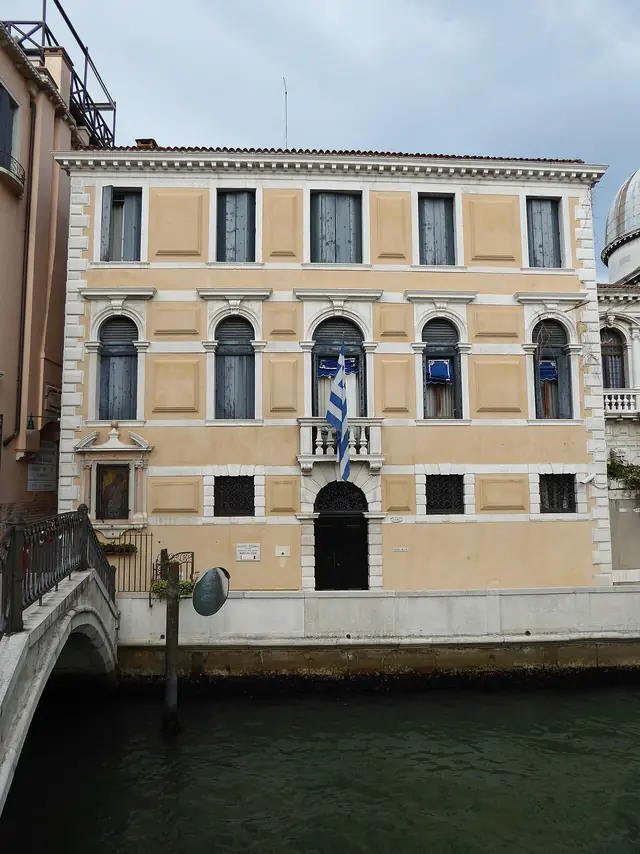
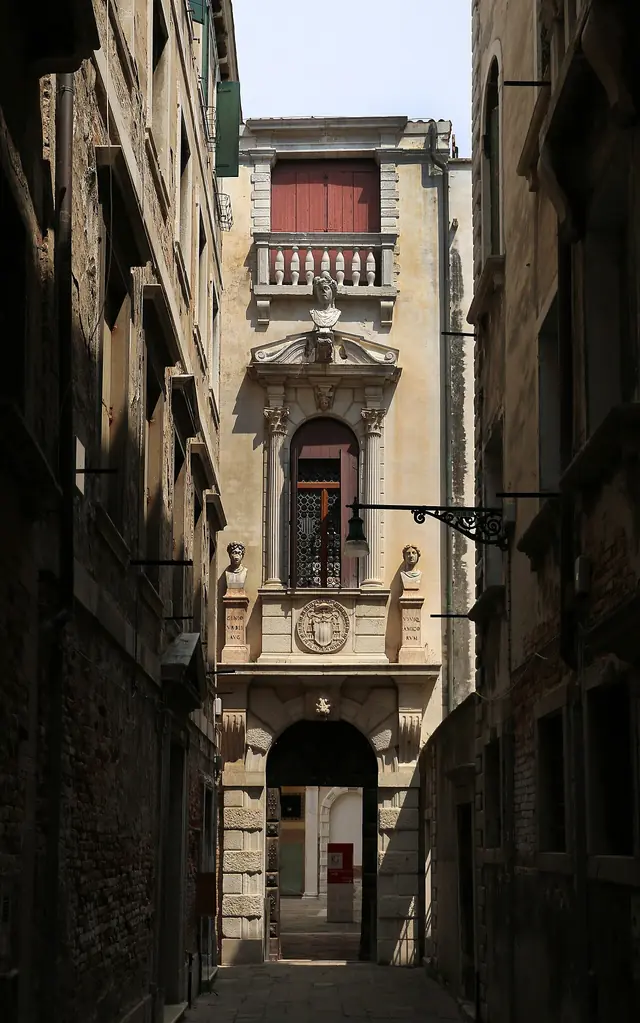
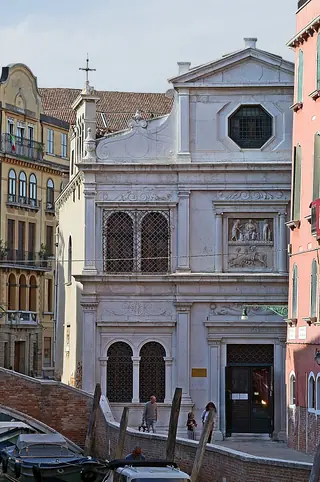
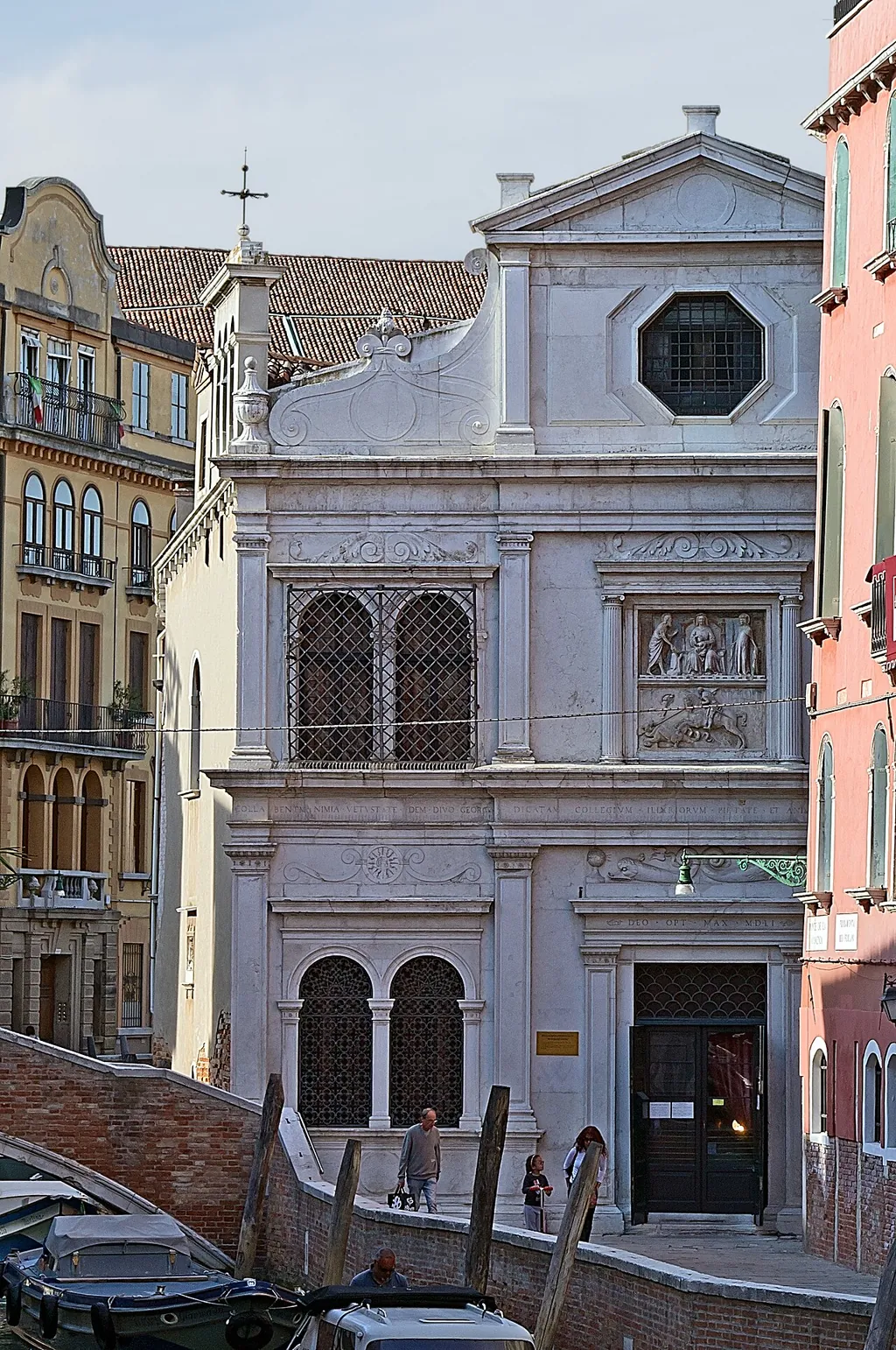
The present seat was rebuilt by Giovanni De Zon, who completed the works in 1551 on the traces of the earlier building. On the façade are a 14th-century sculpture of the Madonna and Child and a relief by Pietro da Salò of 1552 showing Saint George killing the dragon.
In 1806 Napoleon suppressed the Venetian Scuole but spared the Scuola Dalmata and the Scuola Grande di San Rocco; for this reason the interior is today one of the best preserved in Venice. Its main attraction is the cycle of canvases that Vittore Carpaccio painted between 1502 and 1510, which cover the walls of the lower hall.
Highlights
- Cycle of canvases by Vittore Carpaccio (1502–1510)
- Saint George Killing the Dragon and Triumph of Saint George
- Miracle of Saint Trifone and Death of Saint Jerome
- 17th-century wooden altar with an altarpiece attributed to Benedetto Carpaccio
- 16th-century façade with the relief of Saint George and the dragon
- Interior among the best preserved in Venice
Permanent exhibition
- Teleri di Vittore Carpaccio – In the lower hall, along all the walls, the cycle tells the stories of Saint George, Saint Trifone, Saint Jerome and gospel scenes, in gilded frames.
- Founded
- 1451
- Operated by
- Scuola Dalmata dei SS. Giorgio e Trifone
- Visitors per year
- approx. 22,000
Admission & discounts
The museum hasn’t published any information on this.
Accessibility
The museum hasn’t published any information on this.
Kids & families
The museum hasn’t published any information on this.
Getting there & parking
By public transit
From Venezia Santa Lucia station by vaporetto (water bus), with lines 2, 5.1, 5.2 and 4.2.
From Santa Lucia station it can also be reached on foot in about 33 minutes (about 2.6 km).
Get directionsAmenities & dining
The museum hasn’t published any information on this.
Events & venue rental
The museum hasn’t published any information on this.
Plan your visit
| Audio guide | yes (IT, EN, FR) |
|---|---|
| Good to know | Individual visits do not require booking; groups must book by writing to segreteria@scuoladalmatavenezia.com (requests accepted Monday to Friday 9:30–12:30). A maximum of 25 people may enter at a time. Paper guides in Italian, English, French and German, with a section on Carpaccio, are available in the church. |