Inquisitor’s Palace
Former seat of the Maltese Inquisition in Birgu, now a historic house museum and the national museum of ethnography, with tribunal and prison cells.
Have only individual sections read aloud
About the museum
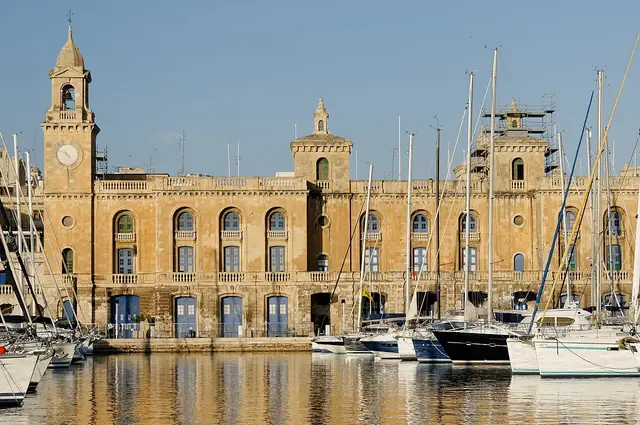
The palace in Birgu was built around the 1530s and first housed the Magna Curia Castellania Melitensis, the civil court of the Order of St John, until the court moved to the newly founded city of Valletta in 1572. Two years later Grand Master Jean de la Cassière offered the building to Pietro Dusina, the first Inquisitor and Apostolic Delegate sent to Malta by Pope Gregory XIII, and it has carried the name Inquisitor’s Palace ever since.
Until 1798 the inquisitors lived here as judges of the Holy Office and as representatives of the Vatican. The building combines a refined residence, designed to impress, with a tribunal and an austere prison complex. The French abolished the Inquisition when they arrived in 1798; the palace then served the French and British administrations and, after the Second World War, the Dominican Order.
Today Heritage Malta runs the palace both as a historic house museum and as the National Museum of Ethnography, which looks at the influence of the Inquisition on Maltese society and at the role of religion in everyday life. The visit leads from the historic kitchen on the ground floor through the halls and private rooms of the piano nobile to the tribunal chamber, the punitive cells and the prison. One wing is devoted to the National Textiles Collection, and the museum runs a lively programme of events and educational sessions.
Highlights
- Historic kitchen and domestic rooms of the palace
- Inquisitorial tribunal chamber, punitive cell and prison complex
- Inquisitor’s bedroom and grand staircase on the piano nobile
- Displays on religion, Good Friday and Easter traditions in Malta
- National Textiles Collection
- Guided tours on request
Permanent exhibitions
- Historic house of the Inquisitors – The historic kitchen, the halls and private rooms of the piano nobile, the tribunal chamber, the punitive cell and the prison show how the palace worked as residence, court and prison.
- National Museum of Ethnography – Displays on the impact of the Inquisition on Maltese society and on religion in daily life, including Good Friday and Easter traditions.
- National Textiles Collection – A wing of the palace is dedicated to the national collection of textiles.
- Operated by
- Heritage Malta
Admission & discounts
| Adults | €6 |
|---|---|
| Reduced | €4.50Youths aged 12 to 17, senior citizens aged 60 and over, concessions and students |
| Children & teens | €3free up to age 5 · Children aged 6 to 11; infants aged 1 to 5 enter free. |
| Seniors | €4.50Senior citizens aged 60 and over. |
| Students & apprentices | €4.50Concessions and students. |
Heritage Malta members and Heritage Malta Passport holders enter free.
Accessibility
- Partially wheelchair accessible
- Elevator: no information
- Accessible restroom: no information
- Accessible parking: no information
- Service dogs welcome: no information
- Tactile models & exhibits: no information
- Sign language tours: no information
- Easy-to-read materials: no information
- Audio description: no information
Some areas cannot be fully accessed by visitors with reduced mobility; the floors are uneven, the lighting is low and some doorways are low.
Kids & families
The museum hasn’t published any information on this.
Getting there & parking
By public transit
Heritage Malta points visitors to the public transport journey planner at publictransport.com.mt.
Amenities & dining
- Museum shop
Gift shop, food and drink and an indoor and outdoor seating area are available on site.
Events & venue rental
The museum hasn’t published any information on this.
Plan your visit
| Guided tours | yes |
|---|---|
| School programs | yes |
| Good to know | Guided tours can be requested through the Heritage Malta website. |