Loosduins Museum
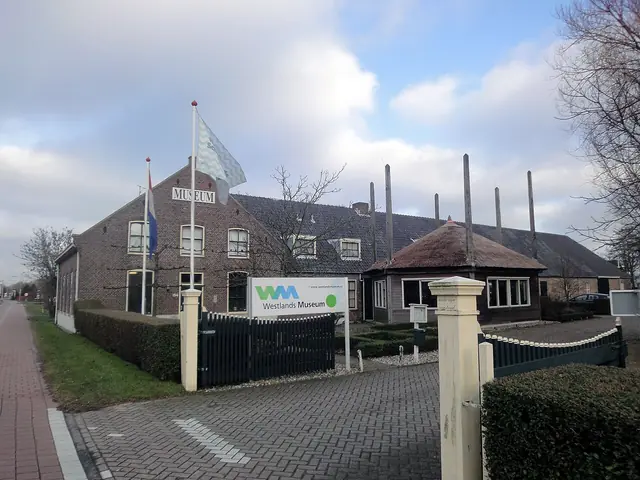
Volunteer-run local history museum in the Korenschuur by the windmill tells the history and horticultural tradition of Loosduinen.
Have only individual sections read aloud
About the museum
Loosduinen was once a village southwest of The Hague and is now a district of the city. Traces of settlement go back around 4,500 years; finds from the Roman period and from the Cananefates have survived. In the 12th century Count Floris III had a chapel built here, and around 1228 Floris IV and Machteld of Brabant founded a Cistercian abbey for women. The abbey church became famous through the legend of the "Miracle of Loosduinen": a countess is said to have given birth to 365 children on a Good Friday in 1276, which is why the place was a pilgrimage destination for centuries for women who longed for a child. From 1811 to 1923 Loosduinen was a municipality in its own right, after which it was incorporated into The Hague; the horticulture for which the area was long known later disappeared.
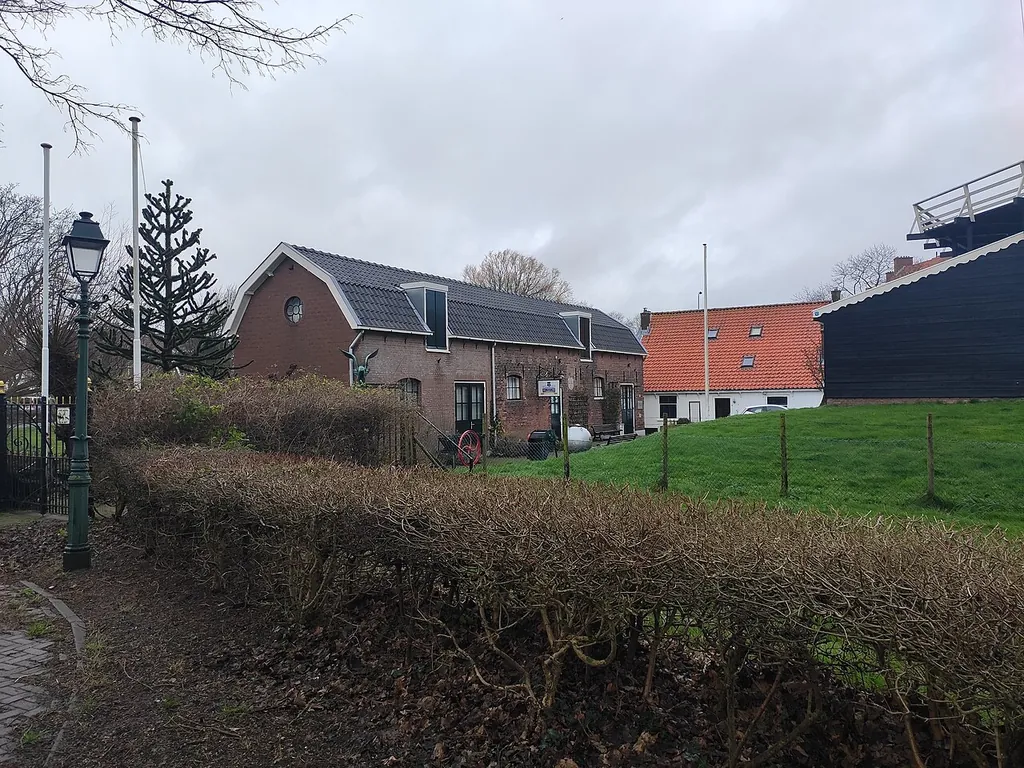
The Oud Loosduinen Foundation was established in February 1981 and opened the museum in the Korenschuur, a barn at the foot of the De Korenaer windmill, on 18 June 1983. The house is still run by volunteers today. The permanent exhibition in the attic, reopened in October 2014, is divided into four time-based themes: the formation of the area with its early inhabitants, estates and farms of the 16th to 18th centuries, the independent municipality, and agriculture and horticulture. It is complemented by a photo archive with class and club photos, an online collection and a genealogy working group that regularly offers open advice afternoons.
Highlights
- Permanent exhibition in the attic of the Korenschuur on the history of Loosduinen
- The legend of the "Miracle of Loosduinen" and the former Cistercian abbey
- Photo archive, class photos and online collection
- Open genealogy afternoon on the first Saturday of every month
- Volunteer-run museum at the De Korenaer windmill
Permanent exhibition
- Vaste tentoonstelling – Geschichte von Loosduinen – In the attic of the Korenschuur, photos, old maps and anecdotes show how Loosduinen developed, from the Romans and Cananefates through the abbey and the estates to horticulture.
- Founded
- 1983
- Operated by
- Stichting Oud Loosduinen
Admission & discounts
| Adults | €2.50 |
|---|---|
| Children & teens | €1Children up to and including 12 years pay €1. |
| Groups | –For special openings for groups, regular admission applies; additional programme elements are charged separately. |
The Museumkaart is not valid here (no free admission for Museumkaart holders).
Accessibility
- Wheelchair accessible: no information
- Elevator: no information
- Accessible restroom: no information
- Accessible parking: no information
- Service dogs welcome: no information
- Tactile models & exhibits: no information
- Sign language tours: no information
- Easy-to-read materials: no information
- Audio description: no information
The permanent exhibition is on the top floor of the Korenschuur; the museum does not publish information on lifts, wheelchair access or toilets.
Kids & families
Children up to 12 years pay €1 admission; primary school classes can take part in the school project on the history of The Hague and Loosduinen.
Getting there & parking
The museum is located in the restored Korenschuur directly at the foot of the De Korenaer windmill in the Loosduinen district.
Get directionsAmenities & dining
- Museum shop
Museum shop with books about Loosduinen, postcards, magnets, placemats and ties with the Loosduinen coat of arms.
Events & venue rental
The museum hasn’t published any information on this.
Plan your visit
| Guided tours | yes |
|---|---|
| School programs | yes |
| Photography | Photography and filming for private purposes is permitted; flash and tripods are prohibited. |
| Good to know | Groups can request a guided tour or a slide/video presentation (form on the website). For schools there is the project "The Birth of The Hague & Loosduinen" for grades 6 and 7. Children under 10 only when accompanied by adults; items larger than A4, bottles, food and drink are not allowed in the exhibition rooms; pets are not permitted. |