Nationaal Museum De Zwarte Tulp
Museum in a former flower bulb barn in Lisse on the history and culture of the flower bulb and the art it has inspired.
Have only individual sections read aloud
About the museum
The museum began operating in 1985 and celebrated its 40th anniversary on 31 August 2025. It was founded so that the craft of bulb growing, which shaped the region around Haarlem and later the sandy soils around Lisse for centuries, would not be forgotten. At first it was called Museum voor de Bollenstreek; the present name goes back to a suggestion by American visitors.
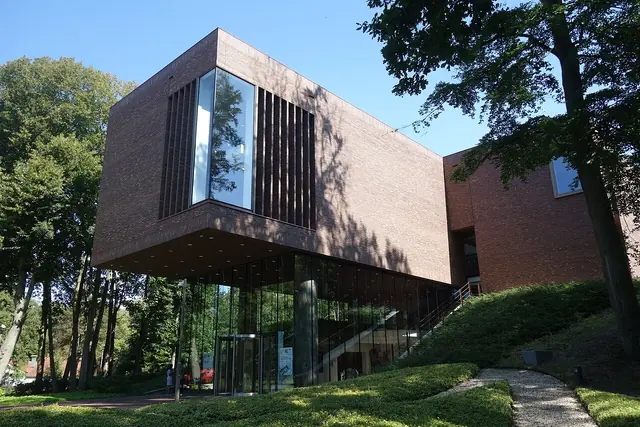
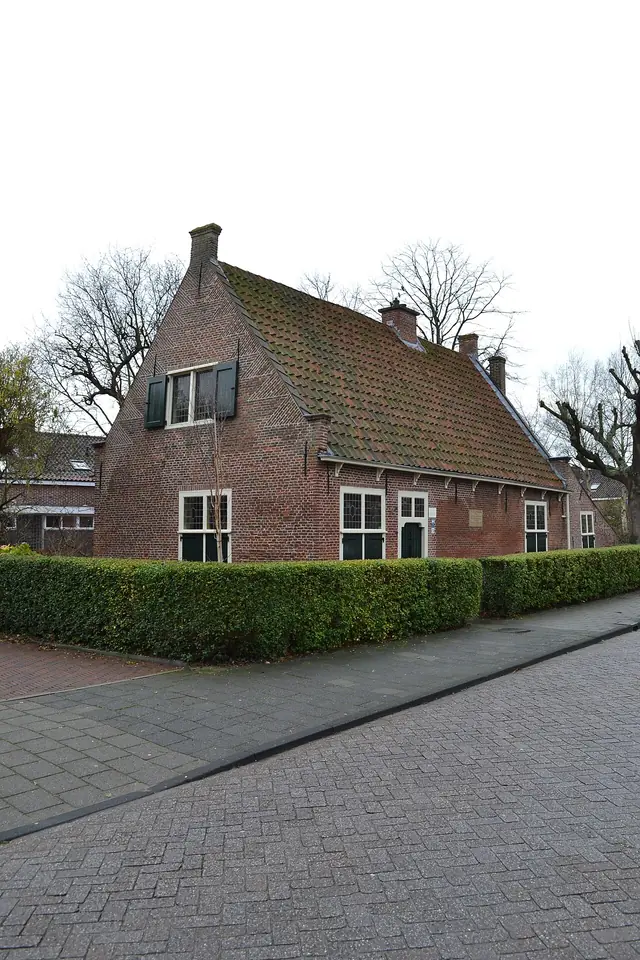
It is housed in a former bulb barn that was built not on the street but behind the farmhouse, in the second row on the bulb field – which is why the visitor entrance is at the back. Around the building there is a museum garden in which bulb plants bloom in season.
The permanent exhibition shows the annual cycle of bulb growing with tools, photos and film, a timeline from the introduction of the tulip in 1594 to the modern business, and the history of the bulb travellers and of breeding. Art adds to this: paintings of bulb fields and flower still lifes, silver, glass, ceramics and furniture with spring-flower motifs from the long-term loan of the De Witte Zwaan foundation, as well as collections of hyacinth glasses, tulip vases and crocus pots. The museum relies on the commitment of around 60 volunteers.
Highlights
- The bulb-growing year with historic tools, photos and film
- Timeline of bulb culture from the first tulip in 1594 to today
- Art on bulb fields and flower still lifes, De Witte Zwaan collection
- Collections of hyacinth glasses, tulip vases and crocus pots
- Museum garden and museum café
Permanent exhibitions
- Werken op het land – Bloembollencultuur – The annual cycle of bulb growing with tools, old photos and film, plus a timeline from the tulip in 1594 to the modern business, with objects from the estate of D. W. Lefeber.
- Kunst rund um die Zwiebel – Collectie De Witte Zwaan – Paintings of bulb fields and flower still lifes as well as ceramics, silver, glass and furniture with motifs of spring-flowering bulb plants.
- Hyazinthengläser, Tulpenvasen und Krokustöpfe – Collected hyacinth glasses, tulip vases and crocus pots from the 1950s that were donated to the museum.
- Founded
- 1985
- Director
- Marc van Brug
Admission & discounts
| Adults | €10 |
|---|---|
| Reduced | €5Young people aged 15–18, school pupils and their chaperones, Studentenpas |
| Children & teens | €5free up to age 14 · Children aged 15 to 18: €5; children aged 0 to 14: free |
| Visitors with disabilities | –companion free · Blind and visually impaired visitors, as well as paying adults who cannot move around the museum independently, may bring a companion free of charge |
| Students & apprentices | €5With Studentenpas |
| Groups | –Guided tours for groups of up to 15 people after registration (price: see additional tickets), school classes and their chaperones €5 |
| Group tour (up to 15 people, approx. 50 minutes) | €35In addition to admission; in Dutch, French, English or German; booking by email |
Tickets are available at the desk; no reservation is needed and there are no time slots. Free with Museumkaart and ICOM card; likewise for friends of the museum and members of the Gilde (admission for two people).
Accessibility
- Wheelchair accessible
- Elevator: no information
- Accessible restroom
- Accessible parking: no information
- Service dogs welcome: no information
- Tactile models & exhibits: no information
- Sign language tours: no information
- Easy-to-read materials: no information
- Audio description: no information
Wheelchairs and walkers can be used. A stairlift leads to the first floor, a wheelchair is available upstairs; the accessible toilet is downstairs by the cloakroom. Parking nearby is possible (observe the parking disc).
Kids & families
Great for kids & families
| Kids’ admission | free up to age 14 |
|---|
- Family tours & workshops
- Activity booklet, scavenger hunt or kids’ audio guide
- Hands-on stations
- Kids’ birthday parties: not available
Children have free admission, there are regular activities for 5- to 12-year-olds and treasure hunts (speurtochten) at the desk; in school programmes children may try out tools. Children’s parties are not possible at the museum.
Getting there & parking
By public transit
Lisse Centrum
All stops are called Lisse Centrum: from Schiphol bus line 361 (or Sprinter to Nieuw-Vennep, then bus 162); from Leiden Centraal bus line 50 or 250; from Haarlem bus line 250 or 50; from Noordwijk line 361 via Sassenheim station.
By car
Free parking
Car park at Grachtweg 2a right next to the museum (with parking disc); there are further parking options in the surrounding area.
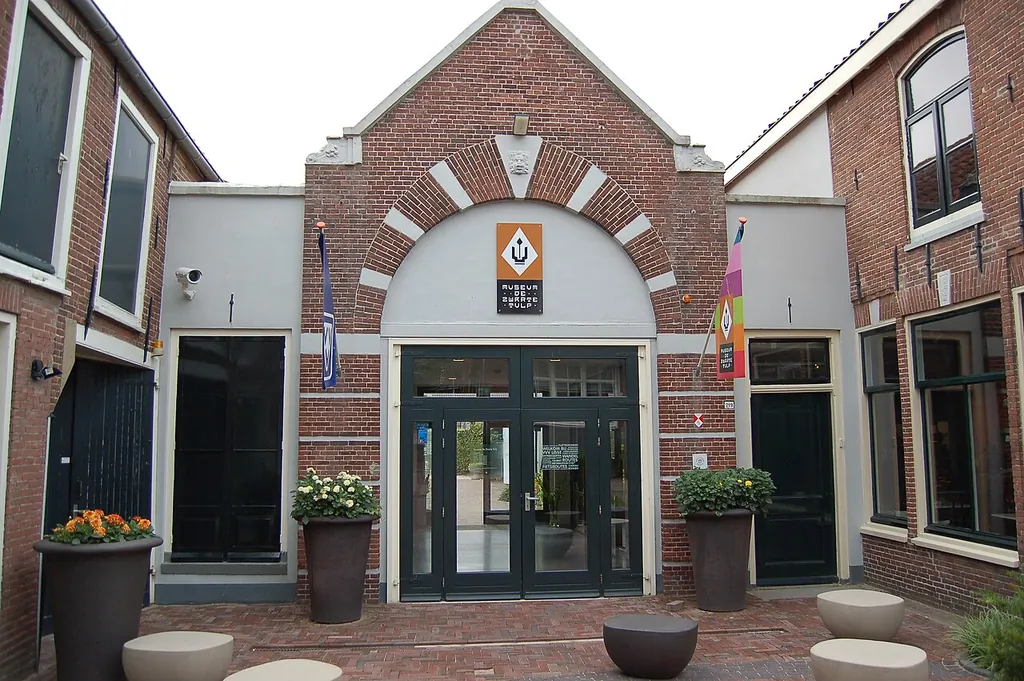
The museum is entered at the back of the building via the car park; the postal address is Heereweg 219.
Get directionsAmenities & dining
- Café
- Museum shop
- Coat check
- Wi-Fi
Museum café (coffee, tea, drinks) with a terrace in the garden, freely accessible museum shop with art books, Delft Blue and hand-painted ceramic bulbs; free Wi-Fi, charging point for e-bikes. The building is located at the gastronomic centre “het Vierkant”.
Events & venue rental
- Spaces for rent
- Private parties: not available
- Corporate events
- Weddings / ceremonies
Up to 50 guests.
The museum is a “Huis der Gemeente” (weddings possible). Available for hire are the Comparitie (up to 40 people, former director’s room in Neo-Renaissance style, business meetings only outside opening hours) and the Werktheater (up to 50 people, for lectures, meetings, workshops). Not suitable for parties, large receptions, dinners or children’s parties.
Inquiries & detailsPlan your visit
| Guided tours | yes · approx. 50 min |
|---|---|
| Audio guide | yes |
| School programs | yes |
| Good to know | Audio tour with 19 stops via QR code and smartphone, separate versions for children and adults. On Sundays at 2 p.m. a free introductory tour without registration; group tours by booking, plus a dementia-friendly tour (“Onvergetelijke rondleiding”). For primary schools there are free learning programmes for grades 5–8. |