Parque Arqueológico-Natural de la Campa Torres
Archaeological and natural park by the sea with an Iron Age hillfort, a museum, a lighthouse and a viewpoint; free admission.
Have only individual sections read aloud
About the museum
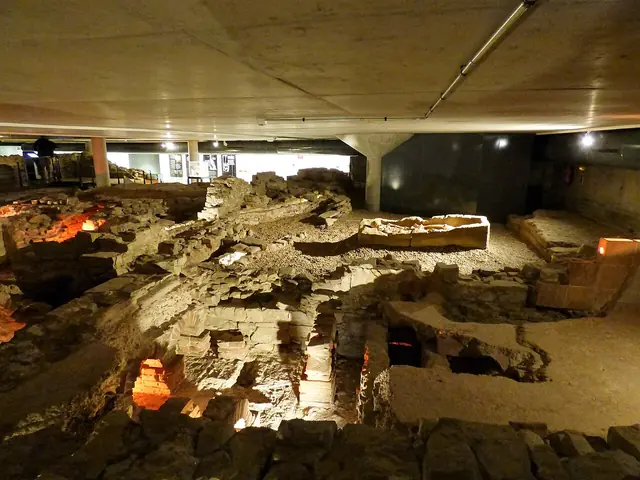
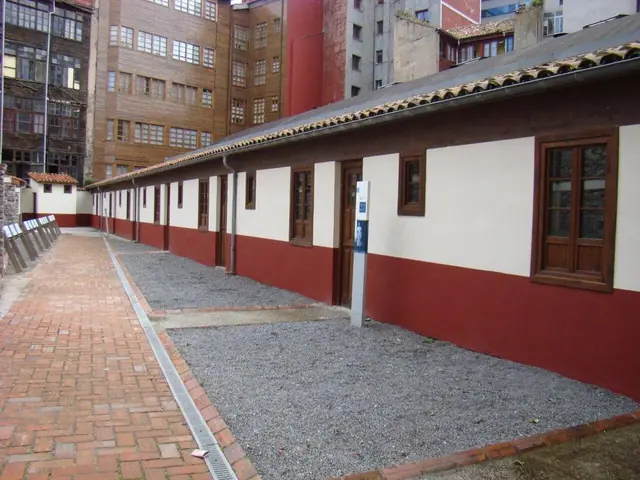
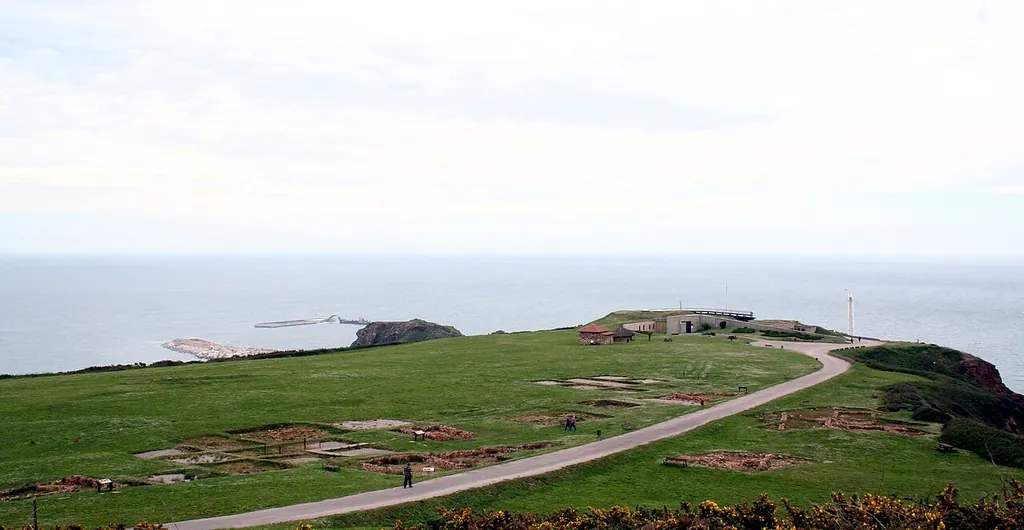
The Parque Arqueológico-Natural de la Campa Torres lies on Cape Torres, about seven kilometres from the centre of Gijón, on the western side of the bay. It opened in 1995 and forms part of the municipal archaeological museums, together with the Roman Baths of Campo Valdés and the Roman Villa of Veranes.
The site is the largest maritime fortified enclosure on the Asturian coast. According to researchers, its origins lie around the 6th–5th centuries BC, and it was inhabited mainly by people working in metallurgy, the Cilúrnigos. In the 1st century AD it was Romanised, and classical sources know it as oppidum Noega. With the founding of the Roman city of Gijón at the beginning of the 2nd century, the settlement was gradually abandoned.
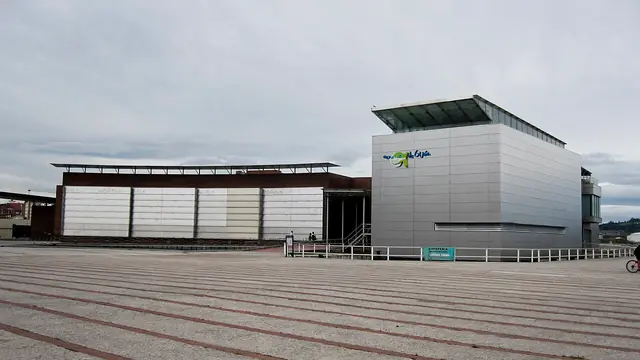
The visit combines three buildings: the reception, with an exhibition on the archaeology of the municipality; the museum, housed partly in a former coastal artillery battery, with the permanent exhibition on the settlement from its origins to the Roman period; and the Cape Torres lighthouse, dating from 1923, with an exhibition on the history of the building and its anchorage. A route of thirteen observation points explains the ditch, the counterscarp, the rampart and the dwellings, and the park is completed by a bird observatory and a viewpoint over the port of El Musel and Gijón.
Highlights
- Cilúrnigo hillfort occupied from the 6th–5th centuries BC until the Roman period
- Archaeological route with thirteen observation points
- Museum housed in a former coastal battery
- Cape Torres lighthouse (1923) with exhibition
- Viewpoint and bird observatory
- Free admission
Permanent exhibitions
- Exposición permanente del museo – Route through the history of the settlement from its origins to the Roman period, with remains from the excavations, models, texts, reproductions and images.
- Exposición de la recepción – Exhibition on the archaeology of the municipality of Gijón in the reception building at the entrance to the site.
- Exposición del faro del cabo Torres – On the ground floor of the lighthouse, built in 1923, the history of the port building, of Cape Torres and of its anchorage is explained.
- Founded
- 1995
- Operated by
- Ayuntamiento de Gijón
Admission & discounts
Admission is free.
Free admission.
Accessibility
- Wheelchair accessible: no information
- Elevator: no information
- Accessible restroom: no information
- Accessible parking: no information
- Service dogs welcome: no information
- Tactile models & exhibits: no information
- Sign language tours: no information
- Easy-to-read materials: no information
- Audio description: no information
The park has the Accessibility Seal of the Gijón City Council and an accessibility sheet that can be downloaded from its website.
Kids & families
- Family tours & workshops
The park organises educational activities and historical re-enactment days for all audiences.
Getting there & parking
By public transit
Campa de Torres
Bus lines L21 (stop 337, Campa de Torres) and LM1 (Campa Torres stop).
The park is on Cape Torres, about seven kilometres from the centre of Gijón.
Get directionsAmenities & dining
The museum hasn’t published any information on this.
Events & venue rental
The museum hasn’t published any information on this.
Plan your visit
| Guided tours | yes |
|---|---|
| School programs | yes |
| Good to know | The park offers guided visits and itineraries, school programmes, lectures and historical re-enactment days; groups must book guided visits. There is a documentation centre (library, photo archive and newspaper archive) open free of charge Monday to Friday 9:00–14:00, with prior booking by telephone recommended. |