Museo del Azafrán y Etnográfico
Municipal museum in the former Baroque convent of San Francisco, devoted to saffron cultivation and traditional La Mancha life.
Have only individual sections read aloud
About the museum
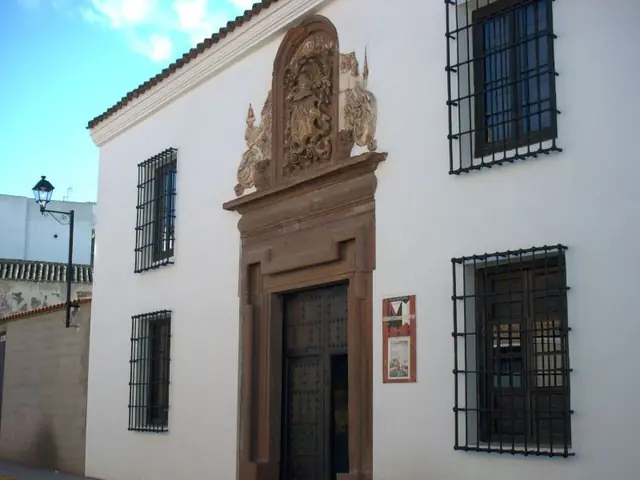
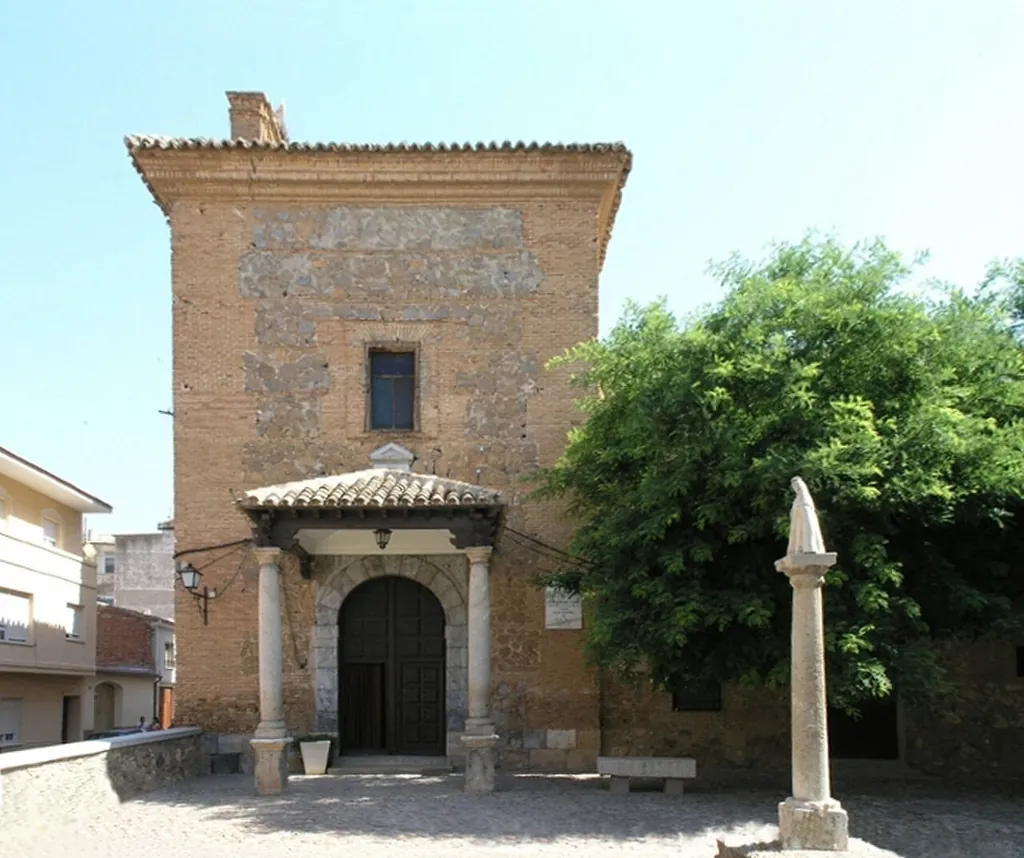
The convent of San Francisco in Madridejos was founded in 1612 with the help of local residents and completed in 1619. Among its main benefactors were María Cervantes Gallego and Juan de Mayorga, and the design is attributed to Juan Bautista Monegro. It was inhabited by Franciscan friars, and in 1769 a chapel was added for the Third Order. It is a Baroque building, with a decorated doorway and a bell gable, and its church houses the image of the town's patron, Nuestra Señora de Valdehierro.
After the disentailment of 1833 the community disappeared, and the State assigned the building to the judicial district, with offices and a prison; the church was sometimes used as a warehouse and the chapel as a school. In the early 1970s a group of volunteers promoted its restoration as a cultural house.
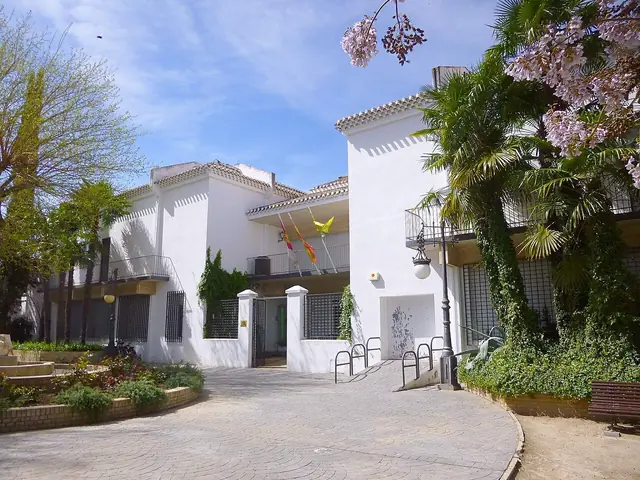
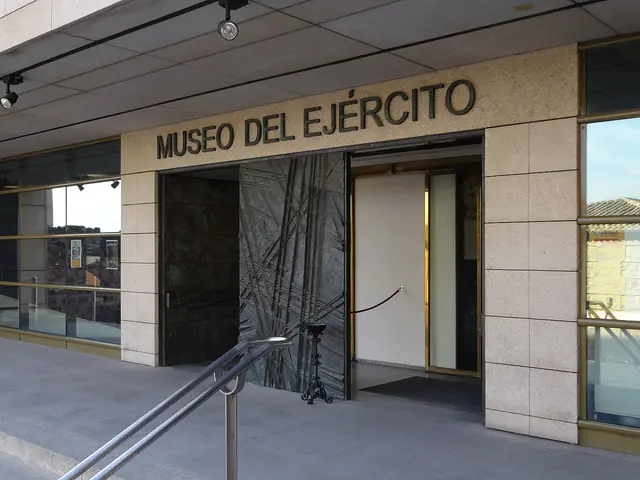
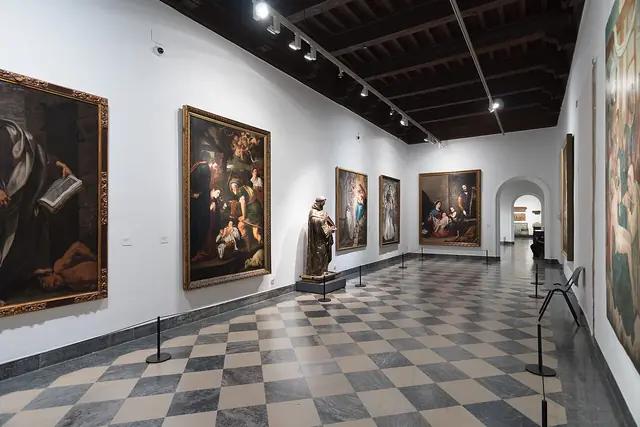
Since September 2008 the convent has housed the Museo del Azafrán y Etnográfico, which depends on the Municipal Board of Culture and Tourism (Patronato Municipal de Cultura y Turismo). The saffron section covers the whole process, from preparing the soil and planting to harvesting, separating the stigmas from the flower, toasting, selling and culinary and medicinal uses, with panels, photographs and videos. The ethnographic section reproduces a pig slaughter, a mid-20th-century classroom, pottery and embroidery work, and an 18th-century alcove. Almost all the pieces were donated by residents and restored by the Asociación Cultural El Carpio. At the end of October the cloister hosts the Jornadas del Azafrán (Saffron Days).
Highlights
- Baroque convent of San Francisco, dating from the 17th century
- Complete route through the cultivation and processing of saffron
- Ethnographic section with a school classroom, a pig slaughter and an 18th-century alcove
- Guided tour combined with the silos of Madridejos
- Cloister, setting for the Jornadas del Azafrán
Permanent exhibitions
- El azafrán de La Mancha – Panels, photographs and videos explain the cultivation, harvesting and processing of saffron, as well as its culinary and medicinal uses.
- Sección etnográfica – Scenes of traditional La Mancha life: a pig slaughter, a mid-20th-century classroom, pottery, embroidery and an 18th-century alcove.
- Founded
- 2008
- Operated by
- Patronato Municipal de Cultura y Turismo de Madridejos
Admission & discounts
| Adults | €3 |
|---|---|
| Reduced | €2Large families, people with disabilities, unemployed people, holders of the Carné Joven and children aged 6 to 12 |
| Children & teens | €2free up to age 4 · Free admission for children under 5; ages 6 to 12 pay the reduced rate. |
| Seniors | –Retirees have a reduced rate for the guided tour. |
| Visitors with disabilities | €2Reduced rate for people with disabilities. |
| Groups (11+ people) | €4 per personGuided visit with silos: reduced rate of €4 for groups of more than 10 people. |
| Families | €2Reduced rate for large families. |
| Guided visit (museum and silos), general rate | €6 |
| Guided visit (museum and silos), reduced rate | €4Groups of more than 10 people, large families, people with disabilities and retirees |
| Visit to the saffron field | €5General rate |
Prices per person and visit; the visit without a guide includes only the museum. School groups and residents of Madridejos enter free with a prior written request to the Town Council. Payment is made at the time of the visit or by bank transfer.
Accessibility
The museum hasn’t published any information on this.
Kids & families
The museum hasn’t published any information on this.
Getting there & parking
The museum hasn’t published any information on this.
Amenities & dining
The convent also houses Madridejos's tourist information point.
Events & venue rental
The museum hasn’t published any information on this.
Plan your visit
| Guided tours | yes |
|---|---|
| School programs | yes |
| Good to know | Visits, free or guided, are booked in advance with the Culture and Tourism Board (calle de las Cruces, 9) or online, and staff confirm the booking. The guided visit includes one of the town's silos. |