Museo de Antropología Médica, Forense, Paleopatología y Criminalística Profesor Reverte Coma
University museum of the Faculty of Medicine of the Complutense University of Madrid with some 1,500 pieces and 800 skulls on forensic anthropology, palaeopathology, criminalistics and mummies.
Have only individual sections read aloud
About the museum
The history of the museum begins in 1980 with the creation of the Laboratory of Forensic Anthropology at the School of Forensic Medicine of the Faculty of Medicine of the Complutense University of Madrid. Its founder, Dr José Manuel Reverte Coma, gathered materials from courts, ossuaries and university and private collections, and envisaged a museum where they could be preserved and shown to those interested in forensic medicine, anthropology, palaeopathology or criminalistics. A rectoral decree recognised the institution under its present name in 1994. In 2004 Dr José Antonio Sánchez Sánchez took over the direction and promoted a reform, after which the museum reopened in July 2009.
The collection is geared to research and teaching, but also to outreach among students and the general public. It comprises about 1,500 pieces and some 800 skulls, and its permanent exhibition explains the methods and aims of forensic and cultural anthropology.
The route is organised in four rooms. Room 1 covers the history of research, odontology, criminalistics and forensic anthropology. Room 2 is devoted to evolutionary anthropology, with reproductions of fossils from human evolution. Room 3 brings together palaeopathology, cultural anthropology (ritual body modifications) and ethnomedicine. Room 4 is dedicated to historical mummification, with a group of Egyptian and Andean mummies.
Highlights
- About 1,500 pieces and a collection of some 800 skulls
- Room on criminalistics and forensic anthropology
- Reproductions of fossils from human evolution
- Skeletal remains with ancient diseases and examples of ritual body modification
- Egyptian and Andean mummies
Permanent exhibitions
- Historia de la investigación, odontología, criminalística y antropología forense – Room 1 explains the beginnings of anthropology in Spain and its application to forensic medicine and criminalistics.
- Antropología evolutiva, paleopatología y etnomedicina – Palaeontological reproductions of human evolution, skeletal remains with ancient diseases, ritual body modifications, and natural remedies and medicines.
- Momificaciones históricas – Group of Egyptian and Andean mummies illustrating attempts to preserve the body after death.
- Founded
- 1994
- Operated by
- Universidad Complutense de Madrid (Facultad de Medicina)
Admission & discounts
Admission is free.
Free admission, by prior appointment (according to a cultural guide; the university's website does not state the price).
Accessibility
- Wheelchair accessible: no information
- Elevator: no information
- Accessible restroom: no information
- Accessible parking: no information
- Service dogs welcome: no information
- Tactile models & exhibits: no information
- Sign language tours: no information
- Easy-to-read materials: no information
- Audio description: no information
No information on accessibility has been published.
Kids & families
The museum hasn’t published any information on this.
Getting there & parking
By public transit
Ciudad Universitaria (metro, línea 6)
Metro: Ciudad Universitaria station (line 6). Urban buses: lines G, U, 82 and 132.
Amenities & dining
The museum hasn’t published any information on this.
Events & venue rental
The museum hasn’t published any information on this.
Plan your visit
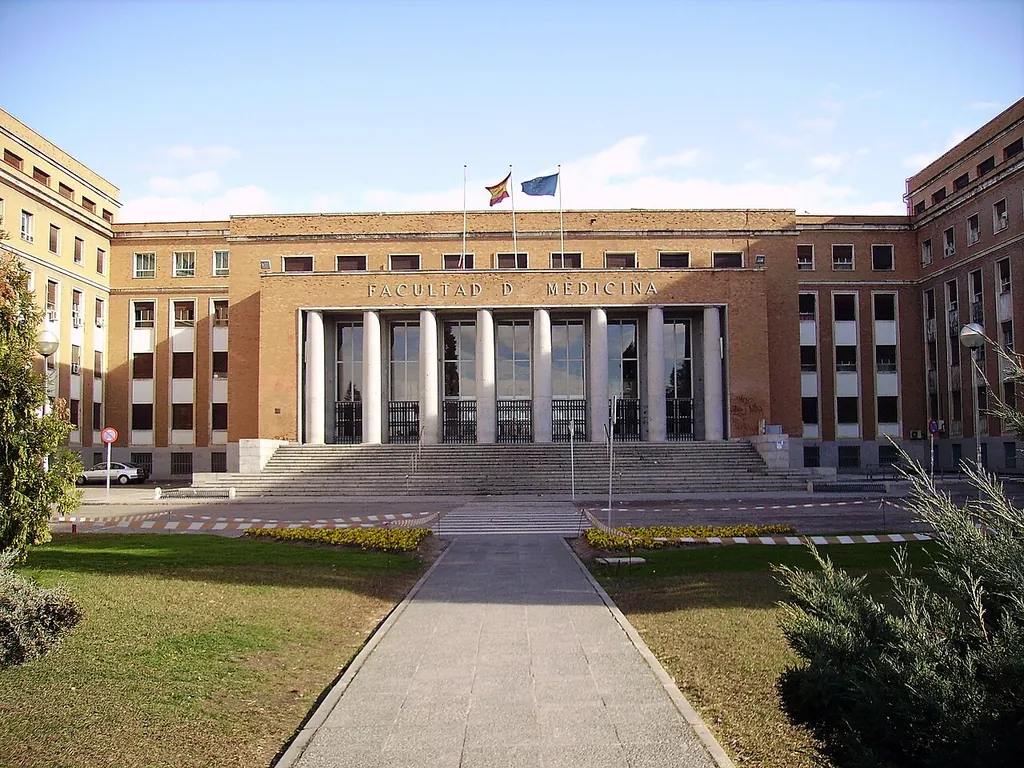
| Good to know | Visits are by prior appointment, requested by phone (913 941 606) or by email (museoafp@ucm.es). The museum is on the third floor of Pavilion 7 of the Faculty of Medicine, in the Ciudad Universitaria. |
|---|