Museo de Arte Sacro de Bilbao
Diocesan museum in the former Convento de la Encarnación, with more than 500 pieces of Biscayan art from the Romanesque to the present day.
Have only individual sections read aloud
About the museum
The museum was founded in 1961 to conserve, restore, study and disseminate the religious heritage of the Diocese of Bilbao. It moved through several premises before settling in its current home in 1995. It belongs to the Diocese of Bilbao and is supported by the Diputación Foral de Bizkaia and the Bishopric.
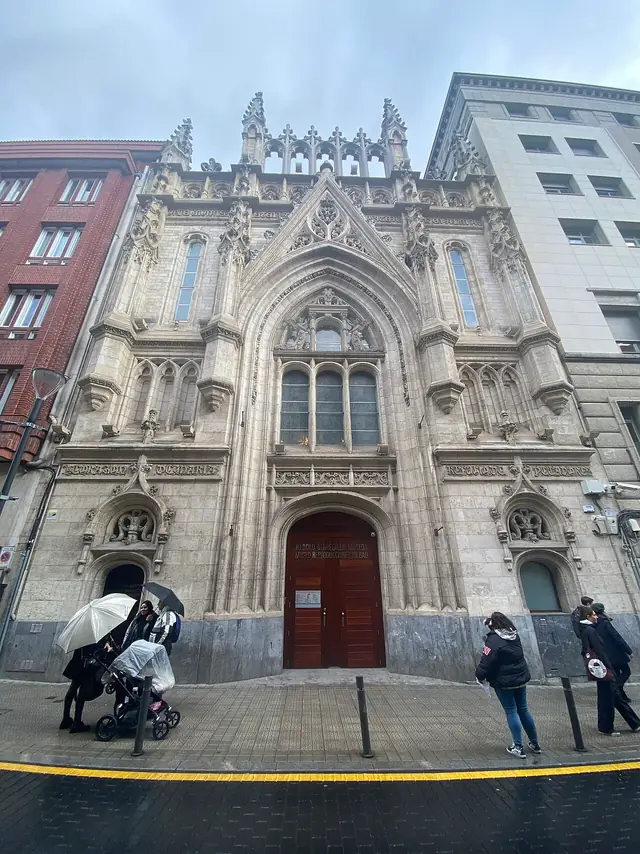
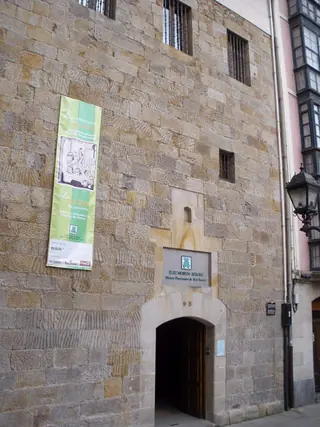
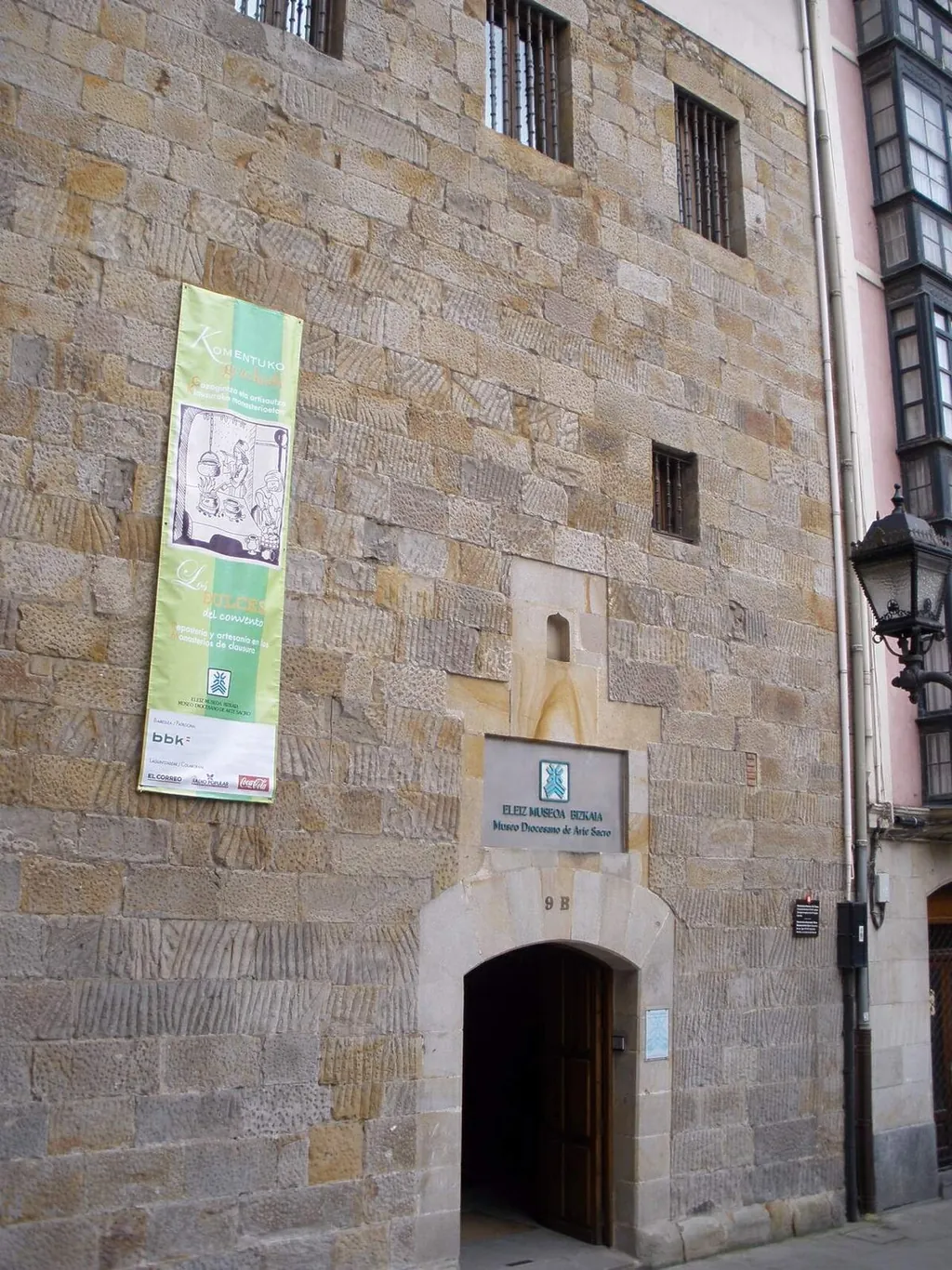
It occupies the former La Encarnación convent, founded in 1514 by Dominican nuns in the Atxuri district and the first women's convent in the town. With a plain façade and a quiet cloister, the building previously served other purposes, including as a school, a barracks and a hospital.
The collection brings together more than 500 pieces of Biscayan art, from the Romanesque to the present day, including sculpture, painting, goldsmith work and liturgical vestments. It is regarded as the most important collection devoted specifically to Biscayan art. Highlights include the Andra Mari room on the image of the Virgin, the Santurtzi tympanum, Catalan panel paintings, the Annunciation of Urrutia, the Christ of Larrea and the Virgen de la Soledad by Asorey. The museum also holds works from churches in Biscay.
Highlights
- More than 500 pieces of Biscayan art, from the Romanesque to today
- Andra Mari room, on the evolution of the image of the Virgin
- Santurtzi tympanum and Catalan panel paintings
- The Annunciation of Urrutia, with a prayer in Basque from 1931
- Former La Encarnación convent with its cloister
Permanent exhibitions
- Colección permanente de arte vizcaíno – More than 500 pieces of Biscayan sacred art, from the Romanesque to today, spread across sculpture and painting, goldsmith work and vestments.
- Sala Andra Mari – A room devoted to the evolution of the image of the Virgin over the centuries.
- Founded
- 1961
- Operated by
- Diócesis de Bilbao
Admission & discounts
| Adults | €3 |
|---|---|
| Reduced | €1.50People over 65, students up to 25 years old (with accreditation) and groups of 10 or more people |
| Children & teens | freefree up to age 9 · Free admission for children under 10. |
| Seniors | €1.50People over 65, with accreditation. |
| Students & apprentices | €1.50Up to 25 years old, with accreditation. |
| Groups (10+ people) | €1.50 per person |
Free admission for children under 10 and, with accreditation, for ICOM members and teachers. The website announces Tuesday as the “museum day” without stating the price for that day.
Accessibility
- Wheelchair accessible
- Elevator: no information
- Accessible restroom: no information
- Accessible parking: no information
- Service dogs welcome: no information
- Tactile models & exhibits: no information
- Sign language tours: no information
- Easy-to-read materials: no information
- Audio description: no information
The website states that accessibility is adapted for wheelchair users.
Kids & families
| Kids’ admission | free up to age 9 |
|---|
The website lists no specific family offers; there are school activities and a group escape room.
Getting there & parking
By public transit
Casco Viejo (metro)
Metro: Casco Viejo station, Plaza Unamuno exit. Tram (Euskotren): Atxuri station. Bus: lines 22, 75 and 85 (stop Calle Dieciséis de agosto) and lines 40, 55 and 77 (stop Calle Atxuri 15).
Amenities & dining
The museum hasn’t published any information on this.
Events & venue rental
- Spaces for rent
The museum rents out spaces for events.
Inquiries & detailsPlan your visit
| Guided tours | yes |
|---|---|
| School programs | yes |
| Photography | Photography and video recording are permitted, but flash, spotlights and tripods are not allowed. |
| Good to know | Adapted visits under “Visita a tu medida”, school activities and an escape room for groups (“La abadía de Atxuri”). |