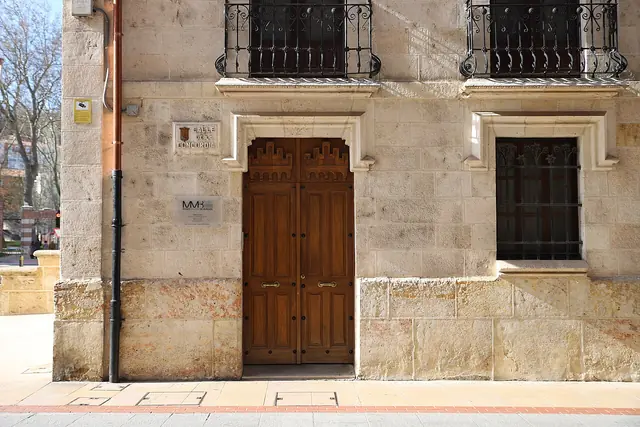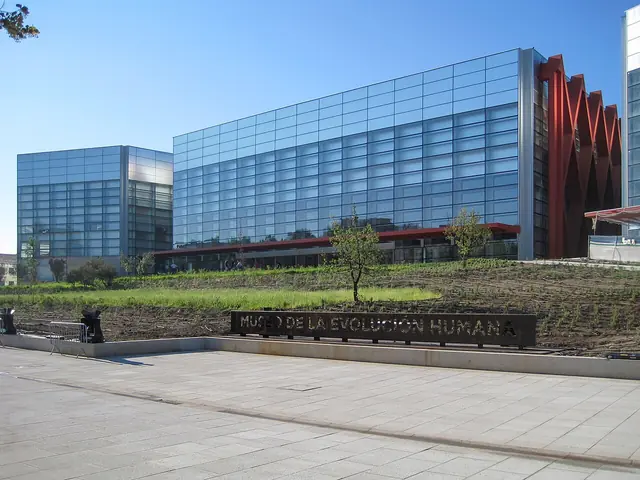
Monasterio de Las Huelgas y Museo de Telas Medievales
12th-century Cistercian monastery in Burgos with a royal pantheon and the Museo de Telas Medievales, which holds the banner of Las Navas de Tolosa.
Have only individual sections read aloud
About the museum
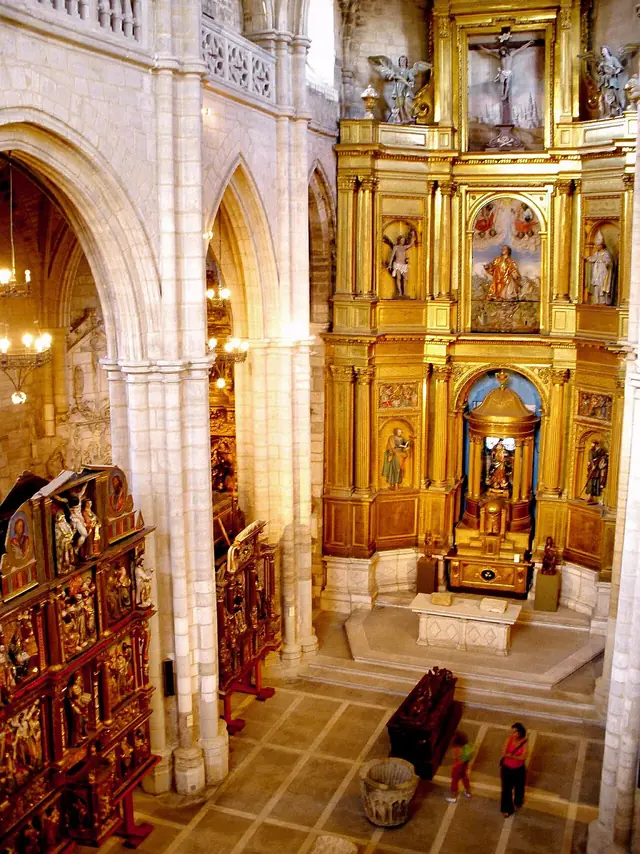
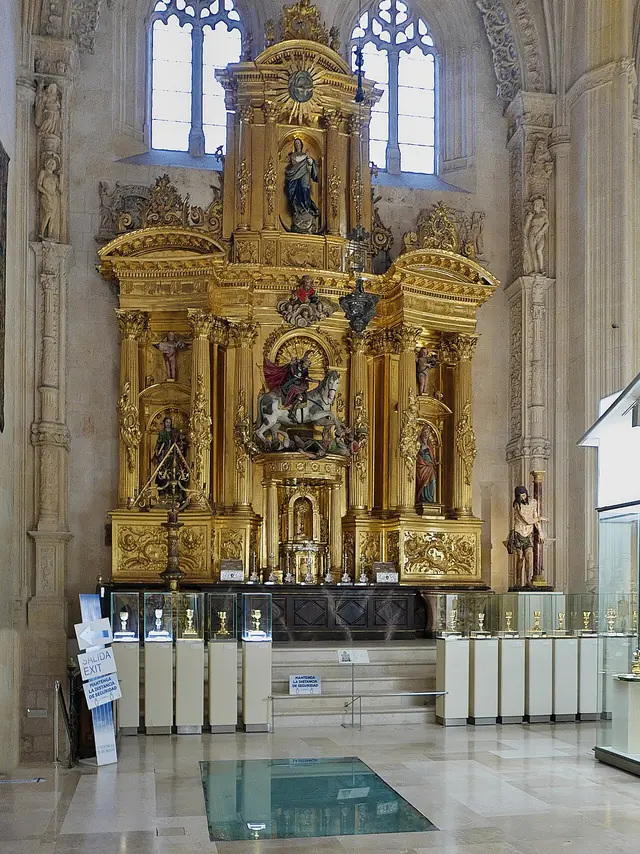
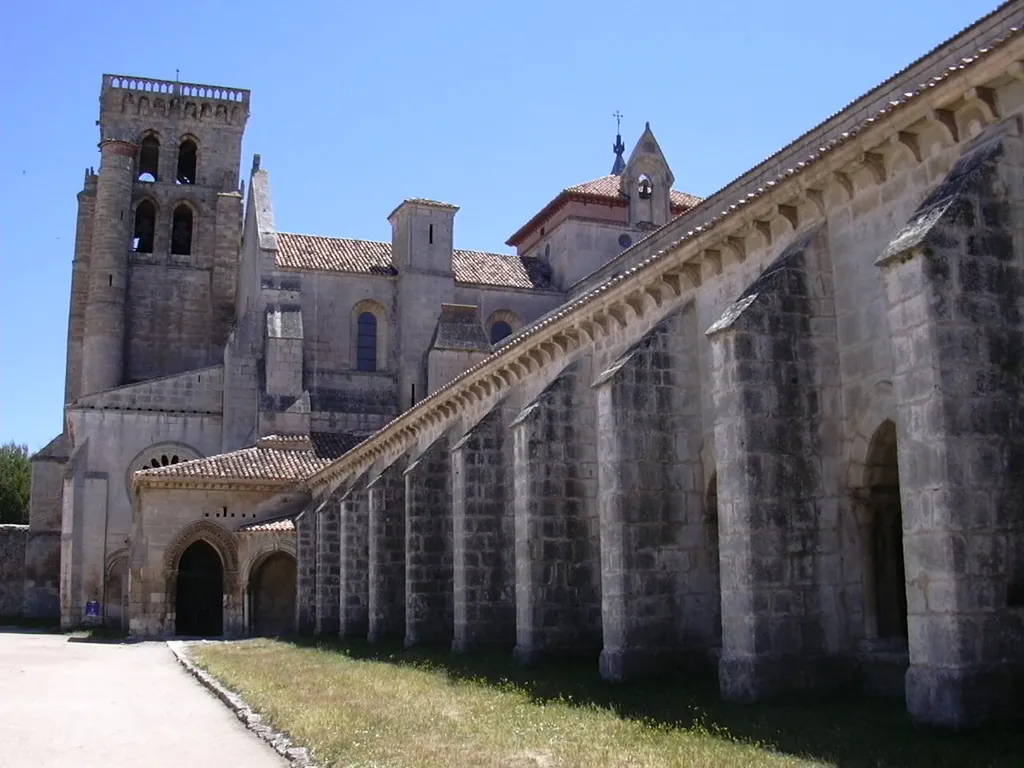
The monastery of Santa María la Real de Las Huelgas was founded in 1187 by Alfonso VIII and Queen Leonor, on a site along the Camino de Santiago. It is the main Cistercian women's monastery in Spain and was the head of those founded in the Crown of Castile. The complex combines styles: a Mudéjar church with Almohad influence, partly preserved in the chapel of the Assumption, the Romanesque cloister of the Claustrillas and, already in the first third of the 13th century, the definitive Gothic monastery with its great church, cloister and chapter house.
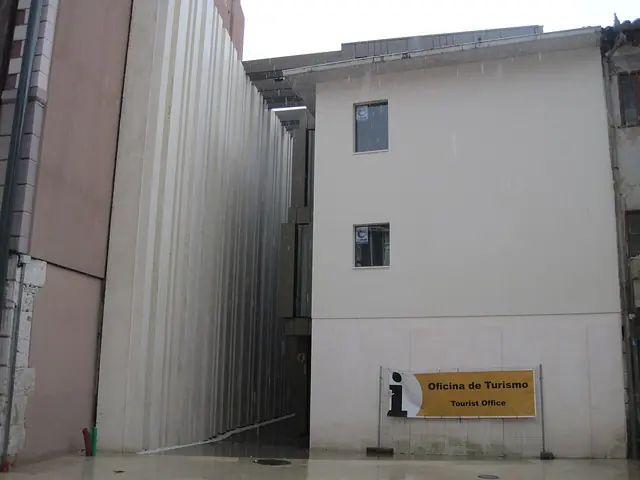
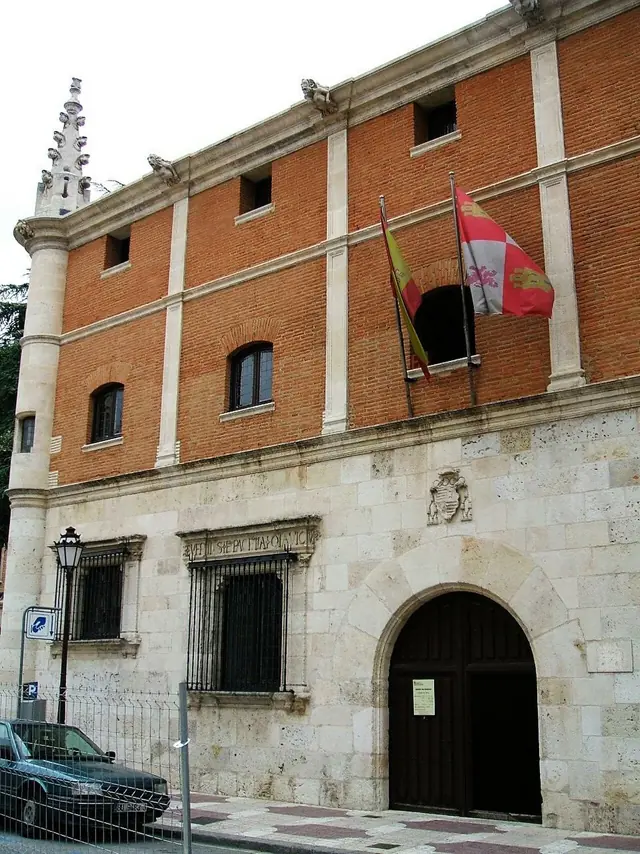
The Museo de Telas Medievales occupies the monastery's former tithe barn or granary (cilla). It was created in 1987 and reopened in 2008 after an extension that raised the exhibition area from 240 to 400 square metres. It shows civilian garments and fabrics from the 11th to the 13th century, recovered in the 20th century from the burials of Castilian kings and infantes (princes) in the monastery. Of some 300 pieces found, around 51 are on display.
The best-known piece is the banner of Las Navas de Tolosa, a Hispano-Muslim tapestry woven with gold thread, linked by tradition to the battle of 1212. Every year, at the Curpillos festival, a copy of the banner is carried in procession. The visit to the monastery must be guided and includes the museum.
Highlights
- Banner of Las Navas de Tolosa, a Hispano-Muslim tapestry woven with gold thread
- Civilian garments and fabrics from the 11th to the 13th century
- Royal pantheon with the Gothic tombs of Alfonso VIII and Leonor
- Romanesque cloister of the Claustrillas
- Chapter house and Gothic cloister
- Curpillos festival, with a copy of the banner
Permanent exhibitions
- Museo de Telas Medievales – Civilian garments and fabrics from the 11th to the 13th century, from the royal burials of the monastery, and the banner of Las Navas de Tolosa.
- Monasterio de Santa María la Real de Las Huelgas – Guided tour of the church, the Claustrillas, the Gothic cloister, the chapter house and the royal pantheon of a Cistercian monastery founded in 1187.
- Founded
- 1987
- Operated by
- Patrimonio Nacional
Admission & discounts
| Adults | €9 |
|---|---|
| Groups | €8 per personAgency rate: €8. |
Free admission: Wednesdays and Thursdays from 16:00 to 18:30 (last admission at 17:30): free entry for citizens of the European Union, residents and Ibero-American citizens, with supporting documentation; free tickets are only collected at the ticket office.
Single rate of €9 (Patrimonio Nacional). The guided visit is compulsory and included in the price, with no supplement. An annual pass of Patrimonio Nacional covering all its museums and royal sites (€50, reduced €28) includes this monastery.
Accessibility
- Wheelchair accessible
- Elevator: no information
- Accessible restroom: no information
- Accessible parking: no information
- Service dogs welcome: no information
- Tactile models & exhibits: no information
- Sign language tours: no information
- Easy-to-read materials: no information
- Audio description: no information
There is access for people with reduced mobility, and manual wheelchairs are available.
Kids & families
The museum hasn’t published any information on this.
Getting there & parking
By public transit
Urban bus, line 7, from the centre of Burgos.
By car, via the A-1 (Madrid–Burgos). Regional and long-distance trains run between Madrid and Burgos.
Get directionsAmenities & dining
The museum hasn’t published any information on this.
Events & venue rental
The museum hasn’t published any information on this.
Plan your visit
| Guided tours | yes |
|---|---|
| Photography | Photography without flash is allowed for personal use, except in the places indicated. Tripods and selfie sticks are not allowed. |
| Good to know | The visit is always guided, because of the limited capacity and the coexistence with the religious community. The guide is included in the price and the route includes the Museo de Telas Medievales. |