Two museums in the Muri monastery complex: the history of the Benedictine monastery and the largest permanent presentation of the Alpine painter Caspar Wolf.
Limited operations (expected until 2026-10-31). The monastery church is scaffolded from March to October 2026 due to renovation work; in the cloister one side is covered, so the stained glass there is not visible, while the other two sides remain accessible.
Special exhibition at the Museum Kloster Muri marking the 1000th anniversary of the monastery's founding. It shows the centuries-long connections between the House of Habsburg, the monastery and Muri, through coats of arms, liturgical vestments and stained-glass panes, as well as the heart burial of Charles I and Zita.
Interactive Christmas exhibition at the Museum Kloster Muri on eating and drinking in Advent and the Christmas season: old customs, today's eating habits, fasting traditions and glimpses into the kitchens of other cultures and religions.
At the Museum Caspar Wolf: Caspar Wolf's glacier studies, painted on site in the 1770s, supplemented by a painting of the Rhône Glacier by Johann Heinrich Wüest and two contemporary works by Moritz Hossli and Monika Müller. Running until summer 2027.
About the museum
The Benedictine monastery of Muri was founded around 1027 by the Habsburg Radbot and his wife Ita of Lorraine. The first monks came from Einsiedeln; the church and crypt were consecrated in 1064. The founding couple is buried under the Baroque dome, and the hearts of the last imperial couple rest in the Loretokapelle. In the Baroque era Muri became a respected and wealthy monastery; in 1701 the abbot received the title of prince-abbot. In 1841 the canton of Aargau dissolved the monastery; the community moved to Sarnen and later to Gries near Bozen.
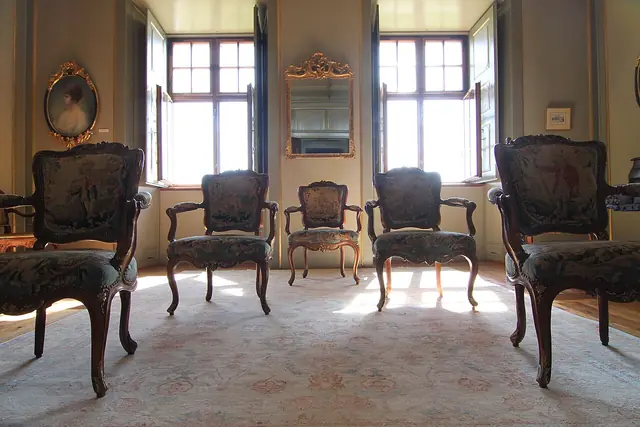
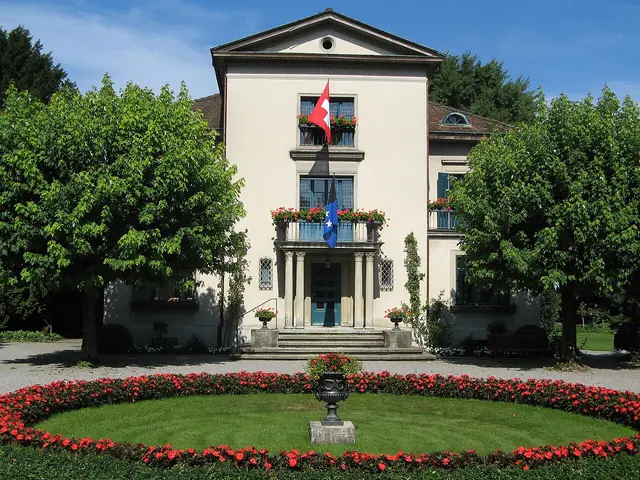
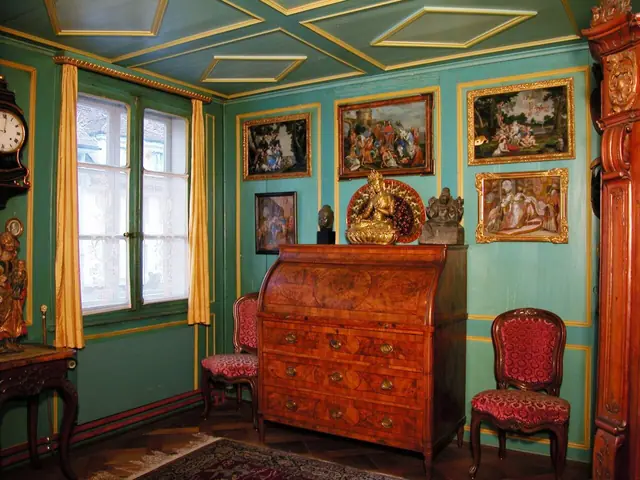
Today the Stiftung Murikultur operates the visitor center on the monastery grounds, with two museums, a Kultur-Kafi with a museum shop, and concerts, theater and a library. Museum Kloster Muri tells of the monks' everyday life, of power and crises between the Reformation and the dissolution of the monastery, and displays monstrances, chalices and donor stained-glass panels. The tour leads through the Äbtekeller (abbots' cellar) and the cloister with its Renaissance stained glass, into the monastery church with the largest sacred central building in Switzerland.
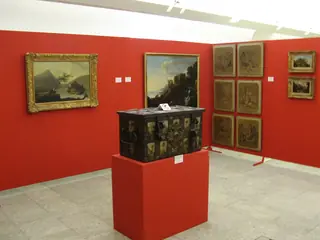
The Museum Caspar Wolf is located in the Singisen wing, built in 1610. It is devoted to the landscape and Alpine painter Caspar Wolf (1735–1783), born in Muri, and holds over 40 paintings and colored works on paper, plus around 130 mostly hand-colored original prints. According to Murikultur itself, this makes it, alongside the Kunstmuseum Basel and the Aargauer Kunsthaus, one of the most comprehensive holdings of the artist's work.
Highlights
Museum Kloster Muri with the Äbtekeller, monstrances and donor panels
Monastery church with the largest sacred central building in Switzerland
Cloister with Renaissance stained glass
Museum Caspar Wolf: over 40 paintings by the Alpine painter
One ticket for both museums, Kultur-Kafi in the visitor center
Permanent exhibitions
Museum Kloster Muri – Den Himmel vor Augen – History of the Benedictine monastery founded in 1027, with the Äbtekeller, the monks' everyday life and the stained glass in the cloister.
Museum Caspar Wolf – Life and work of the Alpine painter Caspar Wolf (1735–1783), with paintings, gouaches, drawings and prints in the historic Singisen wing.
Operated by
Stiftung Murikultur
Admission & discounts
Adults
CHF 15
Reduced
CHF 12apprentices and students up to age 25
Children & teens
freefree up to age 16 · Children and young people up to age 16 have free admission.
Students & apprentices
CHF 12Apprentices and students up to age 25
Groups
–Group tours: flat fee of CHF 150 plus admission per person (Museum Kloster Muri and Museum Caspar Wolf CHF 15 each; monastery church and cloister CHF 10).
Cloister access
CHF 10
The ticket is valid for all museums. Accepted: Swiss Museum Pass, Raiffeisen card, Kultur-Legi ID and VKKS ID.
The historic monastery complex is largely wheelchair-accessible, as are the Museum Caspar Wolf, the Singisen Forum and the library. Limited access: the Äbtekeller can only be reached by stairs; the cloister and "Leben im Kloster" are accessible via a ramp through the monastery church; the refectory via a stair lift. Wheelchair-accessible toilet on the fourth floor of the Singisen wing (with lift). Guide dogs are welcome; there is no Braille signage and no induction loop.
Kids & families
Kids’ admission
free up to age 16
Children and young people up to age 16 pay no admission. For school classes there are age-appropriate workshops at the Singisen Atelier.
Getting there & parking
By public transit
Bahnhof Muri AG
The visitor center is a few minutes from Muri station and can be reached by local bus or on foot.
Kultur Kafi with a museum and ticket shop in the visitor center: pastries, tea, coffee, wine; shop with books, cards, souvenirs and monastery specialties, plus gift vouchers in any amount you choose.
Events & venue rental
Spaces for rent
Corporate events
Weddings / ceremonies
The Singisen Saal is suited to meetings, assemblies, lectures and weddings, but not banquets; inquiries via the house's phone number or email.
Group tours (up to 20 people, 90 minutes) through Museum Kloster Muri, through the monastery church and cloister, or through Museum Caspar Wolf, plus themed tours; school workshops in the studio (Atelier), e.g. "Farblabor". Organ playing in the monastery church on request.