Naturhistorisches Museum Bern
Bern's oldest museum with historical dioramas, Barry the St. Bernard, giant crystals and the climate exhibition "Mensch, Erde!".
No sound? Check your device’s silent switch.
Have only individual sections read aloud
About the museum
It began with a cabinet of natural curiosities set up in the Bern city library at the end of the 17th century. For growing collections of minerals, rocks, herbaria and shells, a gallery was built next to the library in 1773 to 1775, which, thanks to the bird collection of pastor Daniel Sprüngli, was popularly known as the "Vögelibibliothek" (bird library). The year 1832 is considered the official founding date, when the city council appointed a museum commission of its own; this makes it the oldest museum in Bern.
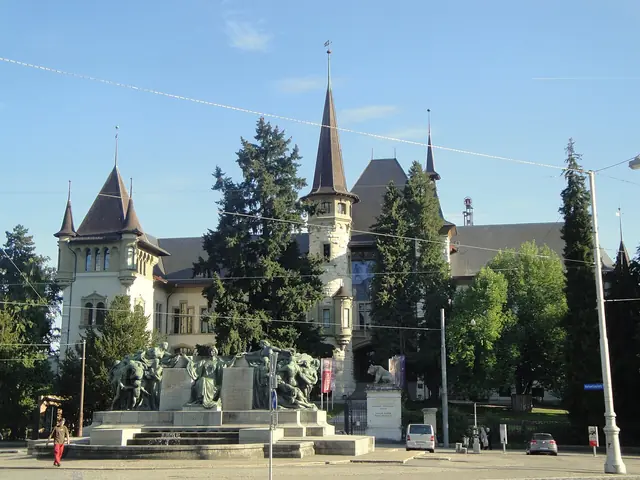
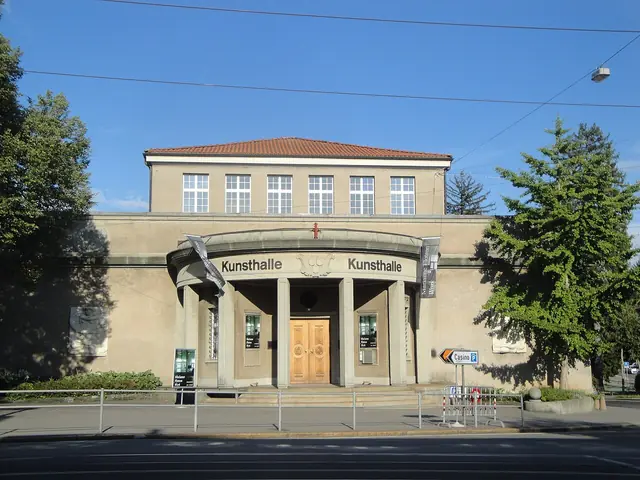
In 1852, in the course of the division of the old city-state, the Burgergemeinde Bern became sole owner of the collections, which it still supports today. Because of lack of space, the museum moved several times: in 1882 into a new building opposite the Kunstmuseum, in 1936 into the current building on Bernastrasse. This was built, among other things, to display more than a hundred animals that the big-game hunter Bernard von Wattenwyl had shot on two safaris in East Africa in 1923/24.
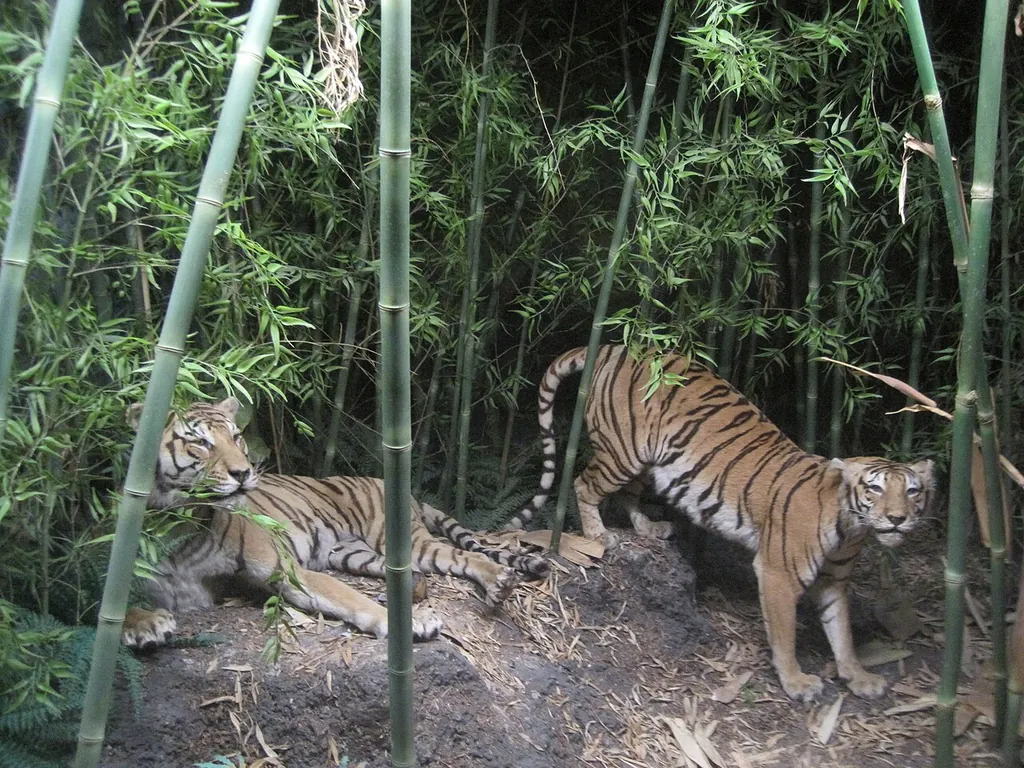
The museum became famous for its dioramas featuring animals of Switzerland, Africa, the Arctic and Asia, which are considered unique in Europe. The scientific collection comprises around 6.5 million objects; among the best-known pieces are the rescue dog Barry and the giant crystals from the Planggenstock. Alongside the classic exhibitions, the museum presents thematic shows at the interface of science and society as well as events such as the "Bar der toten Tiere" (Bar of the Dead Animals).
Highlights
- Historical dioramas with animals of Africa, Asia, the Arctic and Switzerland
- Barry, the legendary St. Bernard rescue dog, in an exhibition of his own
- Giant crystals from the Planggenstock
- "Wunderkammer": over 15,000 jars of the wet collection
- Forest adventure space "Picas Nest" for families
- Quiet exhibition visit on the last Wednesday evening of every month
Permanent exhibitions
- Mensch, Erde! – Das Klima im Wandel – Across 630 square metres, the exhibition leads through Earth's history from monster swamps to visions of the future and shows how human-made climate change should be understood.
- Barry – Der legendäre Bernhardinerhund – The exhibition tells the story of the rescue dog from the Great St Bernard Pass, who died in Bern in 1814, and asks which of his heroic tales are true and which are myth.
- Wunderkammer – Die Schausammlung – The permanent display opens up part of the wet collection: over 15,000 jars containing around 19,000 objects, from iguanas and fish to insects.
- Founded
- 1832
- Operated by
- Burgergemeinde Bern
- Director
- Christoph Beer
Admission & discounts
| Adults | CHF 12 |
|---|---|
| Reduced | CHF 10Students, apprentices, AHV (old-age pension) recipients and people with disabilities |
| Children & teens | freefree up to age 16 · Children and young people up to 16 years have free admission. |
| Seniors | CHF 10AHV recipients |
| Visitors with disabilities | CHF 10 |
| Students & apprentices | CHF 10Students and apprentices; students of the University of Bern, PH Bern, BFH and HKB have free admission. |
| Groups (10+ people) | CHF 10 per personGroups of 10 or more; school classes have free admission. |
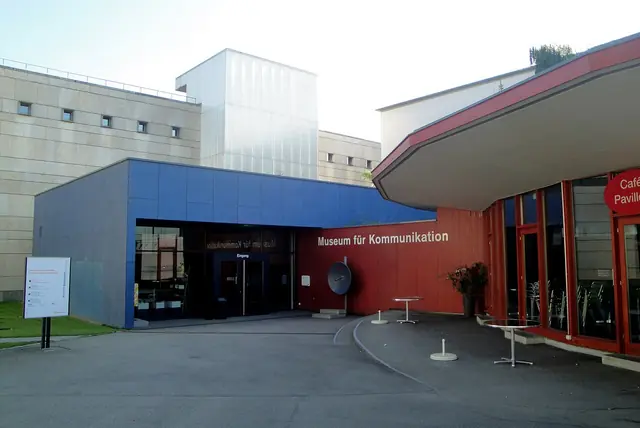
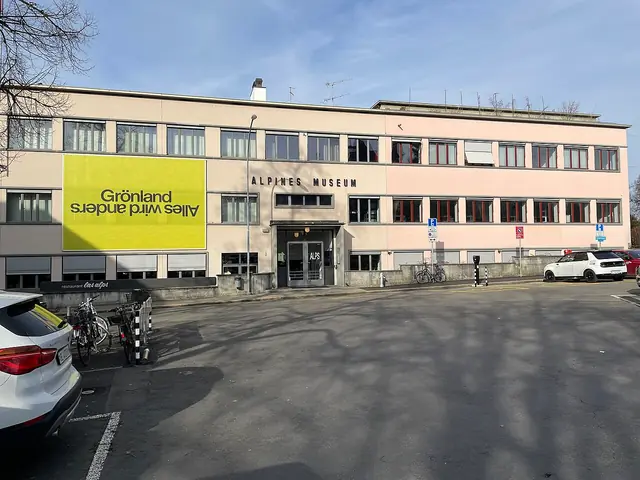
| Museumsquartier Pass | CHF 30Valid for five months, single admission for 1 adult and 2 children up to 16 years to five museums (ALPS, Bernisches Historisches Museum, Kunsthalle Bern, Museum für Kommunikation, Naturhistorisches Museum) |
Free admission with the Kultur-GA, Swiss Museum Pass, Museums-PASS-Musées, Raiffeisen card (MemberPlus) and Museumscard Bern (24 hours CHF 28, 48 hours CHF 35, also available at the ticket desk). Members of the Naturhistorische Museumsgesellschaft and holders of the KulturLegi pay CHF 4. Refugees with permit N, S or F have free admission (excluding bookable offers).
Accessibility
- Wheelchair accessible
- Elevator: no information
- Accessible restroom: no information
- Accessible parking: no information
- Service dogs welcome
- Tactile models & exhibits: no information
- Sign language tours: no information
- Easy-to-read materials: no information
- Audio description: no information
The whole museum is wheelchair accessible; assistance dogs are permitted. Detailed information for people with visual, mobility or hearing impairments is available from Procap and in the Ginto app. A quiet exhibition visit takes place on the last Wednesday of every month.
Kids & families
Great for kids & families
| Kids’ admission | free up to age 16 |
|---|
- Family tours & workshops
- Activity booklet, scavenger hunt or kids’ audio guide
- Hands-on stations
- Stroller-friendly
- Baby changing facilities
- Playground / play area
- Kids’ birthday parties
The museum sees itself as a family museum: mascot Pica with two trails (museum highlights, activities), themed cases to borrow, nature lab, geo lab and the forest adventure space "Picas Nest", where climbing is allowed. Strollers are allowed in the exhibitions; the changing table is in the toilet on the ground floor.
Getting there & parking
By public transit
Helvetiaplatz · 220 m
From Bern main station, take tram 6 (Worb), 7 (Ostring) or 8 (Saali), or bus 19 (Elfenau), to Helvetiaplatz; 220 metres on foot.
By car
No on-site parking at the museum.
The museum has no parking of its own; there is limited parking in the Blue Zone in the neighbourhood (with a parking permit).
With the SBB RailAway combination offer there are discounts on travel and admission.
Get directionsAmenities & dining
- Café
- Coat check
- Lockers
- Wi-Fi
Self-service museum café with snacks, salads, sweets and drinks, and hot dogs on weekends; no table reservations. Picnicking is allowed in the corners on the 1st and 3rd floors and in the garden. Free Wi-Fi throughout the building.
Events & venue rental
- Spaces for rent
- Private parties
- Corporate events
Events in the skeleton hall, room rental, experience aperitifs and private tours for groups.
Inquiries & detailsPlan your visit
| Guided tours | yes · approx. 60 min |
|---|---|
| School programs | yes |
| Photography | Private photography and filming are allowed throughout the museum. |
| Good to know | Translated exhibition texts (German, French, English) are available in the NMBE eGuide via QR code on your own phone. Large bags, backpacks and umbrellas belong in the lockers or the cloakroom. Young people aged 14 and over may visit unaccompanied. |