Argyll and Sutherland Highlanders Museum
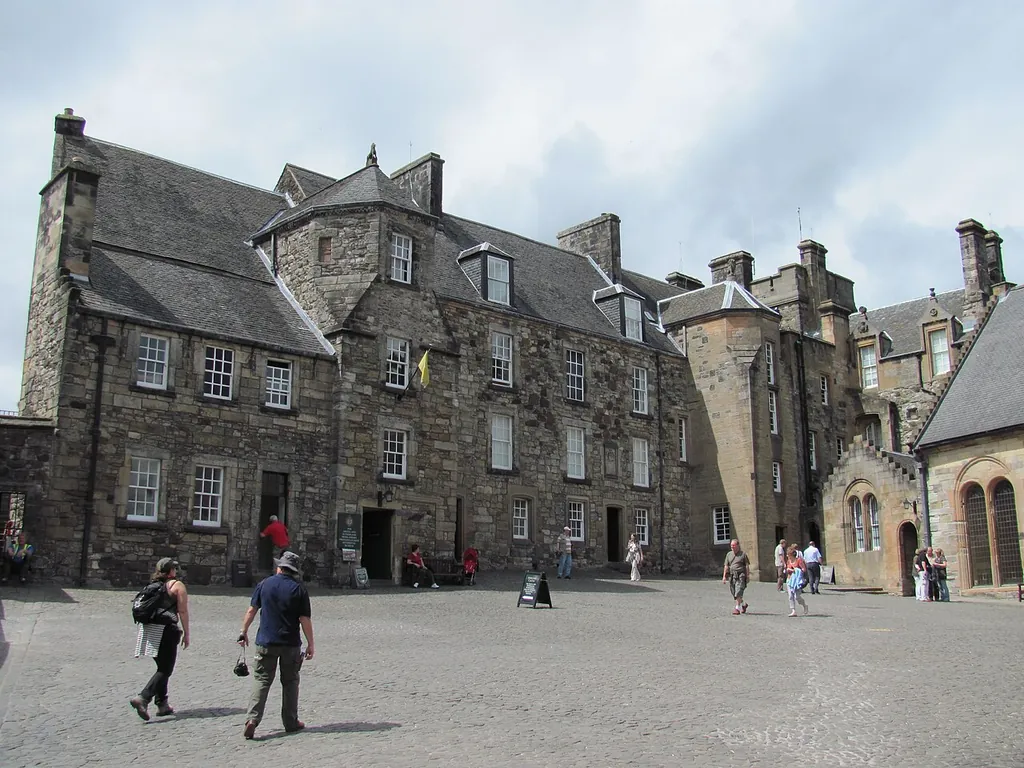
Independent regimental museum inside Stirling Castle telling the story of the Argyll and Sutherland Highlanders through objects, images and sound.
Have only individual sections read aloud
About the museum
The Argyll and Sutherland Highlanders (Princess Louise's) were formed in 1881 when the 91st Argyllshire Highlanders, raised in 1794, and the 93rd Sutherland Highlanders, raised in 1799, were merged. The regiment's own history reaches back further, to the raising of the Stirlingshire Militia in 1639. Stirling Castle has been its home since 1881, but the museum that displays its treasures was only opened there in 1988.
The museum is run by an independent charity, the Argyll and Sutherland Highlanders Museum Trust, and relies largely on donations and its own income. The galleries were redeveloped in a project that began in 2018. Themed rooms now follow the regiment from its origins through the two world wars, in which it grew to fifteen and then nine battalions, to postwar service in Korea and in Aden in 1967. The regiment was merged into the Royal Regiment of Scotland in 2006, and the museum remains the keeper of its story.
The collection is recognised as nationally significant. Notable pieces include the Thin Red Line centrepiece, Surgeon Munro's kit, the regiment's communion silver, Major Muir's Victoria Cross, a key to Stirling Castle and the bagpipes and piping medals of William Lawrie. Volunteers, including veterans of the regiment, are often on hand to talk to visitors.
Highlights
- Thin Red Line centrepiece
- Major Muir's Victoria Cross
- Surgeon Munro's kit
- Regimental communion silver
- Bagpipes and piping medals of William Lawrie
- Themed rooms using objects, images and sound
Permanent exhibitions
- The story of the Argylls – Themed rooms trace the Argyll and Sutherland Highlanders from their origins to the present day through objects, images and sound.
- Highlight objects – Key pieces include the Thin Red Line centrepiece, Major Muir's Victoria Cross, Surgeon Munro's kit and William Lawrie's bagpipes.
- Founded
- 1988
- Operated by
- Argyll and Sutherland Highlanders Museum Trust
Admission & discounts
| Adults | £18.50 |
|---|---|
| Reduced | £15Over 65s and unemployed visitors |
| Children & teens | £11Child ticket for ages 7 to 15. |
| Seniors | £15Concession ticket for ages 65 and over. |
| Families | £53Family ticket for 2 adults and 2 children. |
| Family ticket (1 adult, 2 children) | £36.50Online price. |
| Family ticket (2 adults, 3 children) | £63Online price. |
The museum does not charge a separate fee; entry is included in the Historic Environment Scotland ticket for Stirling Castle, and the prices shown are the lowest (online) castle prices. Walk-up prices are higher (adult £20.50, concession £16.60, child £12.50, family tickets £41.00, £59.50 and £70.50). Argyll veterans passes, serving members of the armed forces and museum Guardians enter free on showing identification; the free entry applies to the named person only. Donations are welcome.
Accessibility
- Partially wheelchair accessible
- Elevator: no information
- Accessible restroom: no information
- Accessible parking: no information
- Service dogs welcome
- Tactile models & exhibits: no information
- Sign language tours
- Easy-to-read materials: no information
- Audio description
The museum is in the upper square of Stirling Castle, on a steep, cobbled slope. It has several internal staircases, and the Colours Room is at the top of three flights of spiral stairs, so visitors with mobility needs should contact the museum beforehand. Assistance dogs are welcome and must be kept on a lead. A quiet time with reduced sound and screens is planned from 9:30 to 10:30 on the third Saturday of each month, and a quiet space and sensory backpacks (ear defenders, fidget toys, sensory guide) can be borrowed. Visual stories for adults and children, a sensory guide and a detailed access guide are available online. A virtual tour and a short introduction in British Sign Language can be viewed online; the castle audio guide offers audio description and large-print scripts. A free Bloomberg Connects guide is available in 46 languages.
Kids & families
Great for kids & families
| Family ticket | £53 · Family ticket for 2 adults and 2 children. |
|---|
- Family tours & workshops
- Activity booklet, scavenger hunt or kids’ audio guide
The museum describes itself as family friendly. Free downloadable trails, the Princess Louise Trail and a LEGO trail with 11 figures to find, earn a sticker from the shop. Handling boxes can also be brought to schools and community groups.
Getting there & parking
By public transit
Stirling railway station
Stirling railway station and Stirling bus station are both on Goosecroft Road in the city centre; the castle can be reached on foot, by bus or by taxi. A free walking route with narration is offered in the Explore Stirling app.
By car
Parking available
The castle car park is currently open only to coaches and vehicles with accessibility needs because of a sudden road closure. Other visitors are asked to use the Castleview Park and Ride, where parking is free and the bus costs £1 per adult return and 50p per child return. Bicycle racks stand by the car park booth on the esplanade.
The museum is in the castle at the top of the old town. Check the Stirling Castle website for current arrival information.
Get directionsAmenities & dining
- Museum shop
There is a museum shop. Food and drink are available elsewhere in the castle.
Events & venue rental
- Spaces for rent
- Private parties
- Corporate events
Up to 150 guests.
The Argyll Family Room seats 12 at a boardroom table and has wifi and catering support. The Colours Room is a larger space for meetings, lectures, receptions and dinners with audio-visual equipment. The whole museum can take groups of 12 to 150.
Inquiries & detailsPlan your visit
| Audio guide | yes (EN, GD, FR, DE, ES) |
|---|---|
| School programs | yes |
| Good to know | The museum is included in Stirling Castle's audio guide, which can be hired at the castle entrance or bought online. Interactive workshops on the First and Second World Wars for school groups last up to 90 minutes and run on Mondays, Thursdays and Fridays in term time; school and group visits are free between September and May. Volunteers, some of them veterans, answer questions in the galleries. |