Blake Museum
Free volunteer-run museum in a 16th-century Bridgwater house, said to be the birthplace of Robert Blake, with local archaeology, art and industry.
Have only individual sections read aloud
About the museum
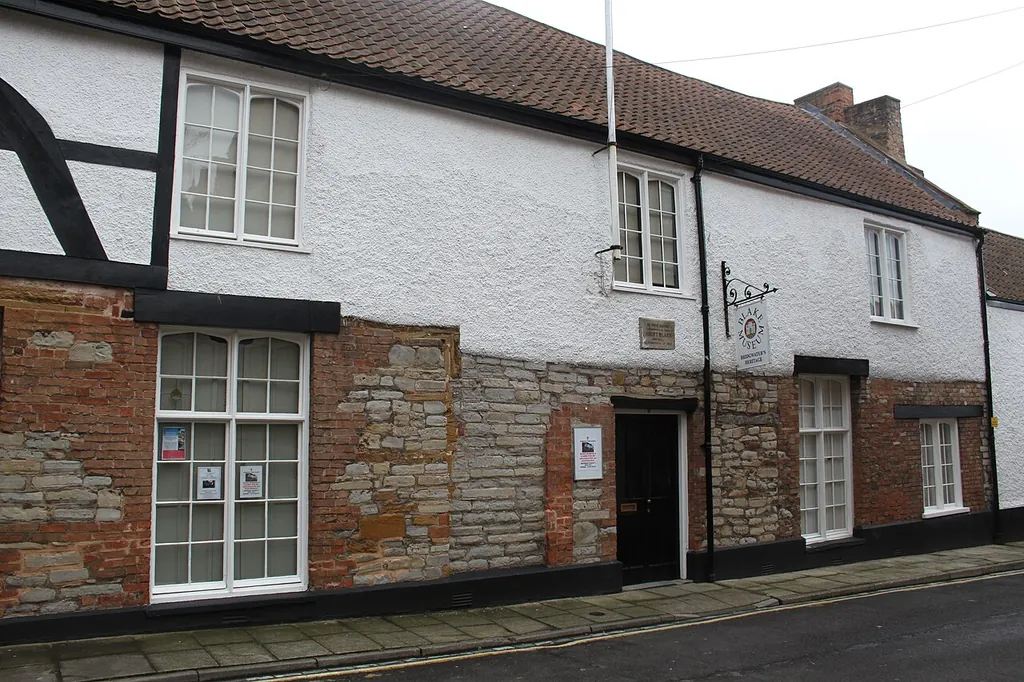
Blake Museum occupies a 16th-century house in the centre of Bridgwater, a historic market town and port that is first recorded as Brugie in the Domesday Book of 1086. The building is Grade II* listed, and tradition says that Robert Blake, the town's best-known citizen, was born here in 1598. The museum first opened to the public in 1926.
Since April 2009 the museum has been run largely by volunteers from the Friends of Blake Museum, who staff reception and the shop, catalogue and research the collection and help with school visits and displays. Much of the maintenance work is done during the winter closure.
The collections cover Bridgwater and the surrounding area from the Stone Age to the modern age. Archaeology includes inlaid medieval floor tiles, Romano-British brooches, decorated samian ware and finds from a Roman villa at Spaxton. There are portraits and paintings, coins, maritime and dock material, photographs, banners, samplers, a historical tapestry made by local schoolgirls in 1951 and a rare silk dress dyed with early mauve dye from about 1860. Archives such as electors' lists and war records are used by family historians, and the brick and tile industry that shaped the town is also covered.
Highlights
- Sixteenth-century house said to be the birthplace of Robert Blake
- Roman finds including brooches, samian ware and material from a Spaxton villa
- Inlaid medieval tiles and a collection of coins
- Bridgwater Historical Tapestry made in 1951
- Silk dress dyed with early mauve dye, about 1860
- Grotbags costume exhibition on permanent display
Permanent exhibitions
- Grotbags costume exhibition – A display of costumes connected with the character Grotbags, now on permanent display.
- Museum collections – Displays on Bridgwater and the surrounding area covering archaeology, local archives, art, entertainment, industry, maritime history, photography and textiles.
- Founded
- 1926
Admission & discounts
Admission is free.
Entry is free; donations are welcome.
Accessibility
- Partially wheelchair accessible
- Elevator: no information
- Accessible restroom: no information
- Accessible parking: no information
- Service dogs welcome
- Tactile models & exhibits: no information
- Sign language tours: no information
- Easy-to-read materials: no information
- Audio description: no information
The museum is in a Grade II* listed building with changes of level and uneven floors. Wheelchair access is limited to the ground floor, and a courtesy wheelchair can be borrowed during a visit. Only guide dogs and registered assistance animals are allowed.
Kids & families
The museum hasn’t published any information on this.
Getting there & parking
By public transit
Bus and Coach Station
The nearest bus stop is at the Bus and Coach Station.
By car
Parking available
The nearest car park is Dampiet Street (short stay), reached by turning right from St Mary Street. Long-stay parking is available at Mount Street and at the Angel Place Shopping Centre.
The museum is at the bottom of Blake Street in a quiet back street a short walk from the town centre and shops; look for the large museum sign.
Get directionsAmenities & dining
- Museum shop
The Friends of Blake Museum run a shop selling books, publications and souvenirs, and refreshments are available during opening hours. Food and drink may not be consumed in the galleries.
Events & venue rental
The museum hasn’t published any information on this.
Plan your visit
| Good to know | The Friends organise a talks programme on the second Tuesday of each month at 19:30, band concerts in the adjoining Blake Gardens on selected dates in July and August, and fairs in March and November. Contact the museum for details of school visits. |
|---|