Bowes Railway
Preserved colliery railway at Springwell with locomotives, wagons, workshops, a hauler house and a miners’ cottage, visited on guided tours.
Have only individual sections read aloud
About the museum
The Bowes Railway was built to carry coal from Springwell Colliery and other pits in north-west County Durham to the River Tyne at Jarrow. Its earliest section was designed by George Stephenson and opened on 17 January 1826. By 1855 the line had grown to about 15 miles. It took the name Bowes Railway in 1932 and was given museum status in 1976. The year 2026 marks its bicentenary.
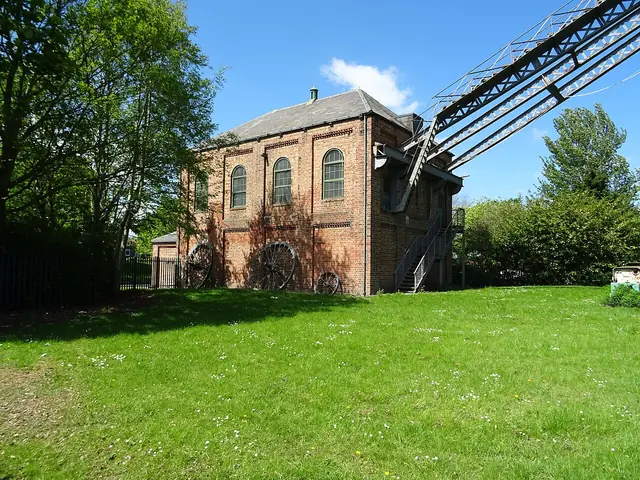
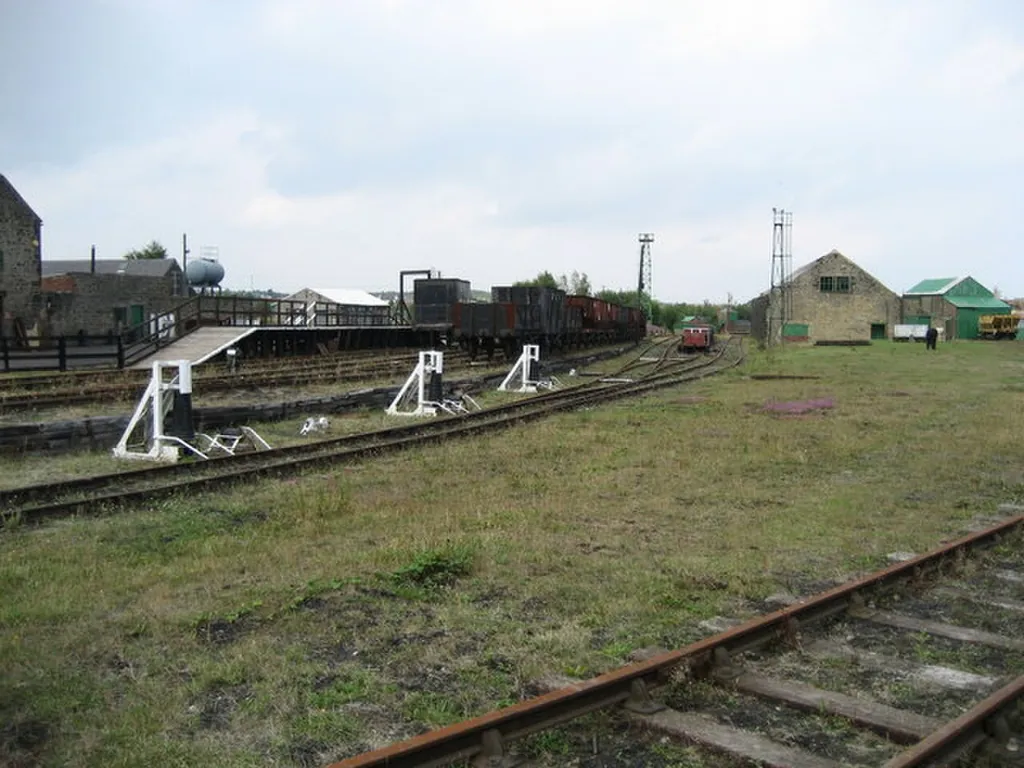
Today the preserved site at Springwell shows part of this working railway. Blackham’s Hill Hauler House can be entered as part of a guided tour, and the museum also offers “Walk the Line” heritage walks along the route of the former 15-mile line.
The collection includes diesel and steam locomotives, brake vans and wagons from the 1800s, among them a wooden “Dandy” wagon, together with narrow gauge locomotives and a mining collection. A reconstructed miners’ cottage shows home life, and working workshops, including a joinery shop, an engineering shop and a blacksmiths, give demonstrations. A wagon shop, where restoration work continues, is also part of the site.
Highlights
- Guided tour of the preserved colliery railway site
- Steam and diesel locomotives, brake vans and wooden “Dandy” wagon
- Blackham’s Hill Hauler House with an internal visit
- Reconstructed miners’ cottage and mining collection
- Demonstrations in the joinery shop, engineering shop and blacksmiths
- “Walk the Line” guided heritage walks along the former railway
Permanent exhibitions
- Locomotives, wagons and mining collection – Steam, diesel and narrow gauge locomotives, brake vans and wagons from the 1800s, shown with a collection of mining objects.
- Miners’ cottage – A reconstructed miners’ cottage that shows everyday home life in the colliery community.
- Workshops and Hauler House – Working joinery, engineering and blacksmith workshops with demonstrations, and the Blackham’s Hill Hauler House, which can be entered on a tour.
- Founded
- 1976
- Operated by
- Bowes Railway Company
Admission & discounts
| Adults | £5 |
|---|---|
| Children & teens | £3Children aged 5 and over. |
Prices are for the guided tour (adults aged 16 and over). Concession and family prices are not published.
Accessibility
- Partially wheelchair accessible
- Elevator: no information
- Accessible restroom: no information
- Accessible parking: no information
- Service dogs welcome: no information
- Tactile models & exhibits: no information
- Sign language tours: no information
- Easy-to-read materials: no information
- Audio description: no information
Most of the site is accessible to wheelchair users, but crossing the track and uneven ground in some areas can be difficult. Staff and volunteers help on site, and visitors can contact the railway beforehand to discuss their access needs.
Kids & families
Great for kids & families
Children’s tour tickets are available for ages 5 and over, and the machinery demonstrations are described as interesting for both children and adults. Seasonal family events include Halloween and Meet Santa.
Getting there & parking
By public transit
Springwell Road-Bowes Railway
Bus 56 stops at Springwell Road-Bowes Railway, and buses X1 and 56 stop at Springwell Perseverance Arms. The nearest main-line stations are Newcastle (about 6 miles) and Durham (about 13 miles).
By car
Free parking
Free car parking on site.
Sat nav postcode NE9 7QJ; what3words ///when.parks.vine.
Get directionsAmenities & dining
- Café
- Restaurant: not available
- Museum shop
A tearoom is staffed by volunteers during events; it is not stated whether it opens on regular tour days. The gift shop sells items made on site, and there is an online shop.
Events & venue rental
The museum hasn’t published any information on this.
Plan your visit
| Guided tours | yes · approx. 1.5 hrs |
|---|---|
| School programs | yes |
| Good to know | The site can be seen only on a guided tour, booked in advance by text message. Schools book their visits through the schools page of the website. |