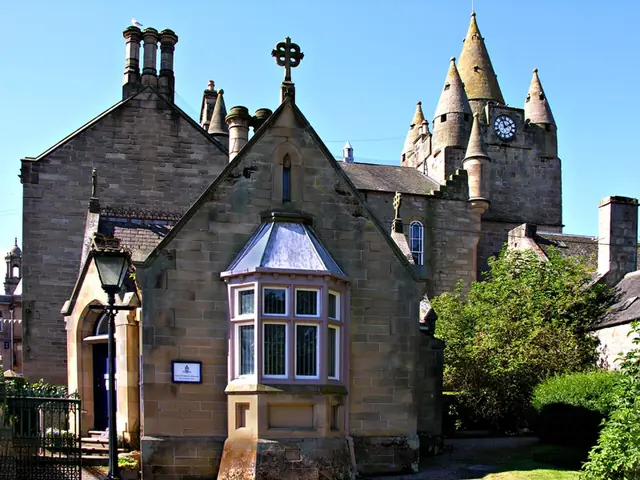
Brora Heritage Centre
Museum in the restored Old Clyne School in Brora telling the story of the area from Jurassic seas to crofting, industry and the Clearances.
Have only individual sections read aloud
About the museum
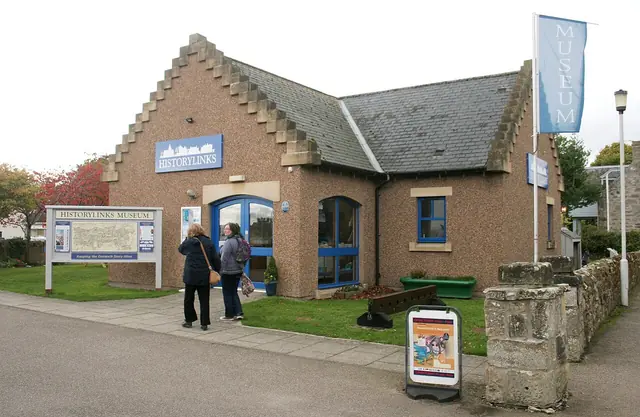
Brora Heritage is run by Clyne Heritage Society, a volunteer-led charity founded in 1998. From 2016 to 2023 the society ran Highland Council's Brora Heritage Centre in a building just outside the village, and in summer 2025 it became independent and moved to the Old Clyne School on the north side of Brora, working under the name Brora Heritage.
The school was built in 1863 and served as the parish school until 1903. It was later converted into flats, was last lived in around 1971 and then fell into disrepair. A community-led restoration, which took more than 15 years of planning, fundraising and building work and cost about £5 million, turned it into a museum, café and shop.
The galleries tell the story of Brora and the parish of Clyne in themed areas. They cover the geology and Jurassic seas of the area, early settlers and the Highland Clearances, crofting, local industries such as coal, salt, whisky, wool and bricks, the history of the school itself and local legends. A Cabinet of Curiosity shows unusual finds, and a temporary exhibition gallery hosts changing displays. The society also runs events, talks, guided walks, archaeological projects and Gaelic conversation mornings and classes.
Highlights
- Restored 1863 parish school building on the A9
- Jurassic Seas gallery on the geology of the area
- Displays on crofting, the Highland Clearances and local industries
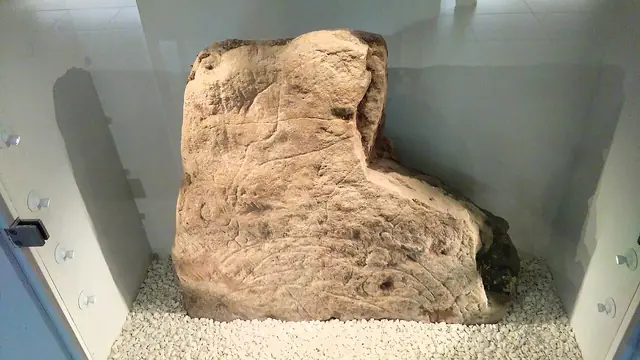
- Cabinet of Curiosity with unusual local finds
- Clyne Kitchen café and a gift shop of Highland makers
Permanent exhibitions
- Jurassic Seas – A gallery on the landscape of warm shallow seas and swamps around 165 million years ago, with a separate Jurassic Coast gallery on geology and fossils.
- Straths & Shores – The story of life in the area from early settlers to the Highland Clearances.
- Industries – Coal, salt, whisky, wool and bricks: the industries that shaped Brora.
- Founded
- 1997
- Operated by
- Clyne Heritage Society
Admission & discounts
| Adults | £8 |
|---|---|
| Children & teens | £5free up to age 11 · Under 12s are free; ages 12 to 16 pay £5. |
Members of Clyne Heritage Society enter free.
Accessibility
- Wheelchair accessible
- Elevator: no information
- Accessible restroom
- Accessible parking
- Service dogs welcome
- Tactile models & exhibits: no information
- Sign language tours: no information
- Easy-to-read materials: no information
- Audio description: no information
The museum, café and gift shop are on the ground floor with step-free access. There is an accessible ground-floor toilet and all toilets are individual rooms. Disabled parking is directly in front of the building. Assistance dogs are welcome throughout. Early mornings and late afternoons are quietest, and the café can get busy at peak times.
Kids & families
Great for kids & families
| Kids’ admission | free up to age 11 |
|---|
- Hands-on stations
The museum describes interactive exhibits and family-friendly displays for visitors of all ages; no specific children's activities are listed.
Getting there & parking
By public transit
Bus stop near the front gate (X99) · 50 m
Bus service X99 (Scrabster, Thurso and Inverness) stops about 50 metres from the front gate, and service X25 connects Brora with Tain. Brora railway station on the Far North Line is about 1.3 km away.
By car
Parking available
Ample parking for cars, camper vans, motorcycles and bicycles, with space for minibuses and coaches.
- Accessible parking
The centre is on the A9 at the north end of Brora, at the junction with Clynelish Distillery Road, on the North Coast 500 route. There are currently no taxi services in Brora.
Get directionsAmenities & dining
- Café
- Museum shop
Clyne Kitchen is a café serving seasonal Scottish food and baking, with about 50 seats; the gift shop sells books, gifts, crafts and local produce.
Events & venue rental
The museum hasn’t published any information on this.
Plan your visit
| Good to know | Well-behaved dogs on leads are welcome in the café but not in the museum galleries. The centre also runs Gaelic conversation mornings and beginners' Gaelic classes, and offers research and genealogy help. |
|---|