Captain Cook Birthplace Museum
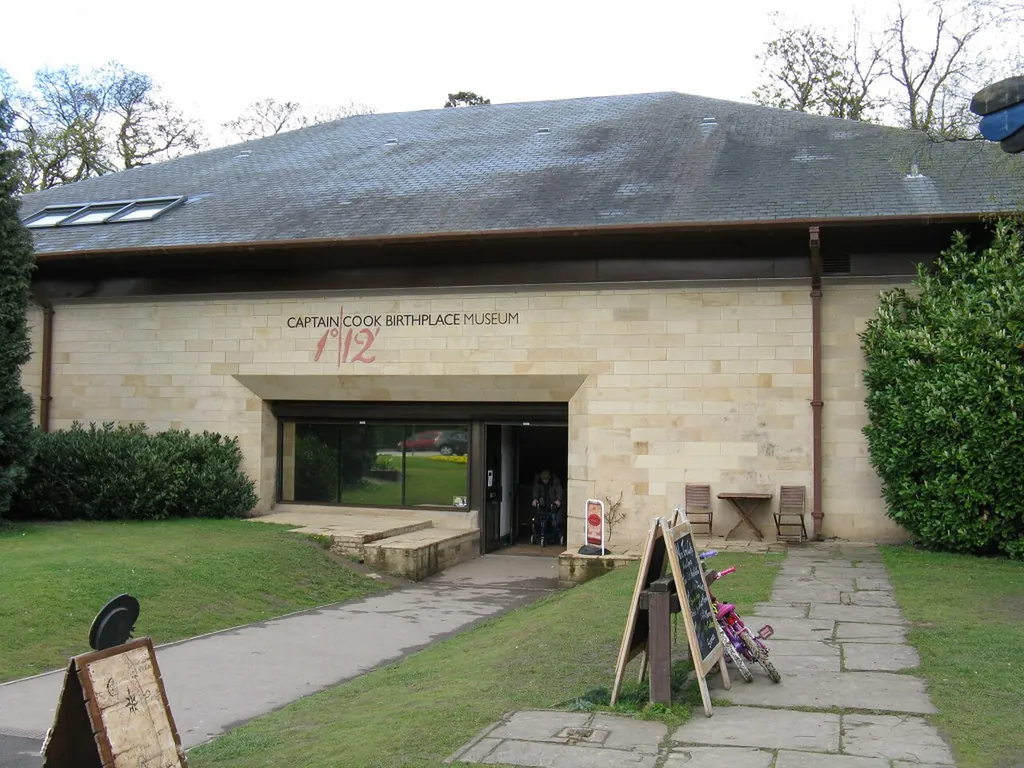
Purpose-built museum in Stewart Park, Middlesbrough, telling the story of Captain James Cook through six permanent galleries and a Walkabout gallery.
Have only individual sections read aloud
About the museum
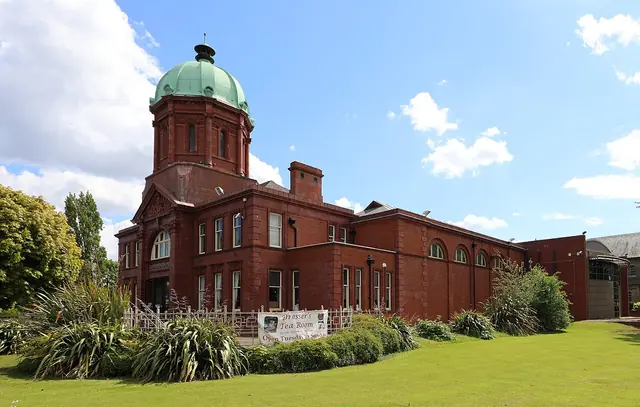
The Captain Cook Birthplace Museum stands in Stewart Park at Marton, near the granite urn that marks the site of the cottage where James Cook was born in 1728. The cottage was in ruins by the mid-1780s, and the urn was set up in 1858 by Henry Bolckow, who developed the estate and built Marton Hall. The estate was bought for the people of Middlesbrough in 1924, and Stewart Park opened to the public in 1928.
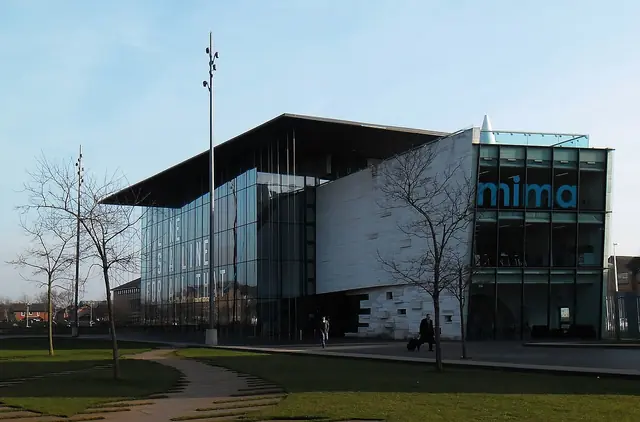
A small Cook display had been kept in a park lodge at the entrance of the park. In 1977 Middlesbrough Council decided to build a new museum as a tribute to Cook; the foundation stone was laid in January 1978 and the building opened on 27 October 1978, the 250th anniversary of his birth. The displays were refreshed and made interactive in a major refurbishment in 1997 and 1998, updated again with an Arts Council grant in 2013, and extended after a government grant of £250,000 in 2017, which paid for a new learning space, collection stores and a gallery for the Indigenous Australian Aboriginal collection.
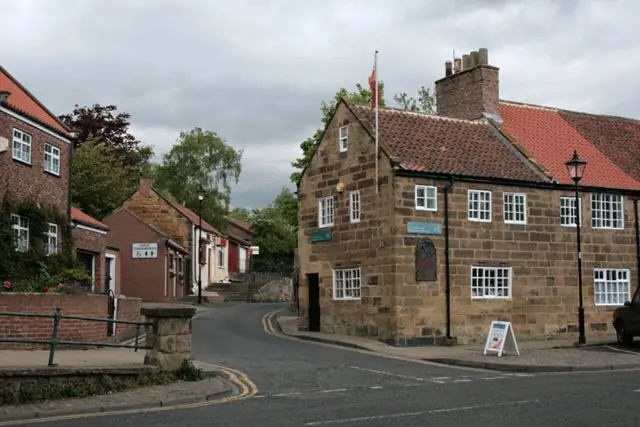
The galleries follow Cook chronologically from his childhood in Marton, Great Ayton and Staithes, through his training at Whitby and service in the Royal Navy, to his three Pacific voyages and his death in Hawaii in 1779. Alongside the Cook story, the museum shows natural history specimens and world cultures objects from the Middlesbrough Museums collection.
Highlights
- Reconstruction of Cook's birthplace cottage interior with a spoken scene
- Life aboard an 18th-century ship, including a glimpse of the captain's cabin on HM Bark Endeavour
- Gallery for each of Cook's three voyages with Maori carvings and Polynesian objects
- Walkabout gallery with a large Indigenous Australian Aboriginal collection
- Interactive globe tracing the three voyages
Permanent exhibitions
- Cook's early years and life at sea – Cook's childhood and early career, including a reconstructed birthplace cottage interior, and daily life aboard an 18th-century ship.
- The three voyages – Galleries for the first, second and third voyages with natural history specimens, Maori and Polynesian objects, films and an interactive globe.
- Walkabout gallery – Indigenous Australian Aboriginal art and objects with native wildlife specimens, opened to the public on certain days in the school holidays.
- Founded
- 1978
- Operated by
- Middlesbrough Council
Admission & discounts
| Adults | £4.80 |
|---|---|
| Reduced | £3.80Over-65s and students |
| Children & teens | £3.80Child ticket for under-16s. |
| Seniors | £3.80Over-65s. |
| Visitors with disabilities | –companion free · A concessionary rate for disabled people is offered; carers and personal assistants are free. |
| Students & apprentices | £3.80 |
| Families | £14.102 adults and 2 children. |
| Family ticket: 1 adult and 3 children | £13 |
Adult tickets are for visitors aged 16 and over.
Accessibility
- Wheelchair accessible
- Elevator
- Accessible restroom
- Accessible parking
- Service dogs welcome
- Tactile models & exhibits: no information
- Sign language tours: no information
- Easy-to-read materials: no information
- Audio description: no information
A long, gently sloped ramp leads to automatic doors at the entrance. Two lifts serve the three floors, each taking one wheelchair at a time, and there is level access on each floor. One wheelchair is free to borrow from the welcome desk. Hearing loops are at the welcome desk, gift shop and learning room. An accessible toilet with an emergency alarm and baby changing is on the ground floor; the nearest Changing Places toilet is in the Stewart Park visitor centre. Blue Badge bays are in the main visitor car park and next to the museum via The Grove entrance. Assistance dogs are welcome and personal assistants are admitted free. Relaxed sessions run with temporary exhibitions. The path from the main car park to the museum is a five-minute walk with a steep final climb.
Kids & families
Great for kids & families
| Family ticket | £14.10 · 2 adults and 2 children. |
|---|
- Family tours & workshops
- Activity booklet, scavenger hunt or kids’ audio guide
- Hands-on stations
- Baby changing facilities
Younger visitors enjoy interactive features and animations in the galleries, such as learning the Middlesbrough Haka and recreating a meal from the ship's stores. A baby change station is in the accessible toilet, and breastfeeding is welcome. Stewart Park has a children's play area and a pets' corner, and an Island Discovery Trail map is available from the gift shop.
Getting there & parking
By public transit
Marton railway station · 5-min walk
Marton railway station is next to Stewart Park, 0.2 miles from the park entrance and about a five-minute walk. Buses 28, 29, 39 and 63 run from Middlesbrough bus station on Newport Road; several stops are on the edge of the park.
By car
Free parking
Free car park in Stewart Park, entered from Ladgate Lane (TS7 8AP). A second car park next to the museum is reached via The Grove (TS7 8AN) and has a limited number of Blue Badge bays.
- Accessible parking
The museum is at the heart of Stewart Park. Coaches can unload in the designated bays in the visitor car park.
Get directionsAmenities & dining
- Museum shop
Cook's Café on the first floor was closed for refurbishment at the time of research. The gift shop at the entrance is open during museum hours.
Events & venue rental
The museum hasn’t published any information on this.
Plan your visit
| School programs | yes |
|---|---|
| Good to know | Learning programmes include self-led school visits with a sensory trolley for pupils with special educational needs, workshops, loan boxes and bookable education rooms. The museum is in a park where picnics are possible. |