Chain Bridge Forge Museum
Working blacksmith’s forge from the early 1800s in Spalding, run by volunteers as a living museum with demonstrations and blacksmithing taster sessions.
Have only individual sections read aloud
About the museum
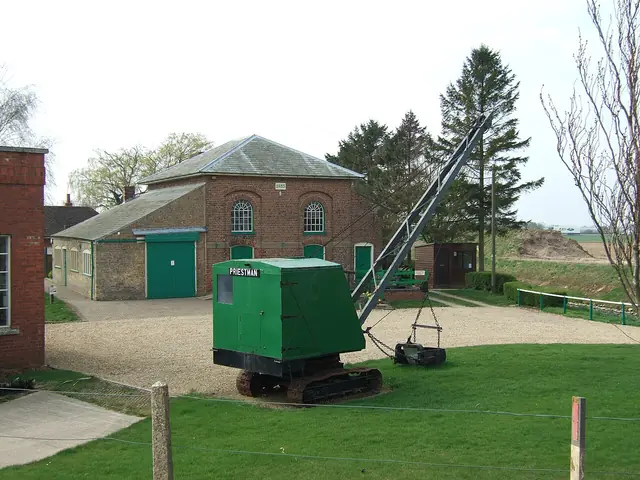
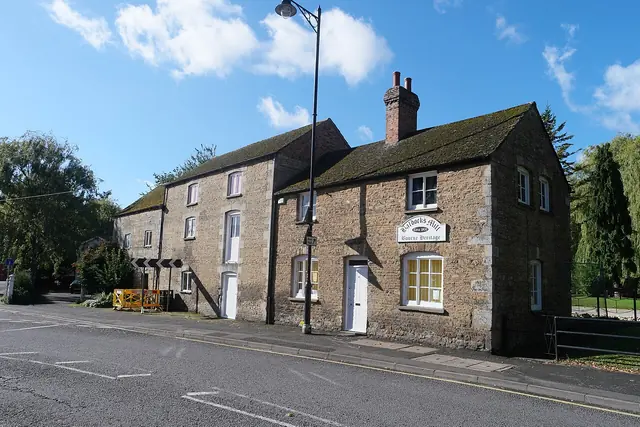
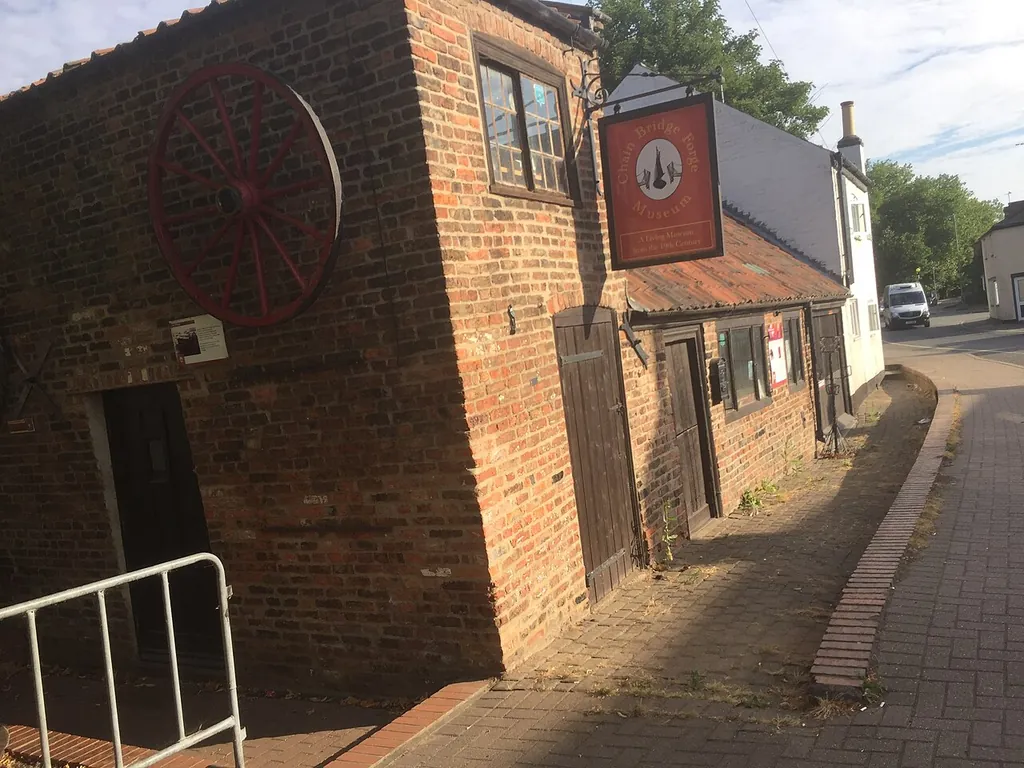
Chain Bridge Forge stands beside the River Welland in Spalding. The workshop has roots in the mid 1700s, and the present building was put up in the early nineteenth century as a purpose-built blacksmith’s shop. It takes its name from the nearby footbridge, which was once supported by chains. In the mid nineteenth century the smith also serviced boats at Spalding’s port.
The Dodd family owned the forge from 1899 and worked there for three generations, shoeing horses, repairing farm tools and, later, building frames for the floats of Spalding’s Flower Parade. When the building fell into poor repair in the 1980s, South Holland District Council bought it in 1988 for a nominal £1.
The Friends of Chain Bridge Forge were formed in 2011 and took the forge on a long lease. Heritage Lottery funding paid for restoration and improved access, and the forge opened to the public as a museum in September 2012. Today it works as a living forge: a blacksmith takes commissions and teaches courses, volunteers show historic techniques, and an innovation lab with 3D printing and a virtual-reality blacksmith simulator links the craft to modern technology. The forge also keeps a local history library and an online collection of artefacts from the South Holland area.
Highlights
- Working forge with original features and tools
- Blacksmith demonstrations and taster sessions on Saturdays
- Blacksmithing experience days for beginners and advanced learners
- Innovation lab with 3D printers and a virtual-reality blacksmith simulator
- Local history library and online collection of South Holland artefacts
- Founded
- 2012
- Operated by
- Friends of Chain Bridge Forge
Admission & discounts
Admission is free.
| Beginners blacksmithing experience day (from) | £90Pre-booked courses; a gift voucher is available from £80. |
|---|
Visiting the forge is free; the museum receives no public funding for running costs and relies on its blacksmith’s earnings and donations. Experience days must be booked in advance.
Accessibility
- Wheelchair accessible
- Elevator: no information
- Accessible restroom
- Accessible parking: no information
- Service dogs welcome
- Tactile models & exhibits: no information
- Sign language tours: no information
- Easy-to-read materials: no information
- Audio description: no information
There is level access to all buildings, and a step at the exit can be avoided by leaving through the entrance. Assistance dogs are welcome throughout and water bowls are provided outside.
Kids & families
Great for kids & families
- Family tours & workshops
- Hands-on stations
Children can try blacksmithing in taster sessions (introductory session from age 7 with an adult) and make a coat hook to take home; a small charge applies to school taster sessions.
Getting there & parking
By public transit
Spalding railway station
The nearest railway station is Spalding, about 2 miles away.
By car
No on-site parking at the museum.
There is no designated parking, only limited street parking. Two public car parks are within a 5-minute walk: one further down High Street and one across the river at the Castle Sports Centre.
Use postcode PE11 1TX for satnav. High Street is one-way and the forge is easy to miss. Bicycles can be secured on site.
Get directionsAmenities & dining
Refreshments come from a machine in the Shoeing Shed. The forge is a no-smoking site, and there is a place to secure bicycles.
Events & venue rental
The museum hasn’t published any information on this.
Plan your visit
| School programs | yes |
|---|---|
| Good to know | Experience-day courses take four people. The introductory session is for ages 7 and over with an adult, and half-day and full-day courses are for ages 13 and over. All safety equipment and tools are provided; visitors should wear sturdy shoes and tie back long hair. Schools can book taster sessions in which each pupil makes a coat hook, and the forge can bring a portable forge to schools. |