Great Torrington Heritage Museum
A small volunteer-run town museum in Great Torrington with a Victorian shop, a glove factory and a Civil War street experience.
Have only individual sections read aloud
About the museum
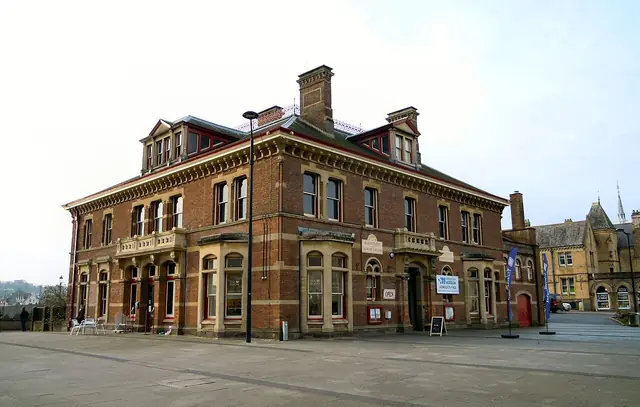
The museum is housed in the Market House on South Street in Great Torrington, a building dating from 1842. A hall on the South Street side was used for lectures, exhibitions and concerts and became the public library in 1936. A redevelopment of the Market House in 1999, known as the Genesis Project, helped create the Great Torrington Heritage Museum next to the market.
The museum is free to enter and is run by volunteers. Much of its collection was donated by local people. Its displays include a recreated Victorian-style shop, a social history room that follows one Torrington family across several generations, and the workshop of a local glove maker, recalling the town's long tradition of glove making.
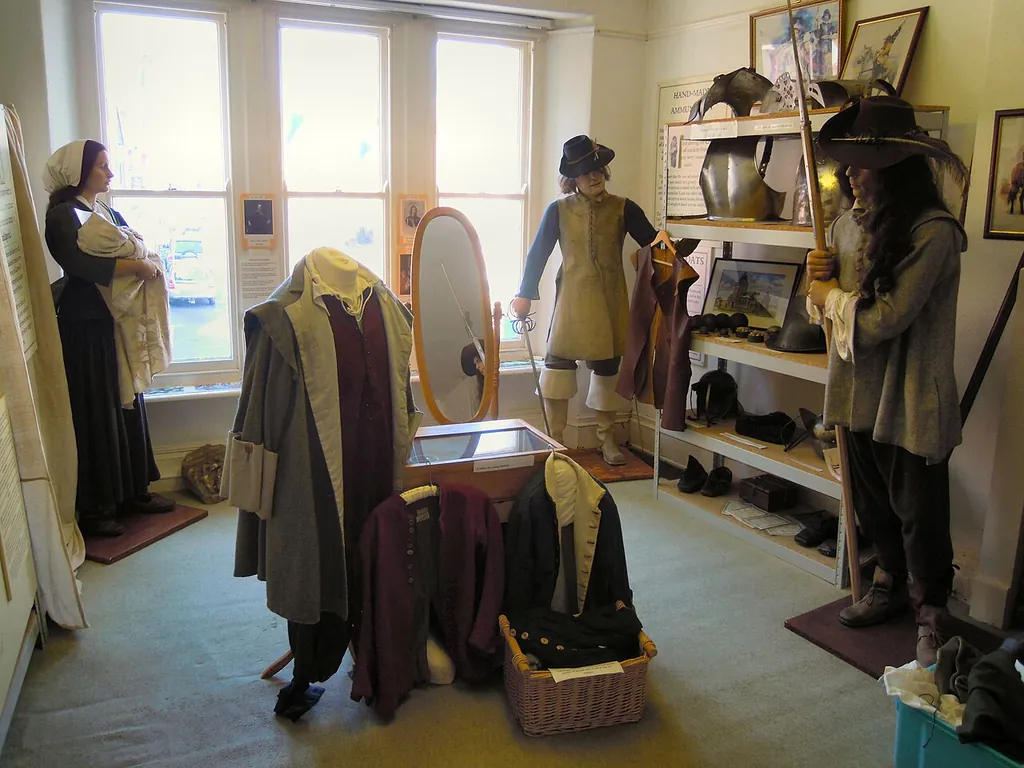
A special experience, the 1646 Civil War Street, takes visitors through Torrington on the night of the last major battle of the English Civil War on 16 February 1646.
Highlights
- Victorian-style shop full of everyday objects
- Social history room following a Torrington family from the 1600s to today
- Glove factory with the original equipment of Vaughan Tapscott's workshop
- 1646 Civil War Street experience
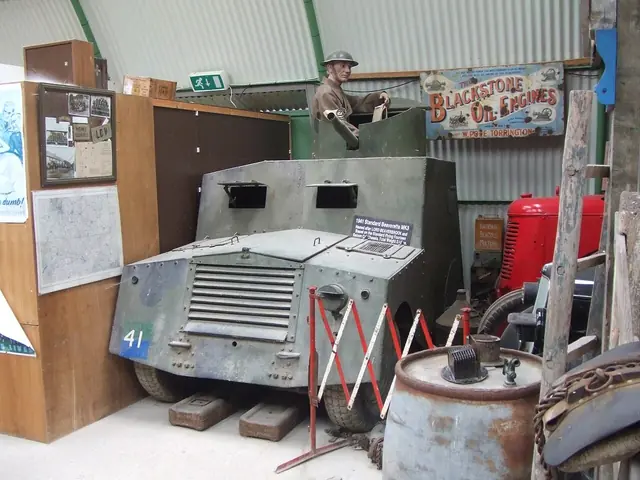
- Quirky collections such as town weights and measures and Home Guard crisps
Permanent exhibitions
- The Victorian-style shop – A recreated shop filled with everyday objects from the time when local shops sold almost everything.
- Social history room – The story of one Torrington family across several generations, showing changes in home life, social attitudes and women's lives.
- The glove factory – A reconstruction of Vaughan Tapscott's workshop with original equipment, reflecting the town's history of glove making.
Admission & discounts
Admission is free.
| Groups | –Groups of up to 20 are welcome by prior arrangement; a donation of £5 per person is appreciated. |
|---|
Admission is free and donations are welcome.
Accessibility
- Partially wheelchair accessible
- Elevator: no information
- Accessible restroom: no information
- Accessible parking: no information
- Service dogs welcome
- Tactile models & exhibits: no information
- Sign language tours: no information
- Easy-to-read materials: no information
- Audio description: no information
The upstairs rooms and the 1646 experience are not accessible because of narrow, steep stairs, uneven floors and fire evacuation limits. A folder offers a mini-tour of the rooms that cannot be reached. Chairs are available for resting and all interpretation is in large print. The 1646 experience is fairly dark and has sound effects, which staff will turn down or off on request. The museum will help with specific needs such as autism or dementia. Well-behaved dogs on leads are welcome.
Kids & families
Great for kids & families
- Family tours & workshops
- Activity booklet, scavenger hunt or kids’ audio guide
Reception offers children's tours of the town and a museum quiz tour, and a children's activity book is available. A handling collection of real historic objects is being developed. Young visitors are encouraged to explore and ask questions.
Getting there & parking
By public transit
Calf Street
Buses run to Torrington from Exeter, Barnstaple and Bideford. The nearest stops are Calf Street and the church.
By car
Paid parking · 3-min walk to the entrance
Sydney House and Barley Grove car parks are each about three minutes' walk away; charges apply.
The museum is at the end of the town square, between the chip shop and the Pannier Market, opposite the clock tower.
Get directionsAmenities & dining
- Café: not available
- Museum shop
There is no tearoom; food and drink are available around the town. The shop sells local books, leaflets and guides. Toilets are available on both floors.
Events & venue rental
The museum hasn’t published any information on this.
Plan your visit
| School programs | yes |
|---|---|
| Good to know | The education officer can lead school tours of the museum and town on a chosen theme or period. Groups of up to 20 are welcome by prior arrangement. |