Much Hadham Forge Museum
Grade II* listed village museum with Tudor wall paintings, local history displays and a working blacksmith’s forge.
Have only individual sections read aloud
About the museum
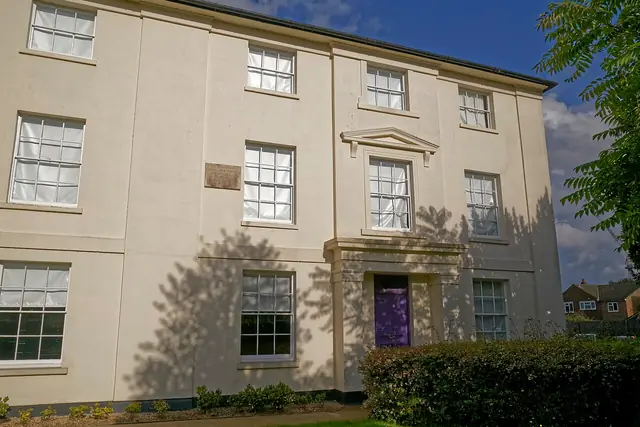
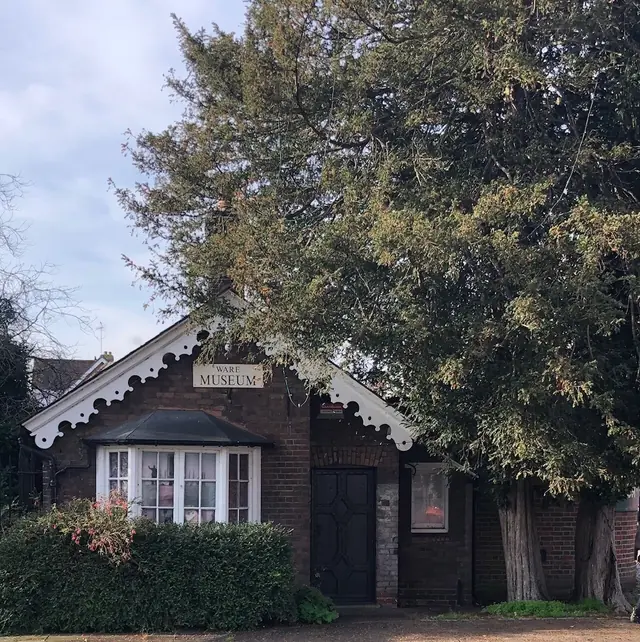
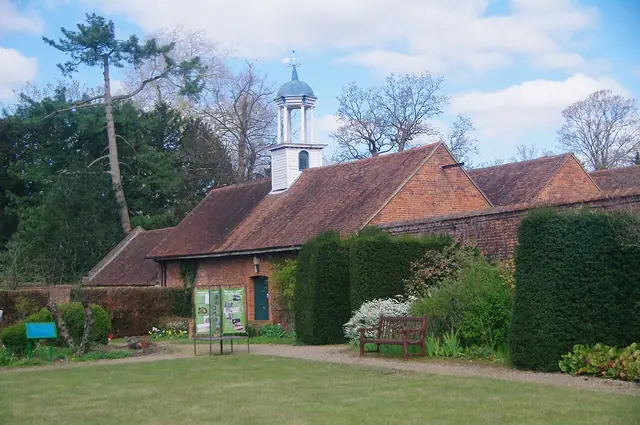
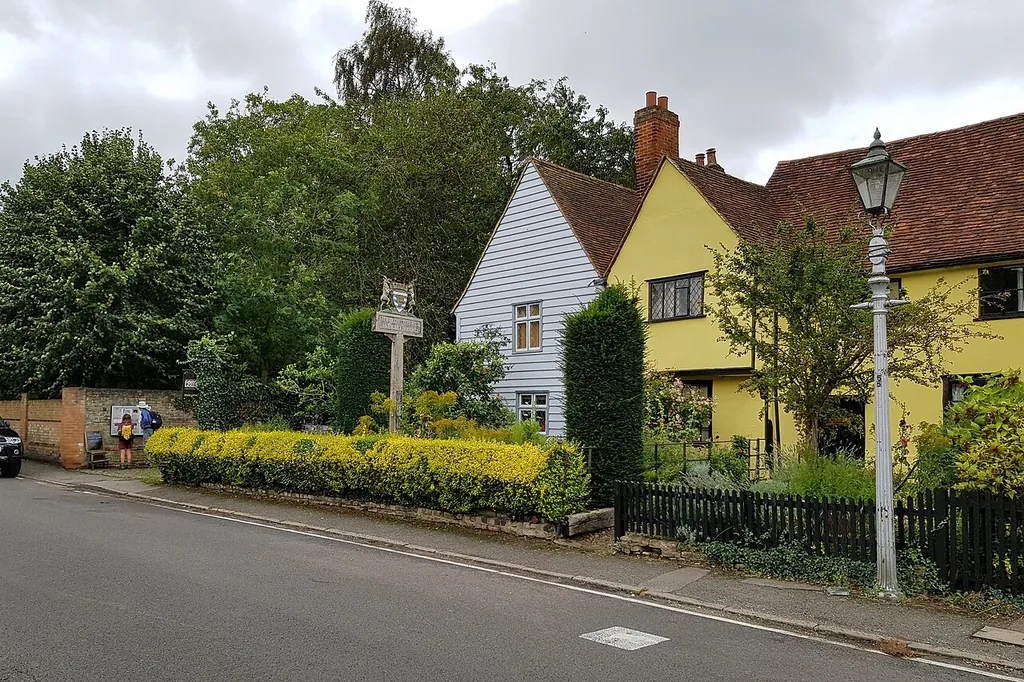
The museum occupies a historic group of buildings on the High Street of Much Hadham. The oldest parts date from the 15th century, the forge and bellows room belong to a converted 17th-century barn, and the shoeing room and blacksmith’s shop were added in 1811. The house was home to the Newce family in Tudor times, and one room still holds wall paintings from the late 16th century, including a scene of the Judgement of Solomon dated 1576 with the royal arms of Queen Elizabeth I.
In 1988 the last private owner, Jean Page, gave the house, the forge, her collection of tools and two cottages to the Hertfordshire Building Preservation Trust. The buildings were restored and the museum first opened in 1991. A larger refurbishment funded by the Heritage Lottery Fund followed, and the museum was re-opened in 2009.
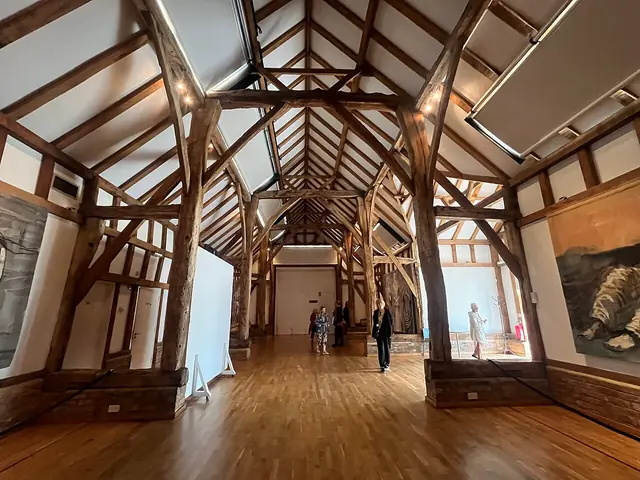
Today the displays cover the families who lived in the house, the work of the village blacksmith and the wider history of Much Hadham and Little Hadham from the Bronze Age to the present. A local resource room holds archives of village clubs and societies, and the Jean Page Room hosts art exhibitions and craft activities. The original forge is still in use by a working blacksmith who runs his own business on the site.
Highlights
- Tudor wall paintings of the late 16th century, including the Judgement of Solomon
- Original working blacksmith’s forge and bellows room
- Local history gallery for Much Hadham and Little Hadham
- Archive and local resource room open to browse
- House Detective Bags for children
Permanent exhibitions
- Tudor wall paintings – A room with late 16th-century paintings that show Queen Elizabeth I in the Judgement of Solomon, the royal arms and the arms of the Newce family.
- The forge and the village blacksmith – Galleries on the blacksmith’s craft and the original working forge and bellows room, with tools from the village trades.
- Local history gallery – Objects from the Hadhams from the Bronze Age to today, together with domestic items from the house and village archives.
- Founded
- 1991
Admission & discounts
| Adults | £3.50 |
|---|---|
| Reduced | £2.50Concessions |
| Children & teens | £1.50 |
| Families | £7 |
The annual exhibitions and the temporary exhibitions in the Jean Page Room are free to visit.
Accessibility
- Wheelchair accessible
- Elevator: no information
- Accessible restroom
- Accessible parking: no information
- Service dogs welcome
- Tactile models & exhibits: no information
- Sign language tours: no information
- Easy-to-read materials: no information
- Audio description: no information
The museum and café are fully wheelchair accessible. An induction loop is installed in the exhibition area, and hearing aid users can switch to the “T” setting. An accessible toilet with an emergency call system is on the ground floor beside the café.
Kids & families
Great for kids & families
| Family ticket | £7 |
|---|
- Family tours & workshops
- Activity booklet, scavenger hunt or kids’ audio guide
- Hands-on stations
- Baby changing facilities
- Kids’ birthday parties
The museum describes itself as family-friendly. Children can borrow House Detective Bags, and children’s birthday parties with pottery painting and crafts are available at £10 per head.
Getting there & parking
By public transit
Much Hadham village hall (bus 351)
Bus 351 runs between Bishop’s Stortford and Hertford every two to three hours, but not on Sundays. Passengers get off by the village hall, opposite the museum.
Amenities & dining
- Café
A café is part of the museum. An online shop sells Forge Museum products.
Events & venue rental
- Spaces for rent
- Private parties
- Corporate events
Children’s birthday parties for up to 16 children and venue-only party hire are offered. Team away days are possible for up to 12 people, and a meeting room can be booked from £7.50 per hour. Educators can hire the venue as a workshop space, and charities can host a charity café at weekends.
Plan your visit
| School programs | yes |
|---|---|
| Good to know | Schools and pre-schools can book guided trails, taught workshops, loan boxes and craft activities. Clubs and societies are welcome. A curator can give illustrated talks on the Tudor wall paintings. The blacksmith runs experience days independently of the museum. |