Museum of Timekeeping
Accredited museum of clocks, watches and horological tools in Upton Hall, home of the British Horological Institute, with a leading horology library.
Have only individual sections read aloud
About the museum
The museum's collection goes back to 1858, when members of the British Horological Institute (BHI) began to gather and donate rare clocks, watches, books, instruments and tools to help train future clockmakers and watchmakers. In 1994 the collection was handed over to the BHI Museum Trust, and in 2018 it became an independent charity under the name Museum of Timekeeping. It received Accredited Museum status from Arts Council England in 2023.
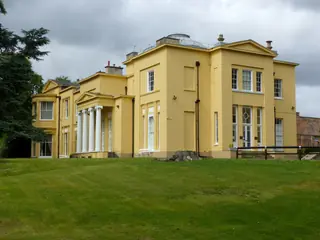
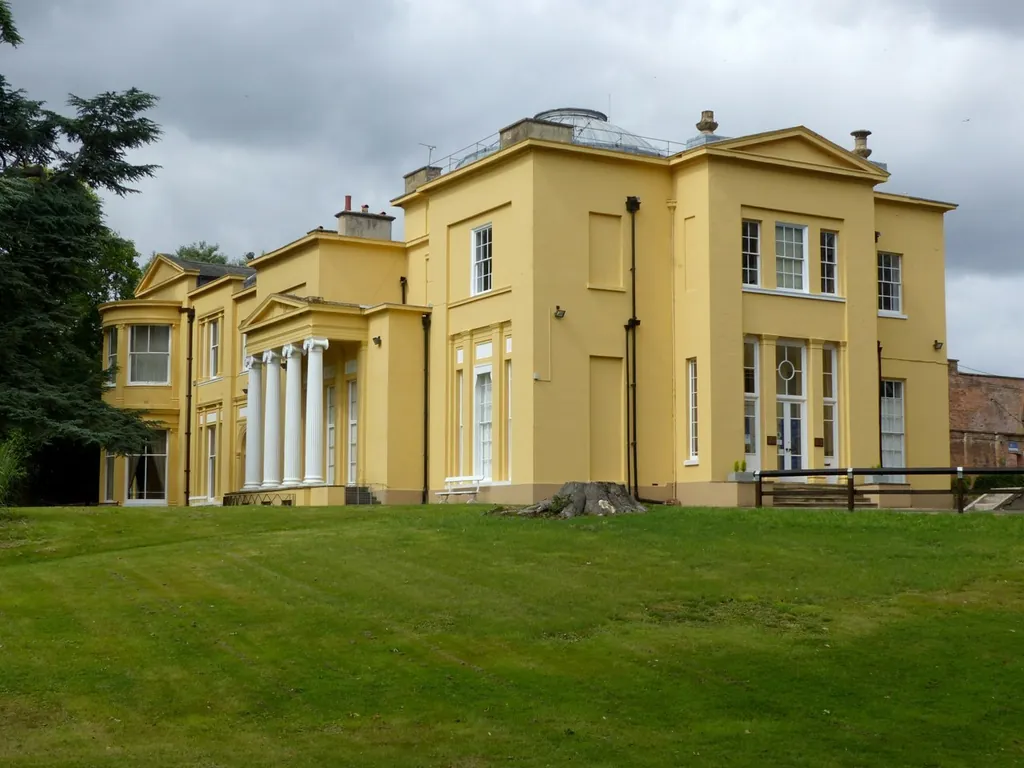
The museum is housed in Upton Hall, a Grade II* listed country house in the Nottinghamshire village of Upton, between Southwell and Newark-on-Trent. The Hall's origins reach back to at least the 14th century, and the present Neo-Classical building was designed by William Donthorne for the Nottingham banker Thomas Wright in 1828. It later served as a family home, a theological school and, since 1972, the headquarters of the BHI.
The collection holds about 8,000 to 10,000 clocks, watches, timepieces, tools, instruments and photographs, together with one of the world's leading horological libraries. Galleries cover early timekeeping, watches, electric clocks, the evolution of the longcase clock and all four British speaking clocks, and the highlights include a watch carried by Captain Scott on his Antarctic expeditions. The museum is run entirely by volunteers and is open to the public on Fridays during the season, with group tours available all year by arrangement.
Highlights
- Complete set of British speaking clocks in working order
- Watch that belonged to Captain Robert Scott
- Wonders of Watches gallery with the story of women in watchmaking
- Longcase clocks in the Grand Hall and Upper Gallery
- Horological library, one of the foremost in the world
Permanent exhibitions
- Wonders of Watches Gallery – The development of the watch, including the role of women in watchmaking and the watch Captain Scott took to the Antarctic.
- Speaking Clock Gallery – All British speaking clock models, preserved so that they can still announce the time.
- Grand Hall and Upper Gallery – Longcase clocks from the earliest monastic timekeepers to precision regulators, spread over the ground and first floors.
- Founded
- 1994
- Operated by
- Museum of Timekeeping (charitable incorporated organisation)
Admission & discounts
| Adults | £10 |
|---|---|
| Children & teens | freefree up to age 13 · Under 14s are free. |
| Groups | £12 per personGuided group tour of about two hours, with a minimum charge of £120 per group; tour with refreshments is £15 per person. Groups of 15 to 40 are ideal. |
| Group tour with refreshments | £15Per person. |
Tickets are sold at the door. Art Pass holders pay £5, British Horological Institute members pay £4, and Timekeepers' Club members enter free.
Accessibility
- Partially wheelchair accessible
- Elevator: no information
- Accessible restroom
- Accessible parking
- Service dogs welcome
- Tactile models & exhibits: no information
- Sign language tours: no information
- Easy-to-read materials: no information
- Audio description: no information
All main galleries are on the ground floor on a single level. The main entrance has a few steps, but a signposted accessible entrance leads through a side door behind the Clock House Café building, and doors are wide enough for standard wheelchairs and small mobility scooters. The Grand Hall Upper Gallery, the Red Corridor and the library can be reached only by stairs. Accessible toilets with pull-cord alarms are off the Ballroom, reached by a steep ramp, and in the teaching block. The grounds have a gravel drive and uneven lawns. A wheelchair, magnifying sheets, coloured overlays, torches and noise-reducing headphones can be borrowed, and a quiet slot can be arranged on request. Accessible parking is signposted in the main car park. Assistance and companion animals are welcome; other animals are not allowed in the buildings.
Kids & families
Great for kids & families
| Time needed | approx. 60 min |
|---|---|
| Kids’ admission | free up to age 13 |
The museum encourages families to visit, and children are free to explore the building and grounds. Under 14s enter free but must be accompanied by an adult.
Getting there & parking
By public transit
The nearest mainline stations are Newark Northgate and Newark Castle, about 6 miles away. Onward travel is by taxi or the limited bus services through Upton: Stagecoach route 29 and Travel Wright routes 227 and 365.
By car
Free parking
Large free car park on site, entered from Main Street.
- Accessible parking
Upton is on the A612 between Southwell (3 miles) and Newark-on-Trent (6 miles), within easy reach of the A1, A46 and A52. The entrance is off Main Street, about 200 m beyond the Cross Keys pub when approaching from Southwell. A roadside footpath along the A612 links Upton with Southwell.
Get directionsAmenities & dining
- Café
- Museum shop
The Clock House Café is on site; its opening times are not published. The museum shop sells museum-branded gifts, books and artworks by a local artist.
Events & venue rental
The museum hasn’t published any information on this.
Plan your visit
| Guided tours | yes · approx. 2 hrs |
|---|---|
| Good to know | The museum recommends allowing at least one hour. Pre-booked group tours last about two hours and are held from Monday to Thursday between 10:00 and 14:00. The museum has no formal education programme yet, but school and community groups can contact it to arrange a visit. Children under 14 must be accompanied by a responsible adult. |