National Paralympic Heritage Centre
Free, fully accessible museum at Stoke Mandeville Stadium telling the story of the birthplace of the Paralympic movement.
Have only individual sections read aloud
About the museum
Stoke Mandeville is widely regarded as the birthplace of the Paralympic movement. In the 1940s Dr Ludwig Guttmann, working with patients at Stoke Mandeville Hospital, introduced sport as part of their recovery, and the first Stoke Mandeville Games were held in 1948. From these small beginnings grew the Paralympic Games of today.
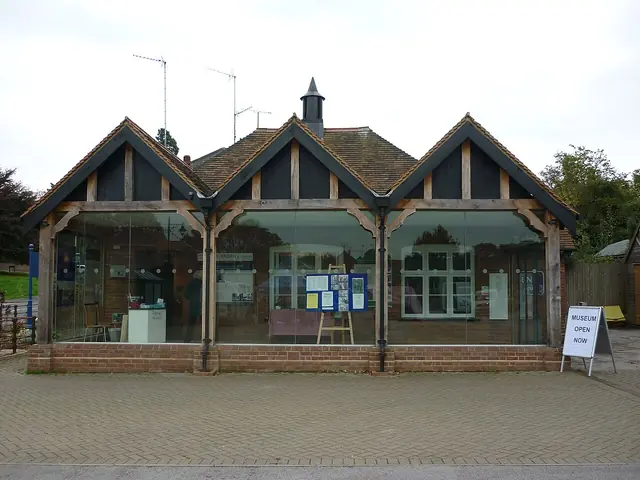
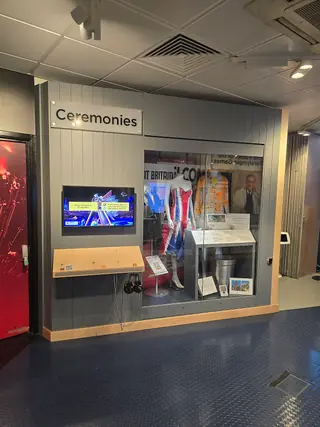
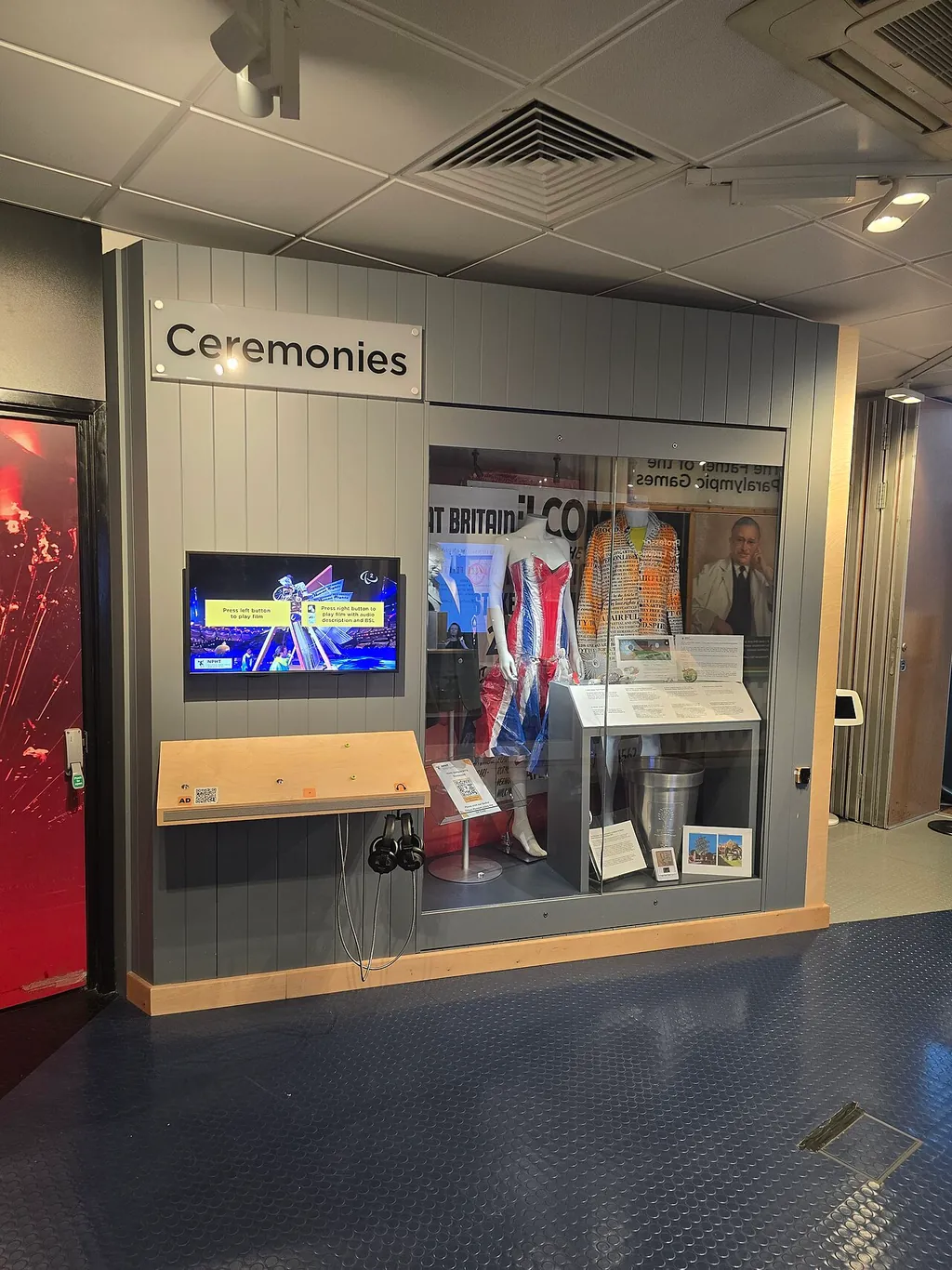
The National Paralympic Heritage Centre opened in 2019 inside Stoke Mandeville Stadium and is run by the National Paralympic Heritage Trust, a charity. The small museum tells the life and work of Professor Sir Ludwig Guttmann, follows the key milestones from the 1948 Games to the present Paralympic Games, and explores the development of wheelchair sports and Paralympic ceremonies.
The centre was designed to be accessible to everyone, with audio description, British Sign Language films, braille captions, touch objects and a sensory trail. The trust also runs a Global Virtual Museum online, regional and temporary exhibitions, and learning programmes for schools, families and community groups.
Highlights
- The life and work of Professor Sir Ludwig Guttmann
- From the 1948 Stoke Mandeville Games to the modern Paralympic Games
- Development of wheelchair sports and sports equipment
- Touch objects, audio description, BSL films and a sensory trail
Permanent exhibition
- Paralympic Heritage Centre – The displays cover the life of Sir Ludwig Guttmann, the road from the 1948 Stoke Mandeville Games to the Paralympics, wheelchair sports and Paralympic ceremonies.
- Founded
- 2019
- Operated by
- National Paralympic Heritage Trust
- Director
- Vicky Hope Walker
Admission & discounts
Admission is free.
Entry is free and no booking is required for individuals and families.
Accessibility
- Wheelchair accessible
- Elevator: no information
- Accessible restroom
- Accessible parking
- Service dogs welcome
- Tactile models & exhibits
- Sign language tours: no information
- Easy-to-read materials: no information
- Audio description
There is step-free access from the car park to the stadium and the centre, level access throughout and plenty of Blue Badge bays. The reception has an induction loop, as does the Dr Guttmann exhibit. Hand-held large-print guides and braille captions are available, a few objects can be touched, and audio guides include audio description. Films with speech have BSL interpretation and subtitles. A sensory trail, a sensory map and a visual story help visitors prepare, and the stadium music can be switched off on request. Assistance dogs are welcome and the cafe can provide water bowls.
Kids & families
Great for kids & families
| Time needed | approx. 40 min |
|---|
- Family tours & workshops
- Activity booklet, scavenger hunt or kids’ audio guide
- Hands-on stations
The museum offers family activity sheets, a symbol-based (Widgit) tour of the centre, a sensory trail and family events with Paralympians. School programmes for key stages 1 and 2 include role play and a sensory story.
Getting there & parking
By public transit
Guttmann Road (bus 165)
The stadium lies between Aylesbury and Stoke Mandeville railway stations, each a 1.6-mile walk away. Bus 165 stops on Guttmann Road (0.2 mile walk); buses 130, 300 and X30 and others stop at Stadium Approach (0.3 mile walk).
By car
Free parking
The stadium has a large car park with many disabled bays. Parking is free for up to three hours.
- Accessible parking
Look for the brown road signs for Stoke Mandeville Stadium; satnav postcode HP21 9PP.
Get directionsAmenities & dining
- Café
There is a cafe with seating beside the centre inside the stadium.
Events & venue rental
The museum hasn’t published any information on this.
Plan your visit
| Guided tours | yes |
|---|---|
| Audio guide | yes |
| School programs | yes |
| Good to know | The exhibition is small; the museum suggests allowing 20 to 40 minutes. Guided tours and talks are offered to schools and groups, and school and group sessions include a tour of the stadium and workshops. |