Nottingham Industrial Museum
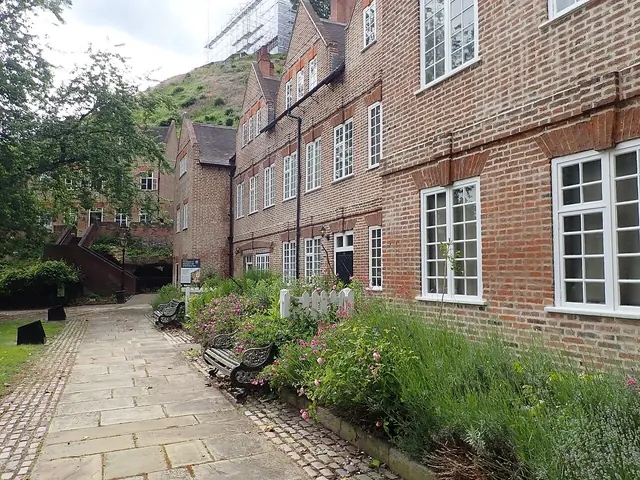
Volunteer-run museum in the Wollaton Hall stables with working steam engines and displays on Nottingham lace, bicycles, motorcycles and other local industry.
Have only individual sections read aloud
About the museum
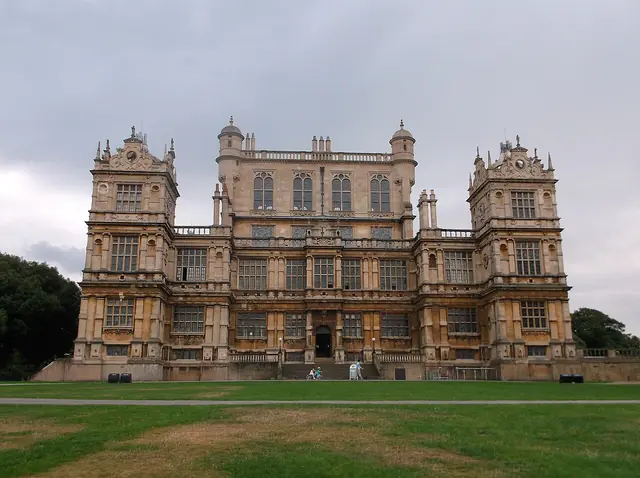
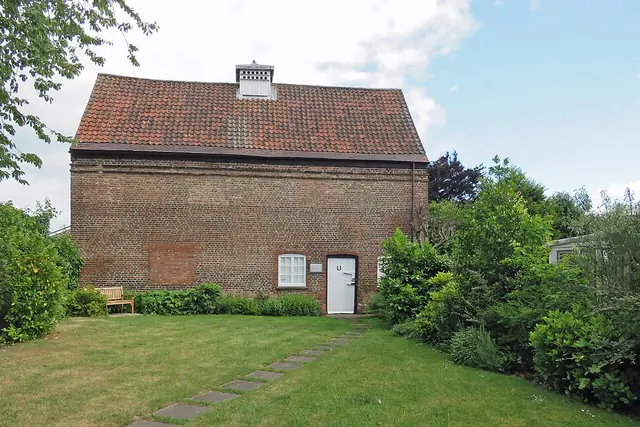
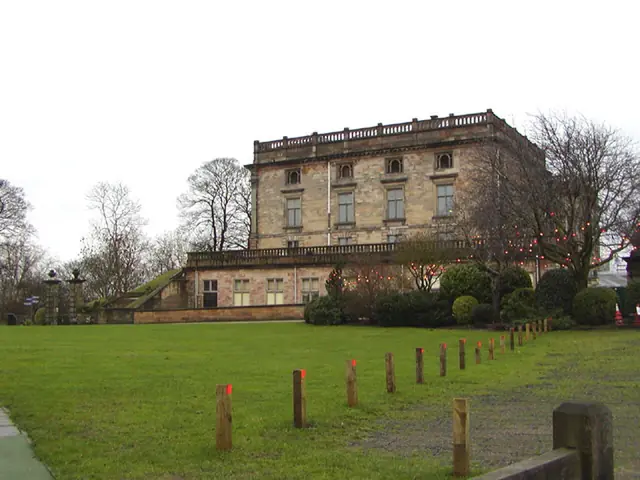
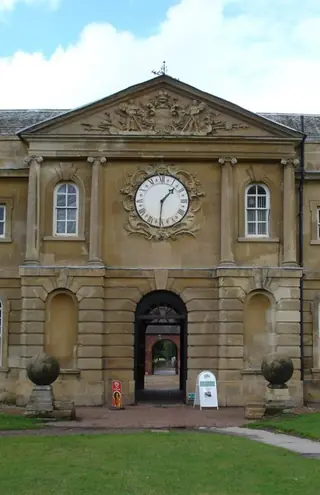
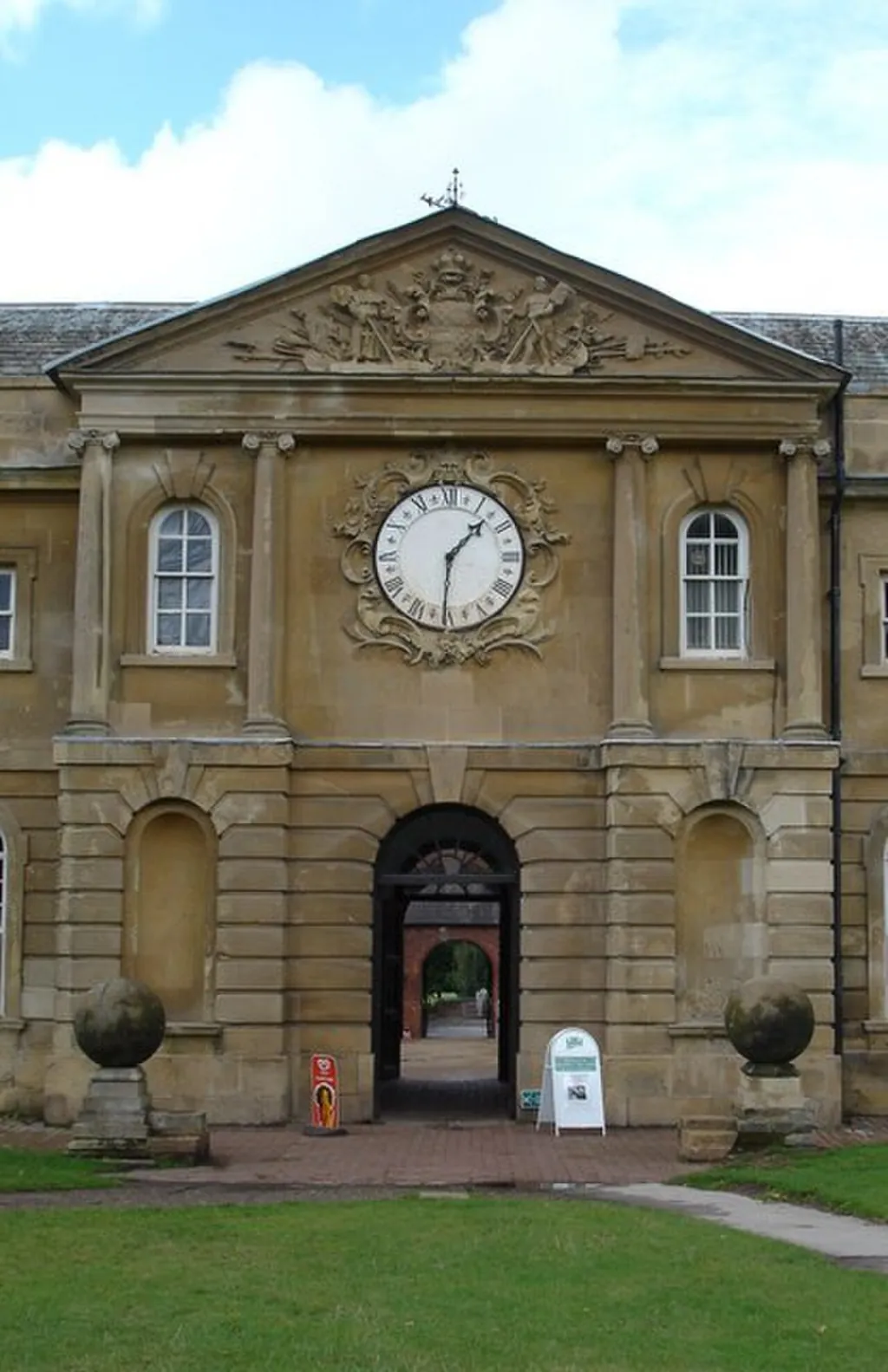
The collection of Nottingham Industrial Museum began in 1964, when local engineers, who became known as the Nottingham Arkwright Society, and Nottingham City Council set up an industrial heritage collection in the stable buildings of Wollaton Hall. It opened to the public in 1971, and by 1975 many of the engines had been restored to working order. The Basford Beam Engine steamed in public for the first time at Easter 1977.
Funding cuts forced the museum to close in 2009. Volunteers kept the engines running on Steaming Days in the Steam Hall, the galleries were refurbished in winter 2011 and the museum reopened in March 2012. In 2016 it became a registered charity and a company limited by guarantee, run by volunteers under a board of directors, while Nottingham City Museums and Galleries still owns and cares for the collection.
The displays cover steam and diesel engines, textile and transport technology, mining, telecommunications, pharmaceuticals, tobacco, clocks and printing, as well as light metal trades such as bicycle and motorcycle making. The lace collection and lace machinery were rated Outstanding by Arts Council England in 2014.
Highlights
- Working steam engines in the Steam Hall, including the Basford Beam Engine
- Nottingham lace collection and lace machines
- Raleigh bicycles and Brough motorcycles
- Gin Yard and Victorian displays
- Telecommunications and local industry galleries
- Founded
- 1971
- Operated by
- Nottingham Industrial Museum (registered charity)
Admission & discounts
| Adults | £4 |
|---|---|
| Reduced | £3Concessions and students |
| Children & teens | freefree up to age 15 · Children are free when accompanied by an adult; under-16s must be accompanied. |
| Students & apprentices | £3 |
| Adult on Steaming Days | £6 |
| Concession or student on Steaming Days | £4 |
Higher prices apply on Steaming Days. Cash, debit and credit cards are accepted. School visits are free on open days. Parking at Wollaton Hall is charged separately and does not include museum entry.
Accessibility
- Partially wheelchair accessible
- Elevator: no information
- Accessible restroom
- Accessible parking: no information
- Service dogs welcome: no information
- Tactile models & exhibits: no information
- Sign language tours: no information
- Easy-to-read materials: no information
- Audio description: no information
The textile and transport galleries are readily accessible. The Gin Yard and Steam Hall can be reached by wheelchair over some uneven ground, and access to the communications gallery can be arranged via the courtyard. Seating is available throughout. Toilets are opposite the museum, and Wollaton Hall has a Changing Places toilet with a height-adjustable changing bench.
Kids & families
Great for kids & families
| Kids’ admission | free up to age 15 |
|---|
Accompanied children enter free. The museum has moving machinery and low barriers, so children must stay with an adult.
Getting there & parking
By public transit
Wollaton Road park gates
Buses No 30 (Pink Line) and No 35 stop at the park gates on Wollaton Road; from Broadmarsh the Trent Barton Two and NCT 30, 35 and 36 also serve Wollaton.
By car
Paid parking
Wollaton Hall and Deer Park charges for parking (pay by the RingGo app or by phone, or buy tickets at the Wollaton shop). The nearest car park is at the end of the drive, past the first car park and play area.
Amenities & dining
- Café
- Museum shop
The cafe and shop of Wollaton Hall and Deer Park are in the Courtyard next to the museum. The museum has its own charity shop, the Treasure Trove.
Events & venue rental
The museum hasn’t published any information on this.
Plan your visit
| School programs | yes |
|---|---|
| Good to know | School visits are free on days when the museum is open; coach parking at Wollaton Hall is charged separately. Steaming Days show the working engines in the Steam Hall. |