University of Nottingham Museum
Free archaeology museum at Lakeside Arts, University Park, showing East Midlands finds spanning 250,000 years, plus smaller Mediterranean collections.
Have only individual sections read aloud
About the museum
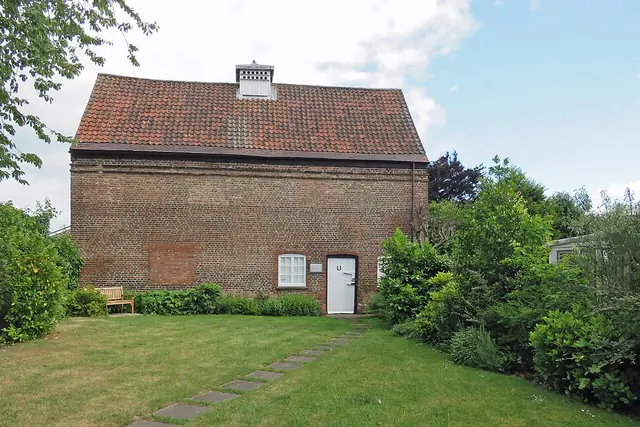
The University of Nottingham Museum is the university's museum of archaeology. It holds a collection of mainly regional archaeology covering a period of about 250,000 years, with artefacts from Nottinghamshire, Derbyshire, Lincolnshire and Leicestershire. There are also smaller collections from Italy, Greece, Cyprus and Egypt. A particular strength of the collection is the picture it gives of everyday life over this long span of time.
The museum stands on University Park campus at Lakeside Arts, between the Djanogly Gallery and the Djanogly Recital Hall. It is managed by a Museum Keeper and works with university, community, regional, national and international partners on its learning and public programme and on its exhibitions, which are based on current research.
Past exhibitions have included national touring shows such as one on the Vikings from the British Museum and York Museums Trust. The museum also runs lunchtime archaeology talks, ancient craft demonstrations and the Nottinghamshire History and Archaeology Festival, and it is the regional centre of the British Museum's Money and Medals Subject Specialist Network. It offers a heritage learning programme for schools and works with Creswell Crags on prehistory days.
Highlights
- Regional archaeology from the East Midlands spanning 250,000 years
- Smaller collections from Italy, Greece, Cyprus and Egypt
- Temporary exhibitions drawing on current archaeological research
- Free admission in a lakeside arts centre
- Founded
- 1979
- Operated by
- University of Nottingham
- Director
- Clare Pickersgill (Museum Keeper)
Admission & discounts
Admission is free.
Admission to the museum is free. Some talks and events in the exhibition programme are ticketed.
Accessibility
- Wheelchair accessible
- Elevator: no information
- Accessible restroom
- Accessible parking
- Service dogs welcome
- Tactile models & exhibits: no information
- Sign language tours: no information
- Easy-to-read materials: no information
- Audio description: no information
Lakeside Arts says its buildings and most of its spaces can be reached without lifts or ramps, and the museum has an accessible toilet. Accessible parking is on East Drive near the Djanogly Gallery, and the DH Lawrence Pavilion has six blue badge spaces. Assistance dogs are welcome in all areas. A Changing Places room is at the David Ross Sports Centre, 0.9 miles away across the campus.
Kids & families
- Baby changing facilities
Baby changing is available in the museum building, and the Lakeside cafes provide high chairs.
Getting there & parking
By public transit
University of Nottingham tram stop
The University of Nottingham tram stop on the NET line is right outside Lakeside Arts. Several Park and Ride sites in and around Nottingham connect to the tram.
By car
Free parking
Two free car parks next to the DH Lawrence Pavilion, which fill quickly at busy times. Paid parking is available elsewhere on University Park campus.
- Accessible parking
Enter University Park by the South Entrance via University Boulevard (A6005). The postcode NG7 2RD leads to the campus rather than directly to Lakeside Arts. The museum has its main entrance on East Drive near University Boulevard.
Get directionsAmenities & dining
- Café
- Museum shop
The Lakeside Arts site has the Gallery Cafe in the Djanogly Gallery building (Tuesday to Saturday 10am to 4pm, Sunday 12 noon to 4pm), the Pavilion Cafe in the DH Lawrence Pavilion, and the Lakeside Gallery Shop.
Events & venue rental
The museum hasn’t published any information on this.
Plan your visit
| School programs | yes |
|---|---|
| Good to know | A heritage learning programme for primary school classes is run with the Manuscripts and Special Collections department, but it is open only to schools from widening participation backgrounds. Creswell Crags leads prehistory discovery days at the museum on Monday to Wednesday by arrangement. |